
Coffee Knowledge
Latest articles, industry insights and brewing guides

Common Caffeine Allergy Symptoms and Overdose Risks
Learn the signs of caffeine allergy and overdose, including breathing issues, seizures, and life-threatening reactions. Know the safe dosage limit.
Why You Should Drink Good Coffee While It’s Hot
The ideal coffee drinking temperature is 85–88°C. Discover why hot coffee tastes better and when cooling can actually enhance it.
The One Brewing Method That Harms Your Health
Only one traditional coffee brewing method may harm your health — prolonged boiling extracts excess oils linked to cholesterol issues.
How Dark Roast Coffee Enhances Flavor for Cocktails
Dark roasted coffees like Mocha, Salvadoran, and Hawaiian develop bold, sweet aromas ideal for mixing. Find out which roasts bring out the richest flavors.

How Coffee Bean Freshness Changes Over Time
Learn when freshly roasted coffee beans reach peak flavor and how long they stay fresh. Discover the ideal resting period before brewing.
Can Drinking Coffee Protect Against Radiation Damage?
Research from India suggests regular coffee consumption may help protect against radiation, including everyday electronic exposure.
Healthy Coffee Drinking Rules for Specialty Coffee Lovers
Learn the key guidelines for safely enjoying specialty coffee, including recommended daily intake, brewing methods, and how roast level impacts your health.
How Central and Northern Europeans Drink Coffee
Discover how people in Central and Northern Europe enjoy coffee—moderate, methodical, and distinct from Mediterranean styles.
How to Taste Specialty Coffee Properly
Learn the ideal temperature, serving size, and sensory approach to tasting specialty coffee for the best flavor experience.
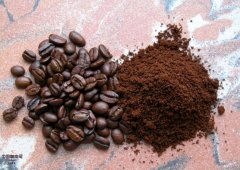
The Best Time to Grind Coffee for Freshness
Grind coffee right before brewing to preserve aroma and flavor. Pre-ground coffee loses freshness quickly due to oxidation.
How Polyphenol Coffee Helps Prevent Gout Recurrence
Learn how polyphenol coffee reduces gout flare-ups through three scientifically backed mechanisms: reducing external purine intake, limiting internal uric acid production, and preventing crystal formation.
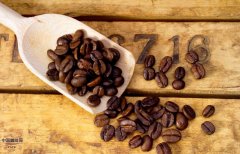
How to Identify High-Quality Specialty Coffee Beans
Learn how to assess specialty coffee beans by color, shape, and aroma. Spot freshness and avoid defects with these key visual and sensory checks.
Why Hot Coffee Tastes Better: The Temperature Factor
Sip your coffee hot—science says flavor drops fast as it cools. Learn how to preserve aroma and taste from first sip to last.
Who Should Avoid Specialty Coffee? 9 Health Conditions
Certain medical conditions make specialty coffee risky. Here are 9 health reasons some people should avoid or limit their intake.
How Much Coffee Is Too Much? Health Limits Explained
Health experts recommend no more than 2–3 cups of coffee daily. Exceeding that may raise risks for diabetes, cancer, and other conditions.
Skim Milk in Specialty Coffee for Energy Boost
A cup of coffee has 125–250mg caffeine—energy drinks up to 280mg. Skim milk coffee offers better, safer energy without unwanted stimulants.
The Five Biggest Mistakes When Drinking Specialty Coffee
Learn the five key coffee faux pas—from first sips to sugar choices—and how to taste specialty coffee the right way.
What Affects Espresso Quality in Specialty Coffee
Explore the key factors influencing espresso quality—machine settings, beans, water, and technique—and how they work together for better shots.
World’s Most Famous Specialty Coffee Beans Explained
Learn why Kopi Luwak, Jamaican Blue Mountain, and Cuban Cubita command premium prices — and whether they’re worth it.
Practical Uses for Coffee in Everyday Life
Discover multiple uses for coffee and coffee grounds around the home, from deodorizing to digestive aid.