
Coffee Bean
Latest articles, industry insights and brewing guides
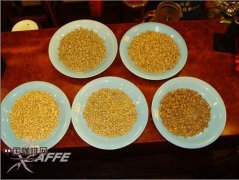
Comparison of five kinds of round beans from different countries
Coffee beans will change greatly due to the variety, origin, grade, baking method, brewing method, as well as people's taste sensitivity and taste preferences. Brother Bird's cup test view is limited to his own coffee beans and brewing method. The description of flavor is as objective and stylized as possible so that coffee lovers can understand coffee more easily.
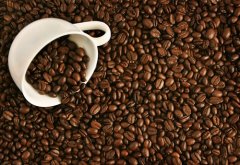
Teach you how to choose coffee beans
No matter what kind of coffee beans, freshness is an important factor affecting the quality.

Classification and taste of coffee beans
In a broad sense, there are two kinds of coffee beans in the world, Arabica beans and Robosta beans.

Coffee's Golden Rule
The difference in coffee quality can be felt in just a sip. So how can we tell if a cup of coffee is good or bad?
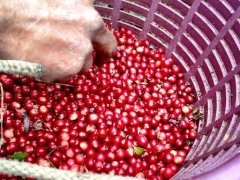
Looking forward to Tarion Mocha
El Injerto farm in Guatemala won the first place at the 2012 auction of raw coffee beans. A sky-high price of $1103.4 per kilogram of coffee raw beans: pan Tarion-Mocha
IMPRESS Coffee Cup
Espro Press is just an improved espresso maker, and it's just an appliance for making coffee.
Hawaiian Coffee and Kona Coffee
Hawaii is the only state in the United States that grows coffee beans.
Ethiopian coffee
Ethiopia is the hometown of Arabica coffee, and it is in the forests of Kaffa that you can see wild Arabica coffee. In Ethiopian, coffee is called "Bun" or "Buna". Coffee beans (coffee bean) may be translated from "Kaffa Bun". Arabica coffee was discovered early in the Harald area.
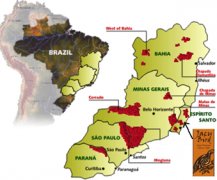
The rarest coffee in the world: Brazilian bird shit coffee
In the 1960s and 1970s, when the Camocim farm in Brazil was still under the name of the old gentleman Sr. Olivar Fontenelle de Ara ú jo, he thought of various ways, such as introducing exotic tree species such as slash pine and eucalyptus (Pinnus Elliottii and Eucalyptus), planting orchid couplets of the family Lageraceae, building small reservoirs, and so on, to protect the farm forest.
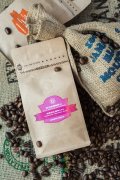
Coffee Bean-Tanzania #8226; Lub AAA
Tanzania Lub AAA Coffee Bean-Tanzania Lub AAA, volcanic soil creates its ripe and full fruit and unique aroma, soft and refreshing fruit acid, rich taste but not strong. It's obvious. AAA here is a grade of coffee, and only super good coffee beans can win this honor.
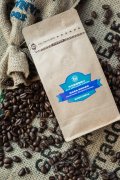
Coffee Bean-Guatemala Vivitenango
Guatemala Vivienne Guatemala Vivienne, coffee flavor is typical of very hard beans, lively and bright fruit acid flavor, light grapefruit acid aroma, berry aroma and body can be called the crown of Guatemala coffee. Vivitenango is located in the most remote northwest highlands of Guatemala. It is the driest climate and highest coffee area in Guatemala. It is located in the Tiwantepe Plain of Mexico.
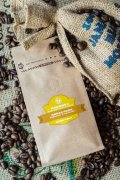
Coffee beans-Yega Xuefei, Ethiopia
Yega Chuefei, Ethiopia. Yirgacheffe of Ethiopia is also translated as Yega Xuefe. As the hometown of coffee, thousands of years of planting history and processing tradition in Ethiopia have created high-quality Arabica beans. Ethiopia Yega Xuefei is an ancient producing area from Ethiopia, water-washed coffee, beans are small, this coffee is overwhelming
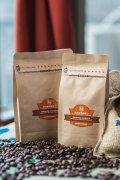
Coffee beans-Harald Mocha, Ethiopia
Ethiopia Harald mocha Ethiopia Harald mocha (Harrar), an ancient coffee variety from the African plateau, exudes a rugged and strong wild flavor, the mellow thickness of Harrar coffee is obvious, and there is a sweet taste of black sugar and soil-based nutmeg aroma.
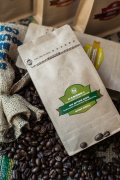
Coffee beans-Mantenin, Sumatra, Indonesia
The history of coffee cultivation in Sumatra began in the 18th century and was first introduced to the northern part of Sumatra, which has Lake dopa, Sumatra's largest freshwater lake, which is still the main producer of Sumatran coffee.
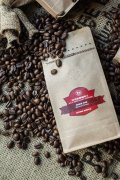
Coffee beans-Kona, Hawaii
Time selection-Hawaiian Kona, Hawaii, the fertile volcanic soil gives Hawaii Kona a rich palate, perfect balance and unique sweetness, soft, mellow, medium mellow, full of fruit acidity and a rich aroma with a long finish.
Start with the green beans.
Roasting coffee is an exciting thing.
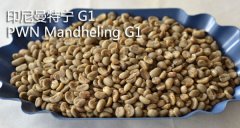
Manning
Mandenin is not the name of the producing area, the place name, the port name, nor the name of the coffee breed. The origin of its name is actually a phonetic error of the Mandaining mandheling people in Indonesia.
Roasting knowledge of coffee beans
The average chemical composition of raw coffee beans is as follows:
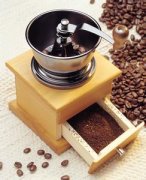
How can you keep your favorite beans?
The storage of coffee beans has a direct impact on the quality of coffee beans, especially for coffee beginners, how to keep your favorite beans, here are some ways to keep coffee beans.
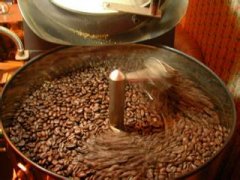
I'll introduce you to sour coffee.
Do you feel that although this cup of coffee is sour, it is not unpleasant sour, but interesting, but different from the unbearable sour taste of another cup?