
Specialty Coffee Beans
Latest articles, industry insights and brewing guides
What Makes Jamaican Blue Mountain Coffee So Special?
Only coffee grown at 3,000–5,000 feet in Jamaica’s official Blue Mountain region and processed under strict regulations can be called true Blue Mountain Coffee.

When Did Yunnan’s First Coffee Arrive in Ruili? The 1893 Evidence
Historical records and eyewitness accounts trace Yunnan’s earliest coffee planting not to 1914—but possibly as early as 1893, via the Jingpo people of Ruili’s Nongxian village.
How Chinese Research Institutes Helped Build the Yunnan Coffee Industry
Learn how China’s agricultural research institutes developed disease-resistant varieties and processing tech that made Yunnan coffee a global contender.

What Makes Jamaican Blue Mountain Coffee So Special?
Learn why Jamaican Blue Mountain coffee is rare, expensive, and uniquely balanced—with details on its strict production, climate, and export limits.

Indonesian Mandheling Coffee: Flavor, History & Processing
Discover the bold, earthy flavors of Mandheling coffee from Sumatra, including its unique wet-hulled processing and the prized PWN Golden Mandheling.
Yunnan Arabica Coffee: Growing Conditions & Brewing Guide
Learn how Yunnan’s unique climate shapes its mild, fruity Arabica coffee, and how to brew it using a siphon (vacuum) pot for best results.
How Did Coffee Names Like Blue Mountain and Mocha Originate?
Find out why coffees are named after places like Jamaica or Kenya, and how grading systems define their quality and origin.

Main Coffee Bean Varieties: Arabica vs Robusta
Two main coffee species dominate global production: Arabica and Robusta. Discover their key differences in taste, growing conditions, and caffeine levels.

What Is Ethiopian Mocha Coffee? Flavor & Roast Profile
Explore Ethiopia’s historic Mocha coffee: known for sweet fruitiness, mild acidity, and hints of chocolate. City roast profile and unique growing heritage explained.
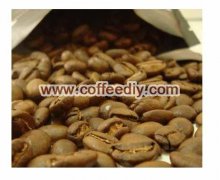
What Is Mandheling Coffee and Where Does Golden Mandheling Come From?
Golden Mandheling isn’t a region—it’s a processed coffee from Sumatra. Learn how it evolved from Mandheling, why it’s called 'golden', and how it differs in taste.

Siphon vs Drip: Which Makes Better Mandheling Coffee?
A clear comparison shows siphon brewing enhances Mandheling’s bold body and spice notes, while drip highlights clarity. Optimal results come at 88°C with a 1:10 ratio.

What Is Mamba Coffee? A 50/50 Brazilian-Mandheling Blend
Mamba coffee is a balanced 50/50 blend of Brazilian and Indonesian Mandheling beans, known for its smooth, nutty profile with chocolatey sweetness.
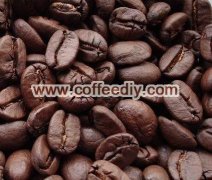
What Is Jamaica Blue Mountain Coffee?
Learn what makes Jamaica Blue Mountain coffee rare, expensive, and uniquely balanced—with details on its grades, production, and true flavor profile.

How Blue Mountain Coffee Is Graded
Blue Mountain coffee is graded by altitude and bean size into three official grades. Learn what sets Jamaica Blue Mountain No.1 apart.
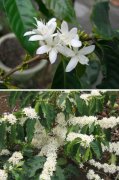
How Chinese Academy of Sciences Boosted Yunnan Coffee
Learn how CAS and local efforts turned Yunnan into a global coffee hub, with 3 patented farming methods and $370/kg auction prices.
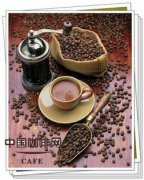
What Is the Traditional Arabica Coffee Variety?
Learn why Coffea arabica is the original 'Arab coffee' and how its major subvarieties, like Typica and Bourbon, shaped global coffee.

Arabica vs Robusta: The Two Main Coffee Species
Most commercial coffee comes from either Arabica or Robusta beans. Here’s how they differ in flavor, caffeine, growing conditions and common uses.

Geisha Coffee Fruit Has the Highest Caffeine Concentration
The dried fruit of the Geisha coffee cherry—tested firsthand—contains far more caffeine than espresso or cold brew. One small dose caused rapid heartbeat and dizziness.

What Makes Jamaican Blue Mountain Coffee So Special?
Only coffee grown above 1,800m in Jamaica’s Blue Mountains can be called Blue Mountain Coffee. Learn what sets it apart.

What Is Kopi Luwak Coffee and How Is It Made?
Kopi Luwak is a rare Indonesian coffee fermented in civet cats’ digestive tracts. Learn how it’s produced, why it tastes unique, and why it’s so scarce.