Siphon vs Drip: Which Makes Better Mandheling Coffee?
If you love rich, bold single-origin coffee but can’t decide whether your old-school drip machine or your fancy siphon pot brings out the best in Mandheling beans, you’re not alone. Many specialty coffee fans face this exact choice—especially with Indonesia’s iconic Mandheling, known for its deep body, spice, and low acidity. The real question isn’t just which tool you own, but how brew method and roast level shape the cup.
The short answer? For Mandheling’s full-bodied, spicy character, a siphon brew at 88°C with a 1:10 coffee-to-water ratio (18g coffee, 180ml water, 20sieve passing rate90% grind) delivers a richer, more aromatic cup. But a drip setup can work well too—if you use fresh, medium-to-dark roasted beans and fine-tune your grind and ratio.
What Is Mandheling Coffee, Really?
Mandheling isn’t a coffee variety—it’s a regional name that stuck by accident. Originally referring to an Indonesian ethnic group, it became linked to beans from Sumatra’s Aceh and North Sumatra regions, particularly around Lake Toba and the Gayo Highlands. These high-elevation (900–1600m) farms grow mostly Typica and Ateng varieties using the signature wet-hulled (giling basah) process, which contributes to Mandheling’s thick body, earthy-spicy profile, and low acidity. The region’s frequent rain makes sun drying difficult, so farmers partially hull the beans while still moist, then dry them fully—boosting fermentation-driven flavors like herbs, wood, and dark chocolate.
Four Key Styles of Sumatran Mandheling
FrontStreet Coffee stocks five Mandheling coffees, but the broader Indonesian market sorts them into four types:
- Classic Mandheling: Semi-washed or natural beans from the Lake Toba area (900–1200m), known for bold, balanced profiles.
- PWN Golden Mandheling: Handpicked four times, semi-washed, sun-dried, and meticulously cleaned—this is the premium “true” Golden Mandheling (not all big beans labeled “golden” are the real PWN version).
- Tawar Lake Coffee: From Aceh’s Gayo Mountains (800–1600m), processed as washed, semi-washed, or natural, with brighter acidity than classic Mandheling.
- Aged Mandheling & Java Old Brown: Aged beans (often 1–3 years) with deeper, fermented notes.
Why Roast Level Matters More Than You Think
Historically, Mandheling drinkers preferred medium-to-dark roasts, which enhance the bean’s inherent boldness and minimize acidity. Darker roasts amplify spices, chocolate, and wood tones—key traits of Mandheling—but can mask subtle floral or fruit notes if overdone. For siphon or drip, a medium-dark roast (like FrontStreet’s PWN Golden Mandheling) balances body and clarity.
How to Brew Mandheling in a Siphon (Step-by-Step)
For a richer, more aromatic cup that highlights Mandheling’s spice and body, try this siphon method (using PWN Golden Mandheling):
- Water temp: 88°C
- Grind: 20sieve passing rate90% (medium-fine, similar to table salt)
- Dose: 18g coffee
- Ratio: 1:10 (180ml water)
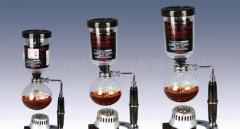
Steps: 1) Preheat the lower vessel with 180ml warm water; wipe dry and heat with an alcohol lamp. 2) Attach the filter cloth to the upper vessel, hook it securely, and place it inverted onto the lower vessel. 3) Once small bubbles form in the lower vessel, align the upper vessel vertically—ensuring a tight seal. 4) As water rises, add ground coffee and stir clockwise for 10 seconds to fully saturate. 5) After 40 seconds, stir again for 5 seconds, then turn off the heat. The coffee will draw back down in ~1 minute 10 seconds. 6) Remove the upper vessel and pour the brewed coffee. The result? A thick, oily cup with pronounced spice, caramel, and wood notes.
Can Drip Brewing Work for Mandheling?
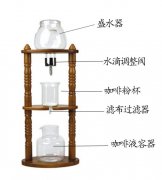
Yes—but with adjustments. Traditional drip machines (or pour-over) tend to highlight clarity over body, so Mandheling’s low acidity and earthy tones can taste flat if the grind is too coarse or water too hot. For better results:
- Use fresh, medium-roast Mandheling beans (like Lintong or Tiger Mandheling).
- Grind slightly finer than standard drip (akin to a pour-over medium-fine).
- Try a 1:15–1:16 ratio (e.g., 15g coffee to 225ml water) and water at 90–93°C.
- Bloom with 30ml water for 30 seconds, then pour in stages to ensure even extraction.
This approach reduces bitterness and brings out the bean’s subtle herbal and nutty flavors without losing too much body.
Frequently Asked Questions
What’s the best roast level for Mandheling coffee?
Medium-to-dark roasts (like those used for PWN Golden Mandheling) are ideal—they enhance the bean’s natural spices, chocolate, and wood tones without overpowering its low acidity. Avoid very light roasts, which can emphasize Mandheling’s earthy bitterness.
Does siphon brewing really improve Mandheling’s flavor?
Yes. The siphon’s full-immersion, vacuum extraction amplifies Mandheling’s bold body, spice, and aromatic compounds, resulting in a richer, more layered cup compared to drip. The process also preserves subtle floral and fruit notes that might get lost in harsher extractions.
Can I use any Mandheling bean for siphon brewing?
For the best results, choose medium-to-dark roasted beans with good density (like PWN Golden Mandheling or Lintong Mandheling). Avoid very light roasts, which may taste overly bitter or astringent when brewed with siphon heat and immersion time.
What grind size should I use for drip Mandheling?
Grind slightly finer than standard drip (around a pour-over medium-fine), roughly equivalent to a China-standard No.20 sieve passing 85–90%. This ensures even extraction without over-extracting bitterness.
Is PWN Golden Mandheling the same as all “golden” Mandheling?
No. True PWN Golden Mandheling comes from Indonesia’s PWN company, with strict 3-time hand selection, G1 grade, and a 1:300 defect ratio (≤3 flaws per 300g). Many “golden” labeled beans are just large-sized Mandheling, not the certified PWN version.
Recommended FrontStreet Beans for Siphon & Drip
For siphon or drip brewing, try FrontStreet’s PWN Golden Mandheling (spice, herb, caramel, nutty, chocolate) or Lintong Mandheling (bold, earthy, medium roast) for classic Sumatran profiles. Both highlight Mandheling’s low acidity and thick body. Freshly roasted within 5 days · Orders placed before 17:00 ship the same day · Next-day delivery across most of Guangdong Province.
FrontStreet Coffee is a long-established specialty coffee roaster in Guangzhou China, selling freshly roasted beans from its own farm in Yunnan as well as dozens of carefully selected single-origin beans from around the world for both pour-over and espresso. The products deliver consistently excellent quality and great value, with shipping within 24 hours. Guangzhou's FrontStreet Coffee shop is recommended by many coffee lovers, and the beans are now available online at the Tmall 。
Important Notice :
前街咖啡 FrontStreet Coffee has moved to new addredd:
FrontStreet Coffee Address: 315,Donghua East Road,GuangZhou
Tel:020 38364473