
"Tall"
3536 article(s) found

Boutique Coffee Variety introduction Rosa (Geisha)
Rosa originated from a very rare wild species in Ethiopia, and the beans may be named after this coffee bean found near the local village called Rosa. The coffee tree is tall, its leaves are slender, and it is not afraid of coffee rust. It is characterized by a wide gap between branches on the trunk. The appearance of raw beans is slender, and ripe beans have strong and rich fruit aromas. I personally feel full-bodied.
Boutique Coffee introduction Maui Moka (Maui Mokka)
There are two sources of Maui Mokka coffee varieties: one is the sudden mutation of the bourbon variety from the old bourbon island, and the other is the mocha variety transplanted in Yemen. The coffee tree is not tall, the leaves are small and slender, and the raw beans are small and orchard; it is easy to get rust spot and the yield is very low. Except for Maui, Hawaii, there is a small amount of cultivation in Brazil, although it is grown at a lower altitude.
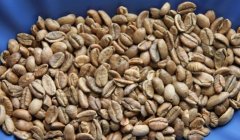
China Hainan Coffee Beans Librika Coffee Beans
Coffee beans: large shrubs or small trees, 6-15 m tall; bark dark brown; branches spreading, hard and straight. Leaves opposite, leathery, elliptic or obovate-elliptic, 15-30 cm long, apex mucronate, base broadly cuneate, margin entire, rarely wavy, often with pits in lower vein axils; petiole 8-20 mm long; stipules broadly triangular, 3-4 mm long, apex obtuse, rarely convex

Boutique Coffee varieties about Pakamara (Pacamara)
Pacamara coffee is a hybrid of Pacas Pacas (a sudden variant of the bourbon species) and giant bean Maragogype (a sudden variant of the Tibica species found in Brazil) found in El Salvador in the 1950s. The coffee tree is very tall, the branch spacing of the trunk is wider than that of Pacas Pacas, and the edge of dark green leaves is wavy. It is suitable for cultivation at the elevation of 900m to 1500m.
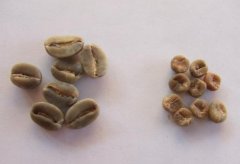
Introduction of boutique coffee Maui mocha coffee
There are two sources of Maui Mokka coffee varieties: one is the sudden mutation of the bourbon variety from the old bourbon island, and the other is the mocha variety transplanted in Yemen. The coffee tree is not tall, the leaves are small and slender, and the raw beans are small and orchard; it is easy to get rust spot and the yield is very low. Except for Maui, Hawaii, there is a small amount of cultivation in Brazil, although it is grown at a lower altitude.
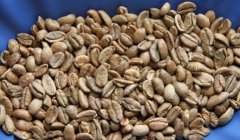
Chinese coffee Hainan Liberica coffee beans
Liberica coffee beans: large shrubs or small trees, 6-15 m tall; dark brown bark; branches spreading, hard and straight. Leaves opposite, leathery, elliptic or Obovate-elliptic, 15-30 cm long, tip mucronate, base broadly cuneate, margin entire, rarely microwave, often with small pores in lower vein axils; petiole 8-20 mm long; stipules broadly triangular, 3-4 mm long, tip obtuse, rarely convex

Introduction of boutique coffee varieties Pacamara (Pacamara)
Pacamara coffee is a hybrid of Pacas Pacas (a sudden variant of the bourbon species) and giant bean Maragogype (a sudden variant of the Tibica species found in Brazil) found in El Salvador in the 1950s. The coffee tree is very tall, the branch spacing of the trunk is wider than that of Pacas Pacas, and the edge of dark green leaves is wavy. It is suitable for cultivation at the elevation of 900m to 1500m.
Boutique coffee beans recommend Hawaiian Rosa coffee beans
Rosa originated from a very rare wild species in Ethiopia, and the beans may be named after this coffee bean found near the local village called Rosa. The coffee tree is tall, its leaves are slender, and it is not afraid of coffee rust. It is characterized by a wide gap between branches on the trunk. The appearance of raw beans is slender, and ripe beans have strong and rich fruit aromas. I personally feel full-bodied.
Basic knowledge of boutique coffee Pacamara coffee
Pacamara coffee is a hybrid of Pacas Pacas (a sudden variant of the bourbon species) and giant bean Maragogype (a sudden variant of the Tibica species found in Brazil) found in El Salvador in the 1950s. The coffee tree is very tall, the branch spacing of the trunk is wider than that of Pacas Pacas, and the edge of dark green leaves is wavy. It is suitable for cultivation at the elevation of 900m to 1500m.
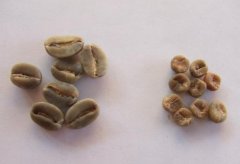
Introduction of boutique coffee beans and coffee varieties Maui Moka
There are two sources of Maui Mokka coffee varieties: one is the sudden mutation of the bourbon variety from the old bourbon island, and the other is the mocha variety transplanted in Yemen. The coffee tree is not tall, the leaves are small and slender, and the raw beans are small and orchard; it is easy to get rust spot and the yield is very low. Except for Maui, Hawaii, there is a small amount of cultivation in Brazil, although it is grown at a lower altitude.

China Hainan boutique coffee beans Liberica coffee beans
Liberica coffee beans: large shrubs or small trees, 6-15 m tall; dark brown bark; branches spreading, hard and straight. Leaves opposite, leathery, elliptic or Obovate-elliptic, 15-30 cm long, tip mucronate, base broadly cuneate, margin entire, rarely microwave, often with small pores in lower vein axils; petiole 8-20 mm long; stipules broadly triangular, 3-4 mm long, tip obtuse, rarely convex
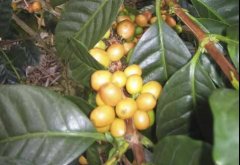
Classification of coffee varieties of coffee beans Pacamara (Pacamara)
Pacamara coffee is a hybrid of Pacas Pacas (a sudden variant of the bourbon species) and giant bean Maragogype (a sudden variant of the Tibica species found in Brazil) found in El Salvador in the 1950s. The coffee tree is very tall, the branch spacing of the trunk is wider than that of Pacas Pacas, and the edge of dark green leaves is wavy. It is suitable for cultivation at the elevation of 900m to 1500m.

Basic knowledge of boutique coffee beans Rosa coffee beans
Rosa originated from a very rare wild species in Ethiopia, and the beans may be named after this coffee bean found near the local village called Rosa. The coffee tree is tall, its leaves are slender, and it is not afraid of coffee rust. It is characterized by a wide gap between branches on the trunk. The appearance of raw beans is slender, and ripe beans have strong and rich fruit aromas. I personally feel full-bodied.

Coffee latte coffee and milk classic match
Coffee latte is Italian milk coffee. A good latte is a cup of espresso poured into hot milk and covered with foam. Generally put ingredients in tall glasses 150CC milk coffee beans according to personal preference add the right amount of sugar 160ml glass ready to heat 3 bank 4 glasses of milk (unlike the process of foaming, milk should at least be combined with air) move the cup to

Ethiopian coffee beans rose summer coffee beans
Rosa originated from a very rare wild species in Ethiopia, and the beans may be named after this coffee bean found near the local village called Rosa. The coffee tree is tall, its leaves are slender, and it is not afraid of coffee rust. It is characterized by a wide gap between branches on the trunk. The appearance of raw beans is slender, and ripe beans have strong and rich fruit aromas. I personally feel full-bodied.

Boutique coffee beans basic Rosa coffee beans
Rosa originated from a very rare wild species in Ethiopia, and the beans may be named after this coffee bean found near the local village called Rosa. The coffee tree is tall, its leaves are slender, and it is not afraid of coffee rust. It is characterized by a wide gap between branches on the trunk. The appearance of raw beans is slender, and ripe beans have strong and rich fruit aromas. I personally feel full-bodied.
Coffee beans, coffee beans, coffee beans
Pakamara coffee is a hybrid of Pacas(a sudden variant of the Bourbon species) found in Salvador in the 1950s and Maragogype(a sudden variant of the Tibica species found in Brazil). Coffee trees are tall, with branches wider apart than Pacas, dark green leaves with wavy edges, suitable for cultivation at elevations of 900 - 1500 m,

Coffee latte Italian coffee fancy coffee making steps
Coffee latte is Italian milk coffee. A good latte is a cup of espresso poured into hot milk and covered with foam. Generally put ingredients in tall glasses 150CC milk coffee beans according to personal preference add the right amount of sugar 160ml glass ready to heat 3 bank 4 glasses of milk (unlike the process of foaming, milk should at least be combined with air) move the cup to

Introduction to Librika Coffee beans
Liberica coffee beans: large shrubs or small trees, 6-15 m tall; dark brown bark; branches spreading, hard and straight. Leaves opposite, leathery, elliptic or Obovate-elliptic, 15-30 cm long, tip mucronate, base broadly cuneate, margin entire, rarely microwave, often with small pores in lower vein axils; petiole 8-20 mm long; stipules broadly triangular, 3-4 mm long, tip obtuse, rarely convex

Introduction of Coffee varieties III: Maui Moka (English name: Mau)
There are two sources: one is the sudden mutation of the bourbon variety from the old island of bourbon, and the other is the mocha variety transplanted in Yemen. The coffee tree is not tall, the leaves are small and slender, and the raw beans are small and orchard; it is easy to get rust spot and the yield is very low. With the exception of Maui, Hawaii, there is a small amount of cultivation in Brazil, which is planted at a lower altitude but still has a strong taste. The following figure