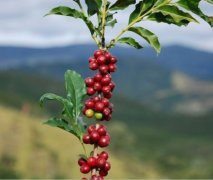
What Is Pacamara Coffee? The Big-Bean Specialty Origin
If you’ve ever cupped a coffee with an unusually bold body, deep sweetness, and complex fruit or floral tones—and you were told it came from a ‘big-bean’ variety—you might have been drinking Pacamara. But what exactly is this coffee, and why does it turn up in microlots from Central America?
Pacamara is a deliberate hybrid of two mutated coffee varieties: Pacas (a natural Bourbon mutation) and Maragogype (a huge-beaned Typica offshoot). It was first developed in El Salvador during the 1950s to combine vigour, cup quality, and larger bean size. The result is a tall-growing coffee tree suited to high-altitude regions and known for producing distinctive, often standout single-origin lots.
What Is Pacamara Coffee?
Pacamara is a hybrid coffee cultivar created by crossing Pacas—a mutation of Bourbon—with Maragogype, itself a spontaneous mutation of Typica first found in Brazil. This cross results in a coffee plant with some very specific traits: it grows tall, has wide branch spacing along the trunk, and features dark green leaves with wavy edges. Most importantly, it produces notably large coffee beans, a hallmark of the Maragogype lineage.
Where Is Pacamara Grown?
Pacamara thrives at elevations between 900 and 1500 metres above sea level. The higher the plantation, the better the cup quality tends to be—higher altitudes slow down cherry development, leading to greater sugar accumulation and more complex flavours. Though it originated in El Salvador, Pacamara is also cultivated in neighbouring countries including Honduras and Nicaragua. Some rare phenotypes even express a yellow fruit colouration instead of the more common red.

Why Grow Pacamara?
Growers select Pacamara for several reasons. Its large bean size can be visually striking and is often associated with higher cup complexity. The plant’s height and branch structure suit certain farm layouts, and its potential for high-quality flavour profiles—especially in high-altitude conditions—makes it appealing for specialty-focused farms. However, Pacamara trees produce relatively low yields, which limits how widely it is planted compared to more productive varieties. That scarcity often adds to its appeal among roasters seeking unique microlot coffees.
Flavour Profile & Growing Impact
While flavour can vary based on processing and terroir, Pacamara coffees are often noted for their big body, bright acidity, and complex notes that may include tropical fruit, floral tones, chocolate, and spices. The large bean size itself doesn’t directly cause these qualities, but the genetic background and typical high-altitude cultivation both contribute to a cup that stands out in single-origin offerings.
Frequently Asked Questions
What is Pacamara coffee?
Pacamara is a hybrid coffee variety created in El Salvador during the 1950s by crossing Pacas (a Bourbon mutation) with Maragogype (a Typica mutation). It is valued for its large beans and complex cup profile, often featuring fruity, floral, and sweet notes.
Where is Pacamara coffee grown?
Pacamara is primarily grown in El Salvador, but also in Honduras and Nicaragua. It thrives at elevations between 900 and 1500 metres, with higher altitudes generally producing better cup quality.
What does Pacamara coffee taste like?
Pacamara coffees often have a big body, bright acidity, and complex flavours that may include tropical fruits, florals, chocolate, and spices. Flavour varies with processing and terroir, but the variety is known for its distinctive cup character.
Why are Pacamara beans so big?
Pacamara beans are large because they inherit the giant-bean trait from their Maragogype parent. This mutation results in visibly bigger seeds, which are often associated with enhanced cup complexity in well-grown lots.
Is Pacamara coffee rare?
Yes, Pacamara is considered relatively rare because the trees yield less coffee per plant compared to more common commercial varieties. This lower productivity limits how widely it is cultivated, making it more of a specialty coffee offering.
Does Pacamara come in different colours?
Yes, while most Pacamara coffee cherries are red, there are rare yellow-fruited phenotypes. These yellow Pacamara beans are the same variety but express different pigmentation in the fruit.
FrontStreet Single Origins from High-Elevation Central America
For a taste of what makes Pacamara special, try FrontStreet Coffee’s single-origin offerings from Central America. Our El Salvador Santa Ana Natural features bright citrus, brown sugar, and a juicy body—traits often seen in well-grown high-altitude lots. The Honduras Finca Los Lajones Washed offers notes of apple, honey, and a crisp acidity, showcasing the complexity possible in the region. Both highlight the kind of clarity and balance that Pacamara brings to the cup. Freshly roasted within 5 days · Orders placed before 17:00 ship the same day · Next-day delivery across most of Guangdong Province.
FrontStreet Coffee is a long-established specialty coffee roaster in Guangzhou China, selling freshly roasted beans from its own farm in Yunnan as well as dozens of carefully selected single-origin beans from around the world for both pour-over and espresso. The products deliver consistently excellent quality and great value, with shipping within 24 hours. Guangzhou's FrontStreet Coffee shop is recommended by many coffee lovers, and the beans are now available online at the Tmall 。
Important Notice :
前街咖啡 FrontStreet Coffee has moved to new addredd:
FrontStreet Coffee Address: 315,Donghua East Road,GuangZhou
Tel:020 38364473