
"Tropics"
2088 article(s) found

Coffee bean production reduced coffee production in the Philippines in 2014
According to a report in the Business Mirror on February 4, the output of Robusta coffee in the Philippines in 2014 was 7.56t, down 4.06% from the same period last year, and the export of 12000 bags (60kg / bag) doubled from the same period last year. Robusta coffee has high yield, strong resistance to insects and diseases, and is widely planted in the Philippines, accounting for more than 70% of the total output of the Philippines. The Philippines is located in the tropics and the soil is volcanic rock soil.
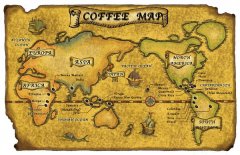
The History and spread of Coffee Coffee Tree Arab Fine Coffee Beverage
The coffee tree species (arabica species) originated from the Abyssinia Plateau in Africa, which is now the Ethiopian Plateau. Formerly famous for its gold mines, Abyssinia was occupied by Yemen in the Middle East in the 6th century, so the cultivation of coffee spread from Yemen to other parts of the tropics. Coffee was drunk as a drink thanks to the Arab hands, and coffee was cultivated in Yemen in the 15th and 16th centuries.

The largest coffee producer
Coffee grows in the tropics and subtropics, at an angle of 15 degrees on the equatorial line. At present, the country with the largest coffee production in the world is Brazil, the second largest coffee producer, the second Vietnam (more Robusta species) and the third Colombia (the best quality and unique natural environment makes most of the coffee washed in Arabica).
Why do Kenyan Coffee use Elephant
Kenya is located on the equator on the Indian Ocean coast of east-central Africa, to the south of Ethiopia. There are many elephants in the tropics, and such packaging images can bring you the feeling of entering Kenya. Kenyan coffee tastes so unique that there is almost no similar coffee. Kenyan coffee is characterized by a distinctive fruity aroma. Try to find this flavor in the coffee and pay attention to how it feels in the mouth. Among them

Where is the best place to grow coffee in the coffee growing area?
The coffee belt (coffee production zone) ranges from 25 degrees north latitude to 30 degrees south latitude, including many countries in Central, West Africa, the Middle East and South Asia, the Pacific, Latin America and the Caribbean. The reason why coffee cultivation is concentrated in this area is due to the limitation of temperature. Coffee trees are very vulnerable to frost, neither the north nor the south latitude is suitable, but only in the tropics.
The birthplace of coffee-Arabica coffee beans in Ethiopia
Ethiopia is the cradle of mankind and Arabica. Although Ethiopia is located in the tropics, it has a higher altitude, cooler climate than African countries, abundant water resources, abundant species, flowers in full bloom, and has the microclimate needed for boutique coffee! Ethiopia is divided into east and west half walls by the East African Rift Valley, each evolving! The producing areas west of the Great Rift Valley include Zige and Jin of Lake Tana.
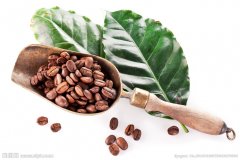
Boutique coffee Honduras San Juan Xido bourbon species
San Juan Ciudo is a small village in central Honduras, 40 kilometers northeast of Tegucigalpa, the capital of Honduras. The town is under the jurisdiction of Francisco Morazn. In addition, Francisco Morazn has jurisdiction over Nuevo Rosario, Guacamaya and Plan Grande, with a total population of about 1400. Although San Juan Theodore is famous for its mineral deposits in history,
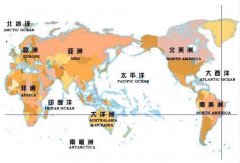
Boutique coffee what is the main producing country of boutique coffee
Major coffee producing countries: coffee production zones generally range from 25 degrees north to 30 degrees south, covering most countries in Central Africa, East Africa, the Middle East, India, South Asia, the Pacific, Latin America and the Caribbean. The reason why coffee is mainly concentrated in this area is that coffee is very vulnerable to frost, and the temperature and humidity are most suitable for coffee in the tropics.
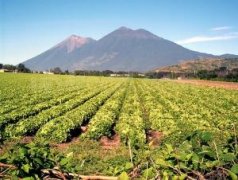
The effect of altitude on the Flavor and quality of Coffee beans
Coffee beans are generally graded according to their size, defect rate and altitude. The size and defect rate of raw beans are easy to understand, but many people don't quite understand. Why do some producing areas use the altitude of coffee beans as the basis for classification, and many coffee sellers also sell their coffee at high prices because of their high altitude coffee? why? First of all, we should realize that the geographical location of coffee beans

Introduction of Ethiopian mocha coffee introduction of Ethiopian coffee flavor
Professional coffee knowledge exchange more coffee bean information please follow the coffee workshop (Wechat official account cafe_style) Ethiopia coffee is all Arabica species, Arabica coffee is originally native to Ethiopia, Ethiopia's climate changes due to different elevations, the forest part belongs to the tropics and forests, there is a suitable climate and soil for cultivated coffee, so it is called Abby.

Mixed baking of different varieties of coffee beans
Eight different varieties of coffee beans are mixed and roasted. The roasting temperature of coffee beans is generally controlled at 200 Murray 220 degrees Celsius, and the baking time is about 10 Murray 15 minutes. Roasted coffee beans should be kept in airtight containers. If kept in the air for a long time, coffee beans will lose their original aroma and taste. As we all know, coffee grows only in the tropics; that is, in the Tropic of Cancer.

Introduction to the characteristics of Guatemala Antigua Coffee Flavor Manor
Guatemala is located in the tropics, the northern and eastern coastal plains have a tropical rain forest climate, the southern mountains have a subtropical climate, the year is divided into two dry and wet seasons, with the wet season from May to October and the dry season from November to April of the following year. The narrow and fertile flatlands on the Pacific side of Guatemala have a tropical climate. The central plateau is also the cultural center of Guatemala, where the year-round temperature ranges from 1300 to 1800 meters.

Coffee flavor the main distribution of coffee in the world the growth requirements of coffee
Professional coffee knowledge exchange more coffee bean information please follow the coffee workshop (Wechat official account cafe_style) the flavor characteristics of fine coffee beans in Africa, America and Asia Coffee trees are only suitable for growing in the tropics or subtropics, so the zone between 25 degrees north and south latitudes is the most suitable for growing coffee. This coffee production zone is generally called a coffee belt or coffee area. The coffee tree is the most

Introduction to the characteristics of Guatemala Antigua Coffee Flavor Manor with Fine sour taste
Guatemala is located in the tropics, the northern and eastern coastal plains have a tropical rain forest climate, the southern mountains have a subtropical climate, the year is divided into two dry and wet seasons, with the wet season from May to October and the dry season from November to April of the following year. The narrow and fertile flatlands on the Pacific side of Guatemala have a tropical climate. The central plateau is also the cultural center of Guatemala, where the year-round temperature ranges from 1300 to 1800 meters.
History of Coffee planting in the World
Coffee production in China has experienced a tortuous course of development. From the 1950s to the early 1960s, coffee production had a peak period. In 1960, the planting area of the whole country reached 130000 mu, with an annual output of more than 300t.
Coffee knowledge Coffee growing Zone
Coffee grows in the tropics between the Tropic of Cancer and the Tropic of Cancer, with sufficient precipitation and an average annual temperature of 21 ℃ without frost. The suitable altitude for coffee growth is from sea level to 1500m. It takes five years for coffee trees to begin to bear fruit, and it is by no means easy to grow coffee trees during the production period of about 15 years. Soil temperature is a key condition, and the suitable temperature is about 27.7 ℃.
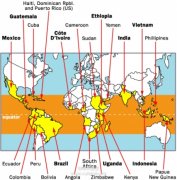
Coffee fundamentals Coffee with Coffee Zone
There are more than 60 coffee producing countries in the world, most of which are located in the tropics and subtropics between the Tropic of Cancer (latitude 2326). This coffee growing area is called coffee belt (Coffee Belt) or coffee area (Coffee Zone). The annual average temperature of the coffee belt is above 20 ℃, because the coffee tree is a tropical plant and cannot grow normally if the temperature is below 20 ℃. Coffee species

Brazilian Minas Gerais Coffee Bean Story is Brazilian Minas Gerais Coffee beans delicious?
The best coffee is grown in Minas Gerais for three reasons: all coffee at high altitude grows in the tropics, but the overall quality and taste of coffee are determined by the altitude at which it grows. The higher the altitude, the harder and denser the coffee beans are, and the better they taste.