
"neutral"
3711 article(s) found

Mainly produces Brazil Sao Paulo Sidamo guji coffee beans
Sweet, sour and bitter are neutral, moderately sour, special and elegant. Mocha Coffee: Origin: Ethiopia has a unique aroma, moderate roasting has a soft sour taste, deep roasting gives out a strong aroma, occasionally used as a blend. Brazilian coffee: Origin: Brazilian sour and bitter taste can be mixed by baking, moderate roasting soft flavor, moderate taste, deep

Coffee knowledge that baristas must learn: introduction of coffee varieties
Man blue is a mixture of Manning and Blue Mountain mostly at 1:1. When the bitter taste of Manning meets the slight acid of Blue Mountain, the two neutralize each other, and the fragrance is mellow. Latte Italian espresso with high concentration of hot milk and foamed fresh milk retains a hint of coffee aroma and sweetness, sending out rich and charming fresh milk aroma, smooth and smooth entrance, is the favorite of many girls

Introduction to the origin and history of Santos Coffee (Rossis coffee) and its flavor characteristics
Santos coffee (Rossis coffee) is mainly produced in Sao Paulo, Brazil. This kind of coffee acid, sweet and bitter is neutral, moderate concentration, with moderate sour taste, elegant and special taste, is the best blending beans, known as the strong coffee, but the taste is also good. Brazil is located in South America, about 15 degrees south latitude. Brazilian coffee culture began in 1727 and flourished in the north of Brazil.
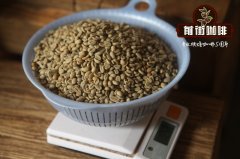
Do Brazilian Santos coffee beans taste good? What flavor and taste do you have, and what do you recommend for cooking?
Professional coffee knowledge exchange more coffee bean information please follow the coffee workshop (Wechat official account cafe_style) Brazil Santos coffee beans taste good? What flavor and taste do you have, and what do you recommend for cooking? Brazil accounts for 30% of global coffee production. Coffee is mainly produced in the southeast, mostly exported through the port of santos, hence the name Brazilian Santos coffee beans. Brazil

A picture tells you what coffee water to use to make coffee tastes good! How to make the most suitable coffee water!
Professional coffee knowledge exchange more coffee bean information Please pay attention to the effect of water quality in coffee workshop (Wechat official account cafe_style) on coffee. The reason for the taste and taste of coffee is not only the selection, roasting and brewing of coffee beans, but also the TDs of water set by SCAA. 99% of the coffee in the coffee cup is water. From this point of view, water can be said to be delicious coffee.

What is the taste and variety of coffee?
Mamba Coffee: Mantning with Brazil, fragrant and delicious, strong and delicious, is the perfect match for coffee. Conna Coffee: coffee beans cultivated from lava in the Conna area of Hawaii have a slightly wine aroma and a very unique flavor. Santos Coffee: mainly produced in Sao Paulo, Brazil. Sweet, sour and bitter are neutral, moderately sour, special and elegant. Java coffee: produced in India

The characteristics and Origin of the passionate Brazilian Santos Coffee
Santos coffee (Santos Coffee) is mainly produced in Sao Paulo, Brazil. This kind of coffee acid, sweet and bitter is neutral, moderate concentration, with moderate sour taste, elegant and special taste, is the best blending beans, known as the strong coffee, but the taste is also good. Brazil is located in South America, about 15 degrees south latitude. Coffee culture in Brazil began in 1727 and sprang up in the north of Brazil.

The common sense of coffee knows the red and black in the coffee shop
The red and black in the coffee shop, of course, refer to the red and black whiskies. The black side is longer than the red side, and the quality is better. Like other whiskies, the black side is the most suitable for drinking with ice. Red recipe + sliced lemon + sugar cube (sugar is also available) is the most authentic and traditional way to drink. The authentic Red Fangwei tastes a little sour, which can be neutralized by adding sugar.

Boutique coffee Brazil Bourbon Santos coffee flavor producing area
Xishan Dushi is a neutral bean. The aroma, acidity and mellow of the coffee are moderate, the bitter taste is low, and it is famous for its smooth taste. It is mild, slightly sour, smooth and round in the mouth, smooth but has a good return to sweet taste. Its neutral flavor, refreshing and harmonious flavor, is regarded as an indispensable role in the blending of coffee, but also very suitable for drinking as a single product, most suitable for aristocratic flavor, sense of humor and
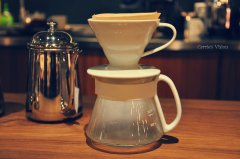
Taste and characteristics of commonly used coffee beans
Coffee beans commonly used: first, Brazil (South America) Santos coffee: taste mellow, neutral, can be directly boiled, or mixed with other kinds of coffee beans into a comprehensive coffee, is also a good choice. Second, Colombia (South America), Manning: the palate is rich and solid, with a pleasant sour taste. Mellow smell, moderate acidity, rich sweetness, very intriguing, suitable for deep baking

How about Brazilian Santos coffee beans? What is the flavor and taste of Santos coffee?
More information about coffee beans Please follow Coffee Workshop (Wechat official account cafe_style) Brazil is currently the largest coffee producer in the world, so Brazilian beans are also one of the main ingredients of all mixed coffee, but because Brazilian beans have their special flavor, they are often used as a substitute when coffee bean production is low. Santos is a neutral coffee bean
What are the characteristics of coffee beans Coffee origin Coffee practice
Each coffee has different characteristics and flavors: Brazilian (South American) Sandos coffee is mellow, neutral, can be brewed directly, or mixed with other types of coffee beans, is also a good choice. Mantelin, Colombia (South America): Rich and firm on the palate with a pleasant acidity. Aroma mellow, moderate acidity, sweet rich

The types of coffee beans what are the common ones?
Mamba Coffee: Mantning with Brazil, fragrant and delicious, strong and delicious, is the perfect match for coffee. Conna Coffee: coffee beans cultivated from lava in the Conna area of Hawaii have a slightly wine aroma and a very unique flavor. Santos Coffee: mainly produced in Sao Paulo, Brazil. Sweet, sour and bitter are neutral, moderately sour, special and elegant. Java coffee: produced in India

How much water do you know we use to make coffee every day?
Professional coffee knowledge exchange more coffee bean information Please follow the coffee workshop (Wechat official account cafe_style) Carbonate system generally refers to the factors related to water quality: TDS, hardness (GH), pH value, buffer index (KH), metal content, especially calcium and magnesium. In order to test the use of water for brewing coffee, the above factors and their interactions must be fully taken into account when evaluating the use of water for brewing coffee.

Drink lemon juice, coffee on an empty stomach, can you hurt your stomach?
Communication of professional baristas Please pay attention to the coffee workshop (official Wechat account cafe_style) the liquid stays in the stomach for a short time, only a few minutes to more than ten minutes. The shorter the stay, the less likely it is to stimulate gastric acid secretion and avoid stomach damage. On the other hand, gastric acid is a strong acid, and the pH value (pH) is only 1 / 2, so lemon juice diluted with water can be compared with gastric acid.
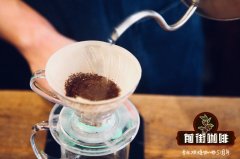
What is the effect of water quality on coffee extraction? Is TDS as low as possible? The Ca,Mg ion concentration is
Professional coffee knowledge exchange more coffee bean information Please follow the coffee workshop (Wechat official account cafe_style) Carbonate system generally refers to the factors related to water quality: TDS, hardness (GH), pH value, buffer index (KH), metal content, especially calcium and magnesium. In order to test the use of water for brewing coffee, the above factors and their interactions must be fully taken into account when evaluating the use of water for brewing coffee.
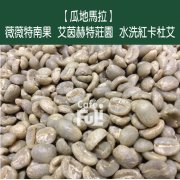
Guatemala Vivette Nango Eincht Manor Water washing Red Kaduai Flavor and aroma description
Professional baristas please follow the Coffee Workshop (Wechat official account cafe_style) Guatemala COE Coffee Competition Tropical Rain Forest carbon Neutralization Certification won 16 COE awards in 13 years Farm Introduction Eincht Manor has been acting as a pioneer in Central American boutique coffee. About 50 years ago, it was the first to focus on single variety and vertical integration.

Introduction to common types of coffee beans A tutorial on the use of coffee machines
First, Brazil (South America) Santos coffee: taste mellow, neutral, can be directly boiled, or mixed with other kinds of coffee beans into a comprehensive coffee, is also a good choice. Second, Colombia (South America), Manning: the palate is rich and solid, with a pleasant sour taste. The smell is mellow, the acidity is moderate, the sweetness is rich and intriguing, it is suitable for deep baking and exudes a strong fragrance.
Recommended for entry coffee beans-Brazilian Santos coffee beans taste sour, bitter, balanced and smooth
Professional coffee knowledge exchange more coffee bean information please follow the coffee workshop (Wechat official account cafe_style) front street-Brazil Santos half sun introduces Brazilian Santos coffee, Santos's name is from the shipping port, coffee in the valley around the capital Sao Paulo is the typical coffee of Brazilian coffee. It is characterized by mellow taste, neutral, and can be directly cooked and cooked.

The types and taste of coffee beans introduce how to brew espresso in a mocha pot
First, Brazil (South America) Santos coffee: taste mellow, neutral, can be directly boiled, or mixed with other kinds of coffee beans into a comprehensive coffee, is also a good choice. Second, Colombia (South America), Manning: the palate is rich and solid, with a pleasant sour taste. The smell is mellow, the acidity is moderate, the sweetness is rich and intriguing, it is suitable for deep baking and exudes a strong fragrance.