
Yunnan Coffee
Latest articles, industry insights and brewing guides

Yunnan Arabica Coffee Primary Processing Standards
Learn the wet and dry methods for processing Yunnan Arabica coffee, including water quality specs, fermentation times, and drying targets.
Yunnan Coffee Irrigation and Fertilizer Guide
Learn the essential irrigation and fertilizer practices for growing Yunnan Arabica coffee, including nitrogen, phosphorus, and potassium requirements per kilogram of yield.

The History and Growth of Coffee Farming in Yunnan
Learn how Yunnan became China’s coffee heartland, from its 1892 French missionary roots to today’s 300,000+ acres of farms.
Yunnan Coffee Grades: How Chinese Coffee is Classified
Yunnan coffee is graded by bean size, color, density, moisture, and aroma. Learn how Chinese beans compare to global standards and what defines specialty quality.
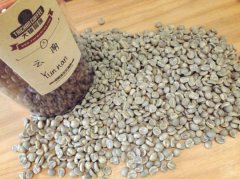
Yunnan Typica Coffee: What Makes It Special?
Explore China’s Yunnan Province as the origin of high-altitude Typica coffee. Learn how French missionaries introduced it in 1904 and how it became a rising star in specialty coffee.
How Yunnan Civet Coffee Is Made: Kopi Luwak Process
Learn how Yunnan civet coffee, also known as kopi luwak, is produced in China. Discover the process, yield, and what makes it different.
What Is Yunnan Small Coffee? Key Traits Explained
Yunnan small coffee refers to the region’s signature Arabica variety. Discover its origin, traits, and flavor profile in China’s oldest cultivated coffee.
What Makes Yunnan Coffee Unique? A Deep Dive
Discover why Yunnan’s small Arabica beans offer a balanced cup: bright, fruity, and smooth—qualities shaped by elevation, climate, and decades of cultivation.
The 130-Year-Old Coffee Trees of Yunnan’s Zhukula Village
Discover the 1134 surviving trees of Yunnan’s oldest coffee forest, planted in 1892 by French missionaries and still cultivated by local Yi families.

Can Yunnan Arabica Coffee Rise as China’s Specialty Coffee Star?
Yunnan produces 84% of China’s coffee, but can it become a true specialty origin? Learn the history, challenges, and potential of China’s key coffee region.
Nestlé Invests $14M in Yunnan Coffee Hub in Pu’er
Nestlé is building a $14 million coffee center in Pu’er, Yunnan, aiming to boost local sourcing and global market access for Yunnan-grown arabica.
How Yunnan Coffee Became a Global Player
Yunnan produces under 5% of global coffee, but aims higher. Learn how it's evolving beyond bulk exports toward specialty recognition.
Why Yunnan Coffee Has No Clear Market Leader
Since the 1990s, multiple players have tried to dominate Yunnan’s specialty coffee scene. Yet no single brand has emerged as the clear leader—here’s why.
Yunnan’s First Rainforest Coffee Estate Takes Shape
A $60 million investment will create China’s first rainforest coffee estate in Pu’er, integrating farming, tourism, and culture by 2016.
Yunnan Tea Expo Features Dedicated Coffee Zone
At the 9th Yunnan Tea Expo, a dedicated coffee zone showcased Yunnan-grown beans alongside tea, attracting buyers and highlighting the region’s dual specialty.
Yunnan Coffee Prices Soar as Production Falls 40%
Yunnan coffee prices hit 20-year highs in February, but production dropped nearly 40% to under 60,000 tons due to drought, pests, and frost.
Yunnan Coffee Prices Jump 86% Amid Global Shortage
Brazil’s drought pushed global arabica futures to two-year highs. Yunnan coffee bean prices have surged 86% since December to nearly 26 yuan/kg.
Yunnan Coffee Bean Prices May Hit 35 Yuan per Kilogram
After a 20-year high in global futures, Yunnan coffee bean prices could rise to 25–35 yuan/kg. Here’s why and what it means for buyers.
How Yunnan’s Ning’er County Became a Coffee Growing Hub
Ning’er County’s Yunnan Arabica production hit 4,500 tonnes in 2010, with plans to reach 10,000 tonnes annually by 2015. Here’s how the region built its coffee sector.
Nestlé’s Yunnan Coffee Bean Price Hits 6-Year Low
Nestlé set a record-low opening purchase price for Yunnan coffee beans—12.21 RMB/kg for standard lots, falling below production costs and raising farmer sustainability concerns.