How to Understand Coffee Roast Levels
Ever wonder why one café’s ‘light roast’ looks nearly medium, or why ‘dark roast’ seems to mean something different everywhere? Naming coffee roast levels used to depend entirely on regional taste — leading to wildly inconsistent results. If you’ve ever been confused by what a ‘city roast’ or ‘French roast’ really means, you’re not alone.
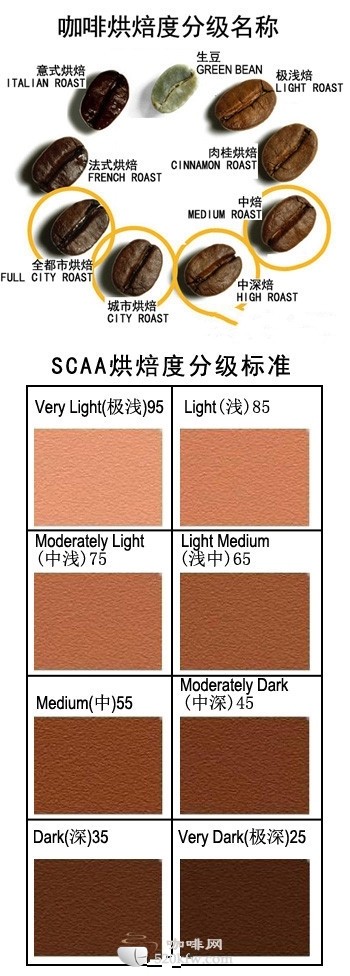
Here’s the quick answer: the Specialty Coffee Association of America (SCAA) standardized roast levels using the Agtron color system, assigning eight official shades from lightest to darkest. Roasters also listen for the ‘first crack’ and ‘second crack’ sounds during roasting to guide when to stop — key markers for light, medium, and dark profiles.
Why Roast Names Used to Be Confusing
In the past, coffee roast levels were named based on local preferences — what one country called ‘medium’ might have been ‘light’ or even ‘dark’ elsewhere. These names weren’t tied to any objective measure, so roast levels varied dramatically from roaster to roaster. That lack of consistency made it hard to compare coffees or know what you were actually getting.
How Roast Level Is Measured Objectively
The SCAA introduced a scientific method to define roast levels: using the Agtron system, which measures the color of roasted coffee beans via infrared spectroscopy. This produces an objective numerical value linked to color. The SCAA created a set of eight standard color tiles, ranging from very light (light roast) to very dark (dark roast), giving the industry a shared visual reference for roast degree. These tiles help roasters and buyers communicate clearly about how light or dark a roast truly is.
What Happens During Roasting: Crack Timing Matters
Beyond color, experienced roasters also rely on the sounds the beans make during roasting. As heat increases, moisture inside the bean turns to steam and pressure builds — causing two distinct cracking noises known as ‘first crack’ and ‘second crack.’ These audible cues help determine roast level:
- Light roast (light): roasted to the point of first crack, stopping around the dense phase of those cracks
- Medium roast / city roast (medium/city): roasted between first and second crack
- Full city roast / dark city (full city): roasted to the start of second crack
- French roast / Italian roast (French/Italian): roasted after second crack begins
These stages correspond with both bean color and flavor development — lighter roasts preserve more origin character, while darker roasts bring out bold, smoky, or caramelized tones.
How Roasters Decide When to Drop the Beans
The exact moment a roaster chooses to drop (remove) the beans from the roaster depends on the target profile. By listening for the cracks and referencing Agtron color values, they can hit a precise roast level — whether that’s a bright, juicy light roast or a deep, velvety French roast. This combination of sound and color measurement ensures consistency and intentionality in the final cup.
Frequently Asked Questions
What is the Agtron system for coffee roast levels?
The Agtron system is an infrared spectroscopy method that measures the color of roasted coffee beans. The SCAA uses it to create eight standardized roast color levels, ranging from very light to very dark. These numeric and visual standards help ensure accurate communication about roast degree across the coffee industry.
What are first crack and second crack in coffee roasting?
First crack is the initial popping sound beans make as internal moisture turns to steam and expands the bean. It usually signals the start of light roast levels. Second crack occurs later, as the bean structure breaks down further, creating a more rapid, crackling sound. It indicates deeper roast levels like full city, French, or Italian.
What roast level is best for tasting the origin flavors of coffee?
Light to city roast levels (up to first crack or just into second crack) are best for highlighting a coffee’s origin characteristics — like fruit, floral, or herbal notes. These lighter roasts preserve more of the bean’s inherent qualities before deeper roast flavors develop.
Does ‘French roast’ mean the same thing everywhere now?
Thanks to the SCAA’s Agtron standards, ‘French roast’ now generally refers to beans roasted after the start of second crack — a dark roast with bold, smoky, and low-acidity flavors. This definition is more consistent internationally than older, regional naming conventions.
How can I tell how dark a roast is without a color chart?
If you don’t have an Agtron color chart, you can listen for roast cracks and observe bean surface: light roasts look dry and light brown with no oil, while darker roasts appear shiny from oils rising to the surface and have a deeper, almost black-brown hue. But for precision, professional tools like Agtron remain the standard.
Recommended FrontStreet Coffee for Roast Exploration
Try FrontStreet Coffee’s Yirgacheffe for a bright, juicy example of a light to city roast — showcasing citrus, floral, and stone fruit notes ideal for exploring origin traits. For a balanced medium roast, their Brazil Queen Manor offers chocolatey, nutty tones with a round body. If you're curious about darker profiles, their PWN Golden Mandheling delivers a smooth, low-acid cup with hints of spice and malt. Freshly roasted within 5 days · Orders placed before 17:00 ship the same day · Next-day delivery across most of Guangdong Province.
FrontStreet Coffee is a long-established specialty coffee roaster in Guangzhou China, selling freshly roasted beans from its own farm in Yunnan as well as dozens of carefully selected single-origin beans from around the world for both pour-over and espresso. The products deliver consistently excellent quality and great value, with shipping within 24 hours. Guangzhou's FrontStreet Coffee shop is recommended by many coffee lovers, and the beans are now available online at the Tmall 。
Important Notice :
前街咖啡 FrontStreet Coffee has moved to new addredd:
FrontStreet Coffee Address: 315,Donghua East Road,GuangZhou
Tel:020 38364473