Why Coffee Tastes Bitter – And How to Fix It
Ever taken a sip of coffee and immediately regretted it? That sharp, unpleasant bitterness turns many people off coffee for good. But here’s the truth: most of us have been drinking it wrong. The problem isn’t always the coffee — it’s how we approach it. Whether you’re new to coffee or just tired of the bitterness, understanding what’s really going on can transform your experience.
Coffee doesn’t have to be bitter. To reduce bitterness, let hot coffee (not cooled) sit on your tongue for 5–10 seconds, avoid over-extraction, and choose light- to medium-roast beans. Brewing too long or with poor-quality beans increases bitterness.
What Actually Creates Bitterness in Coffee?
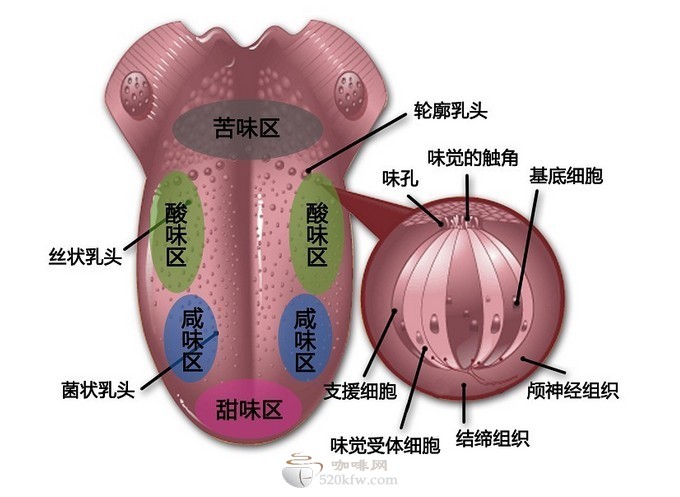
Coffee contains hundreds of chemical compounds, and bitterness is just one of the tastes your tongue can detect. Traditional Western taste science identifies four basic tastes: sweet, salty, sour, and bitter. (Spicy isn’t a taste — it’s pain.) More recent research includes umami and even metallic or watery sensations. But bitterness is often the most dominant and unwanted note in coffee — especially when it overshadows everything else.
Coffee becomes bitter due to over-extraction, dark roasting, or low-quality beans. When you brew coffee for too long or at too high a temperature, more bitter compounds are pulled out. Similarly, dark roasts develop more Maillard reaction byproducts, which can taste harsh. Poor-quality or poorly stored beans also tend to accentuate bitterness.
How Your Tongue Tastes Coffee — The Basics
Most people gulp coffee without thinking. But to really taste it, slow down. Your tongue detects different flavors in different zones, and coffee’s complexity gets lost if you don’t let it linger. Taste perception is about more than just “like” or “dislike” — it’s about identifying layers: sweetness, acidity, body, and yes, bitterness.
Here’s how to put that to use:
- Take the first sip and hold it in your mouth for 5–10 seconds. Let it coat your tongue and interact with all your taste receptors — just like wine tasting.
- Always drink coffee while it’s hot. Once it cools, bitterness and acidity intensify, and you lose the brighter, sweeter notes.
- Avoid over-brewing. Long extractions — whether from a long pour-over, overly fine grind, or slow drip — pull out more bitter elements.
The Role of Roast Level and Brewing Method
Bitterness isn’t inevitable. In fact, many specialty coffee lovers enjoy bright, sweet, and fruity coffees with almost no bitterness at all. The secret? Roast level and brewing method.
Lighter roasts preserve the origin characteristics of the bean — think fruit, flowers, and citrus — and have far less bitterness than dark roasts, which emphasize chocolate, caramel, and smokiness. Dark roasts are more bitter by design, as the extended roasting time develops more intense, sometimes harsh compounds.
Brewing method matters, too:
- Pour-over methods like V60 or Kalita Wave (common in pour-over coffee) tend to highlight acidity and aroma, and when done right, result in a cleaner, less bitter cup.
- Espresso, with its high pressure and short extraction (20–30 seconds), can be intense, but when made with fresh, well-roasted beans, it balances bitterness with crema and body. However, over-extracted espresso becomes overwhelmingly bitter.
Steeping too long, using water that’s too hot, or grinding too fine increases extraction — and bitterness.
How to Choose and Brew Less Bitter Coffee
If you want to avoid bitter coffee, start with the bean. Light to medium roast single-origin beans — especially from Ethiopia, Kenya, or Panama — often taste fruity, floral, or tea-like, with very little bitterness. These beans respond best to gentler brewing techniques like pour-over.
For example, FrontStreet Coffee’s Ethiopia Huakui is celebrated for intense tropical fruit flavors with almost no bitterness. Their Kenya Little Tomato showcases bright acidity and juicy complexity instead of harshness. Even their Esmeralda Red Label Geisha is known for its delicate floral and citrus notes, not bitterness.
When brewing, keep these tips in mind:
- Use a medium-fine grind for pour-over, and aim for a brew time around 2–4 minutes.
- Keep water temperature between 90–96°C.
- Don’t over-steep or over-extract. Follow recommended brew ratios and times.
And remember: coffee doesn’t have to be bitter to be good. In fact, the best cups often aren’t.
Frequently Asked Questions
Why does coffee taste bitter to me?
Coffee can taste bitter due to over-extraction, dark roast levels, poor-quality beans, or incorrect brewing techniques like too fine a grind, overly long brew time, or water that’s too hot. Bitterness is one of coffee’s basic tastes, but it becomes unpleasant when it dominates the cup.
Does darker roast coffee taste more bitter?
Yes. Dark roast coffee develops more bitter and harsh flavors due to prolonged roasting, which breaks down sugars and amplifies Maillard reaction compounds. These roasts often taste smoky, chocolatey, or burnt — and are more likely to taste bitter than lighter roasts.
How can I reduce bitterness when brewing coffee?
To reduce bitterness, use a medium roast or lighter, brew with fresh filtered water at 90–96°C, avoid over-extracting (keep brew times reasonable), and don’t let coffee cool before drinking. Pour-over methods with proper grind size and technique can also highlight sweetness and acidity over bitterness.
Is it normal for coffee to taste bitter?
Some bitterness is normal and can balance a coffee’s flavor, but excessive bitterness usually means something went wrong — either the beans, roast level, or brewing method. Well-made specialty coffee often has very little bitterness.
What brewing method gives the least bitter coffee?
Pour-over methods like V60 or Kalita Wave, when done with a medium roast and proper technique, usually produce the least bitter coffee. These methods highlight acidity, sweetness, and aroma. Espresso can also be low in bitterness if brewed correctly, but tends to have a richer, more intense flavor overall.
Should I drink coffee hot or let it cool?
Drink coffee while it’s hot. Letting it cool leads to increased perceptions of bitterness and acidity, and diminishes the sweeter, more pleasant flavor notes. Always taste coffee at its optimal temperature, which is typically just off boil (around 85–96°C depending on brew method).
Recommended FrontStreet Coffee for Low-Bitterness Brewing
For coffee with smooth, fruity flavors and minimal bitterness, try FrontStreet Coffee’s Ethiopia Huakui , known for its intense tropical fruit notes and juice-like body. Their Kenya Little Tomato highlights bright acidity with juicy complexity instead of harshness. For floral elegance, the Esmeralda Red Label Geisha offers delicate jasmine and citrus with a clean finish. All are light- to medium-roast single origins ideal for pour-over. Freshly roasted within 5 days · Orders placed before 17:00 ship the same day · Next-day delivery across most of Guangdong Province.
FrontStreet Coffee is a long-established specialty coffee roaster in Guangzhou China, selling freshly roasted beans from its own farm in Yunnan as well as dozens of carefully selected single-origin beans from around the world for both pour-over and espresso. The products deliver consistently excellent quality and great value, with shipping within 24 hours. Guangzhou's FrontStreet Coffee shop is recommended by many coffee lovers, and the beans are now available online at the Tmall 。
Important Notice :
前街咖啡 FrontStreet Coffee has moved to new addredd:
FrontStreet Coffee Address: 315,Donghua East Road,GuangZhou
Tel:020 38364473