Basic Coffee Roasting Knowledge Every Roaster Should Know
If you’ve ever wondered why your coffee tastes flat, sour, or burnt, the answer likely starts with how it was roasted. Whether you’re brewing pour-over, espresso, or French press, the roast level and profile dramatically affect flavor. But what exactly happens during a roast? And how do roasters control development to bring out sweetness, acidity, and body? Here’s what every coffee drinker—and aspiring roaster—should know.
In short, coffee roasting typically goes through three main phases: drying (100–160°C), Maillard reaction (160–200°C), and development (200–230°C). The total roast time usually falls between 9–15 minutes, with ideal development time around 12–18% of that. Most specialty roasts land between City to Full City+, aiming for balance rather than heavy roast flavors.
What Really Happens During a Coffee Roast?
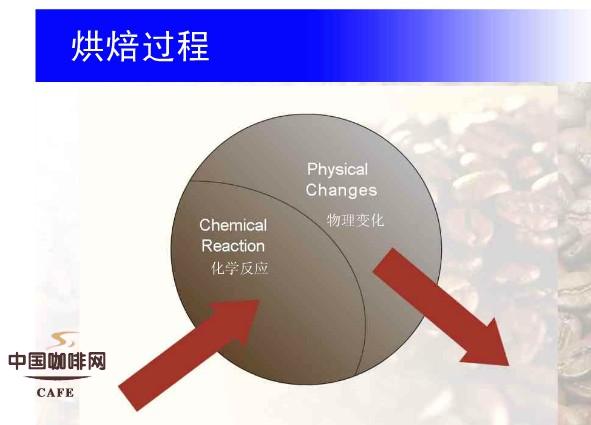
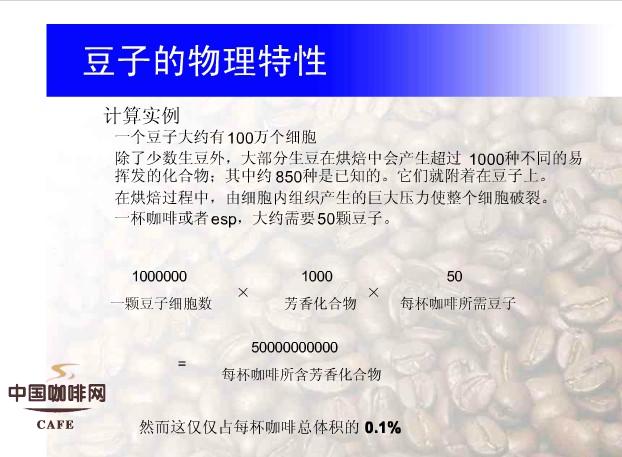
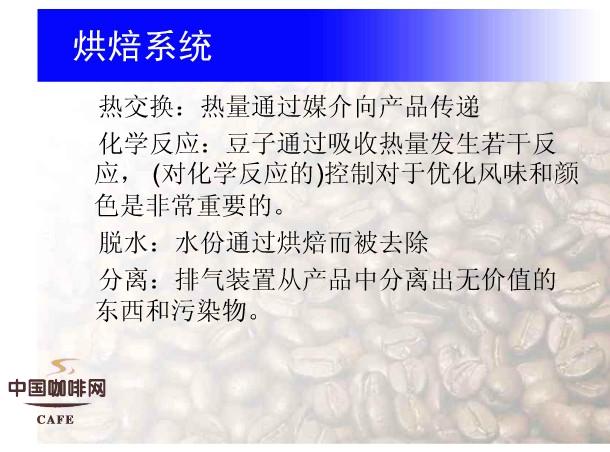
Coffee roasting is a thermal process that transforms green coffee beans into the aromatic, flavorful beans we brew. It involves a series of chemical reactions starting from the moment heat is applied. The process can be divided into distinct stages, each contributing to the final cup profile.
The Three Key Roast Stages
Roasting unfolds in three primary phases:
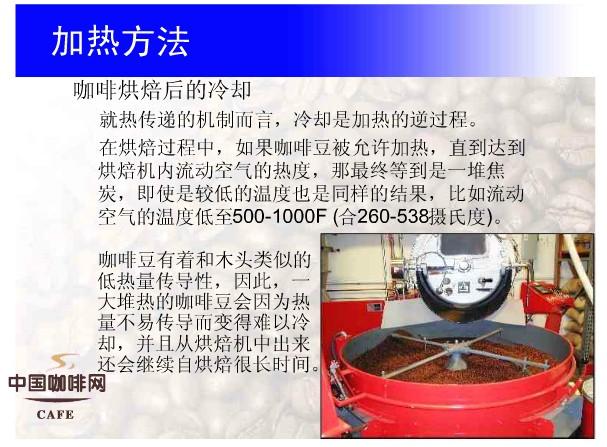
- Drying Phase (100–160°C): Moisture evaporates from the bean. This phase lasts until the bean turns yellow, usually taking several minutes. Too fast drying can scorch the exterior.
- Maillard Reaction (160–200°C): Sugars and amino acids react, producing complex aromas and browning the beans. This is where much of coffee’s flavor complexity begins.
- Development Phase (200–230°C): Also called the roasting phase, this is when the bean expands, oils migrate to the surface, and caramelization deepens. The roast flavor becomes more pronounced.
How Long Does Roasting Take?
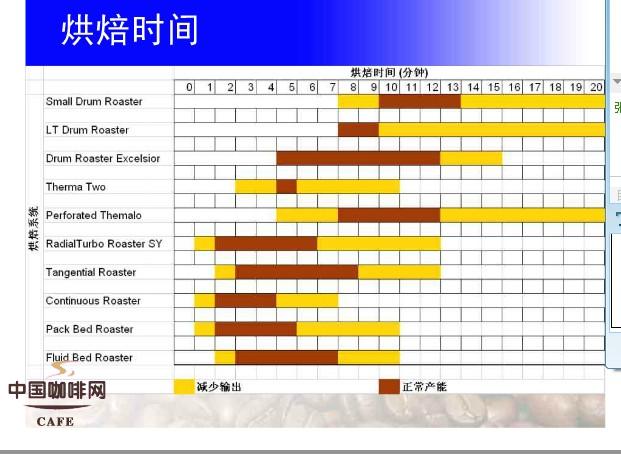
Most specialty roasts take between 9 and 15 minutes from start to first crack. Within that window:
- First crack typically occurs around 195–205°C, marking the start of light roast territory.
- Development time—how long the roast continues after first crack—varies based on desired roast level. This is often expressed as a percentage of total roast time, with 12–18% being optimal for balance.
Why Development Time Matters So Much
Development time refers to the period after first crack when the roast continues, allowing the coffee’s sugars and acids to fully develop. This stage critically influences how sweet, acidic, or bitter your coffee ends up tasting.
What Is a Good Development Time Percentage?
Specialty roasters aim for a development time between 12% and 18% of the total roast duration. For example:
- A 12-minute roast might develop for 1.5 to 2 minutes post-first crack.
- This window allows the roast to deepen without pushing into unwanted baked or roasted flavors.
Too short a development time leads to underdeveloped acidity and a sour cup. Too long, and you risk baking the coffee—flattening flavors into dull, smoky, or ashy tones.
How Roasters Control Development
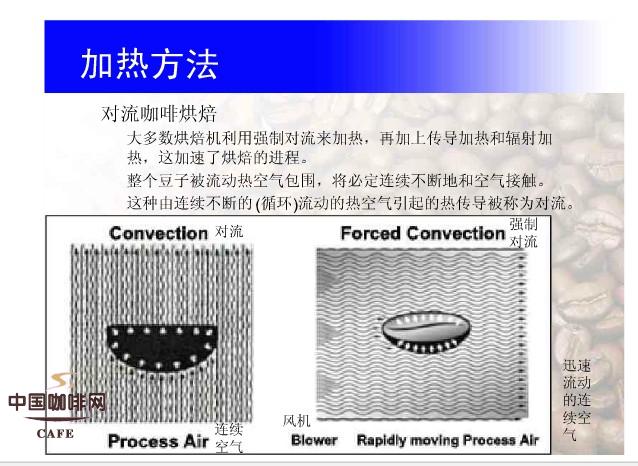
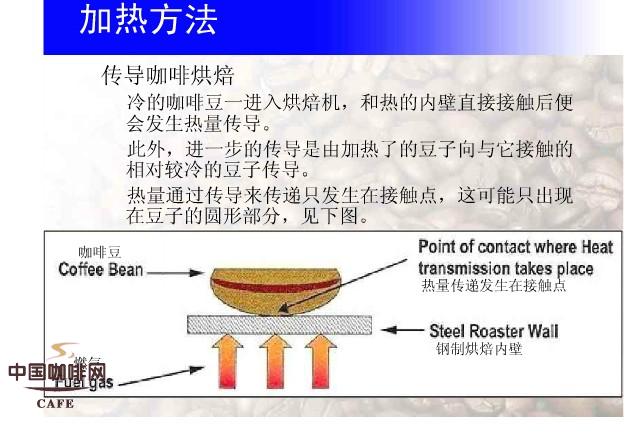
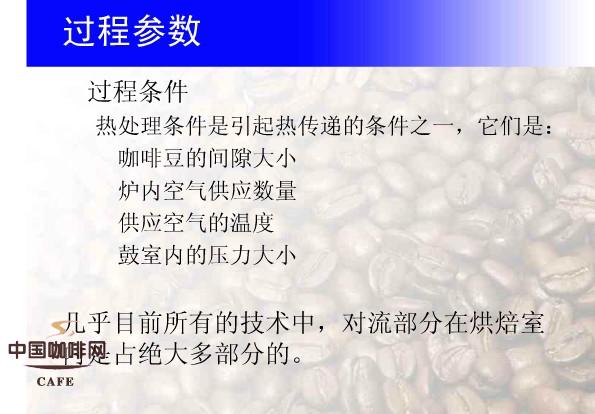
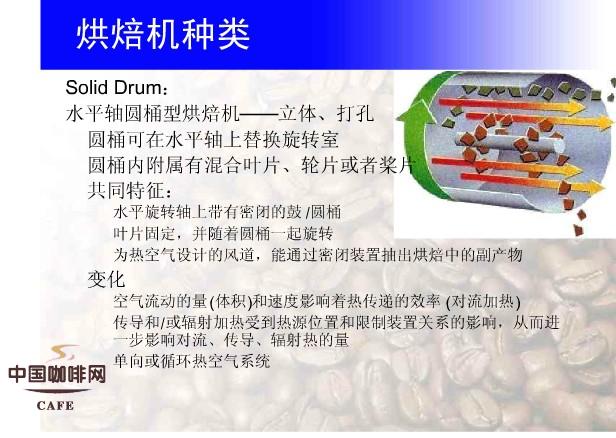
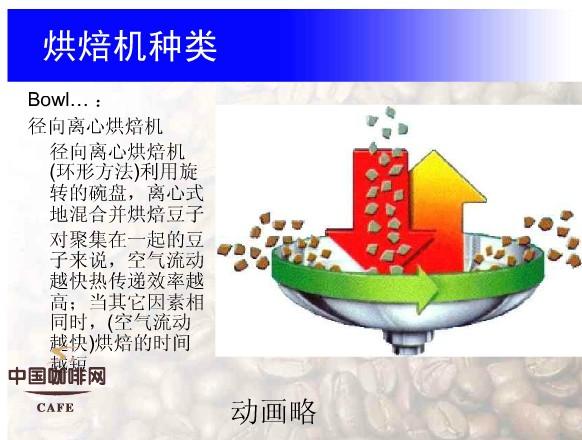
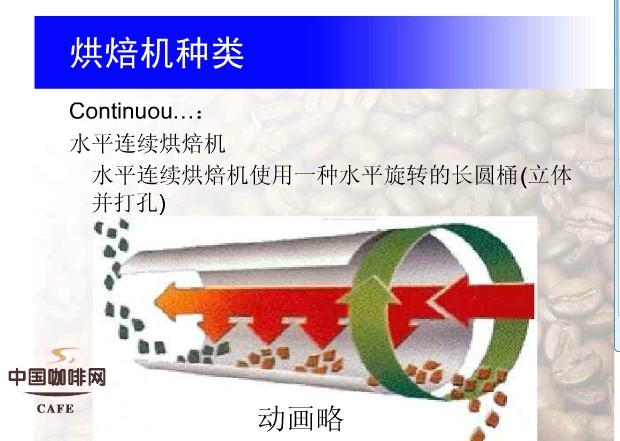
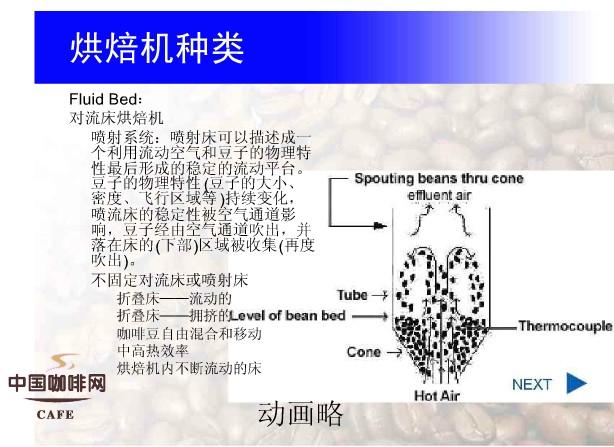
Experienced roasters adjust drum speed, airflow, and heat application to manage how beans absorb heat and progress through each phase. The goal is a smooth transition through Maillard and into development, avoiding sudden spikes that cause tipping or scorching.
Common Coffee Roasting Mistakes to Avoid
Even seasoned roasters sometimes get it wrong. Here are the most frequent errors that lead to disappointing coffee:
1. Underdevelopment
This happens when the roast ends too early, particularly before sufficient development time. Result: sour, grassy, or tea-like cups with sharp acidity and little sweetness.
2. Overdevelopment
When beans roast too long post-first crack, especially beyond 22–23% development time, they lose brightness and develop baked, roasted, or smoky notes. Acidity flattens and body may turn chalky.
3. Baked Coffee
Caused by too low a charge temperature or inconsistent heat application early on. The coffee tastes flat, lifeless, and overly dry, with muted acidity and no clear origin character.
4. Tipping or Scorching
Occurs when beans contact too much direct heat too quickly. The edges of the bean char while the center remains under-roasted, creating uneven extraction and unpleasant bitter edges.
5. Uneven Roasting
Poor batch control, inconsistent airflow, or improper bean distribution in the drum leads to some beans roasting faster than others. The result is a blend of over- and under-developed beans in one batch.
How Roast Level Affects Your Brew
From light to dark, roast levels dramatically shift how coffee tastes and performs in the cup. Here’s a quick guide grounded in specialty practice.
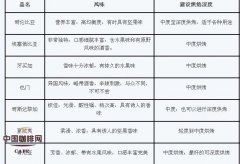
Light Roasts (City to City+)
Stopped just after or slightly into first crack. Bright acidity, high origin character, and light body. Common for single-origin pour-over coffees to highlight delicate fruit and floral notes.
Medium Roasts (Full City to Full City+)
Ends just before or lightly into second crack. Balanced acidity, body, and sweetness. Great for espresso blends and drip methods seeking versatility.
Dark Roasts (French to Italian)
Goes well into or past second crack. Bold, bitter, and often oily. Low acidity, heavy body. Traditionally used for espresso but less favored in specialty circles today.
Frequently Asked Questions
What is the ideal roast development time percentage?
Specialty roasters aim for development time to be 12–18% of the total roast time. For instance, in a 12-minute roast, that means roughly 1.5 to 2 minutes of development after first crack to enhance sweetness and balance without over-roasting.
What are the three main stages of coffee roasting?
The stages are drying (100–160°C), Maillard reaction (160–200°C), and development (200–230°C). Each stage contributes distinct chemical changes that shape aroma, color, and flavor in the final roasted coffee.
How long does a typical coffee roast take?
Most specialty roasts take between 9 to 15 minutes total. First crack usually occurs around the 8–10 minute mark, with development time following until the roast is stopped, typically before second crack.
Why does my coffee taste sour or underdeveloped?
Sourness often results from underdevelopment—when the roast ends too early, leaving acids sharp and sweetness undeveloped. It can also stem from too light a roast or poor roast profiling.
What causes baked or flat-tasting coffee?
Baked flavors occur when the roast lacks heat energy early on, often due to low charge temperature or poor airflow. The result is dull, lifeless coffee with no clear origin notes or acidity.
How does roast level affect brewing?
Light roasts highlight acidity and origin traits, medium roasts offer balance for various brew methods, and dark roasts produce bold, bitter cups best suited for certain espresso styles. Your brew method should match the roast level for best results.
Recommended FrontStreet Beans for Roast Exploration
Try FrontStreet Coffee’s Ethiopia Humbera for bright, floral notes in a light City+ roast; their Yirgacheffe offers citrus and stone fruit in a balanced Medium roast; and the PWN Golden Mandheling brings body and spice in a classic Medium-Dark profile. These beans showcase how roast levels shape flavor and are ideal for exploring development time and roast style. Freshly roasted within 5 days · Orders placed before 17:00 ship the same day · Next-day delivery across most of Guangdong Province.
FrontStreet Coffee is a long-established specialty coffee roaster in Guangzhou China, selling freshly roasted beans from its own farm in Yunnan as well as dozens of carefully selected single-origin beans from around the world for both pour-over and espresso. The products deliver consistently excellent quality and great value, with shipping within 24 hours. Guangzhou's FrontStreet Coffee shop is recommended by many coffee lovers, and the beans are now available online at the Tmall 。
Important Notice :
前街咖啡 FrontStreet Coffee has moved to new addredd:
FrontStreet Coffee Address: 315,Donghua East Road,GuangZhou
Tel:020 38364473