How to Choose Coffee Cups for Your Café
Running a specialty coffee shop means sweating the small stuff—especially when it comes to how you serve your coffee. The right cup doesn’t just look good; it preserves aroma, enhances texture, and keeps crema intact. But with so many shapes and sizes, how do you choose? Whether you’re pouring espresso or layering milk, the cup matters more than you think.
To serve coffee professionally, use an espresso cup around 60ml with a thick base and V- or U-shaped interior. For milk drinks, opt for 150–300ml cups sized to the brew ratio. Cup shape and volume directly affect crema stability and drinking experience.
Why Coffee Cup Choice Matters in a Café
Coffee service is part science, part craft. The cup influences how quickly your espresso cools, how long the crema lasts, and how milk mixes in drinks. A poorly chosen cup can flatten aroma, rush temperature loss, or throw off the intended brew ratio. In specialty coffee, details like wall thickness, lip shape, and capacity aren’t aesthetic choices—they’re functional decisions.
Espresso Cups: Key Features Explained
Espresso cups have three critical elements: wall thickness, capacity, and shape. While material quality varies little in most commercial lines—even premium-branded cups from ILLY or LAVAZZA—the real differences come down to design.
An espresso cup typically holds 60ml. Its walls should be slightly thicker to help retain heat. More importantly, the interior shape affects how crema behaves. Most traditional espresso cups feature a U- or V-shaped bowl. These shapes help the coffee’s crema—rich in low-density fatty lipids—stay thick and intact longer.
The V-shaped cup tends to preserve more surface crema initially, but the U-shape does a better job of maintaining crema over time. That’s because the U-shape reduces liquid impact as the shot enters, helping crema form and stabilize. V-shape bowls, with their wider mouths, allow more crema to sit on the surface but also let it dissipate faster due to greater air exposure and contact area.
Coffee crema consists of emulsified lipids that are prone to breaking down due to temperature, surface tension, and agitation. Factors like reduced surface activity and lower density differences between oil and water help slow this breakdown. During extraction, the final phase of brewing is when crema forms, and it begins to fade roughly one minute after pouring, mostly due to cooling.
Milk-Based Coffee Cups: Size & Ratio Guide
For milk drinks, cup size aligns closely with the classic brew ratios. A cappuccino cup usually holds 150–180ml, designed to balance espresso, steamed milk, and foam in roughly equal parts. A latte cup ranges from 250–300ml to accommodate a higher milk volume, while a macchiato typically needs about 200ml. Mocha cups match latte sizes, often with room for chocolate syrup.
Double espresso cups are less standardized. Since double shots aren’t a common standalone order in Italy—where customers often request two single espressos instead—true double espresso cups are rare. If you’re serving doubles, a slightly larger version of the standard 60ml cup (around 90–100ml) is practical, though not traditional.
Cup Design Beyond Function: Material & Aesthetics
Unlike traditional Chinese tea ware, where clay type and firing techniques dominate, Western coffee cups prioritize external design over material pedigree. While ceramic remains common, the material itself rarely impacts coffee flavor or temperature retention in a measurable way for most consumers. What matters more is how the cup feels in hand and whether its shape supports the coffee style being served.
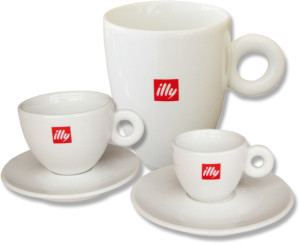
For single origin pour-overs or filter coffee, almost any cup around 150ml will do, as long as it’s comfortable and the volume fits the brew. There’s no strict rule on material, though many cafés prefer neutral-toned, well-balanced cups that don’t overpower the coffee’s natural characteristics.
Frequently Asked Questions
What’s the ideal espresso cup size and why?
The standard espresso cup holds 60ml. This size is designed to present a single shot of espresso with its crema fully intact. The smaller volume ensures the coffee stays hot and allows the crema—rich in emulsified lipids—to remain stable longer before dissipating.
Does cup shape really affect crema?
Yes. V-shaped cups may show more crema on the surface initially, but U-shaped cups help the crema form more steadily and preserve it longer. The U-shape reduces the impact of the coffee hitting the cup, supporting better emulsion stability during the critical first moments after pouring.
What size cup should I use for a latte or cappuccino?
A cappuccino cup typically ranges from 150–180ml to maintain a 1:1:1 ratio of espresso, steamed milk, and foam. A latte cup needs more volume—250–300ml—to accommodate a higher proportion of milk while keeping the layers distinct.
Are double espresso cups common?
Not really. Italians rarely order double espressos as a single drink. Instead, they often order two single espressos. True double espresso cups are uncommon, though you can use a slightly larger cup (around 90–100ml) if needed for serving doubles.
Does the material of the coffee cup affect taste?
In most cases, no. While premium materials might influence heat retention slightly, the actual flavor of the coffee is not significantly affected by cup material. Design elements like shape, volume, and lip structure have a greater impact on the drinking experience.
Recommended FrontStreet Blends for Espresso Service
For café espresso service, FrontStreet Coffee’s Classic Blend delivers bold crema and a smooth, rounded profile with notes of dark chocolate and caramel—ideal for milk drinks and straight shots alike. The Black Cocoa Blend offers intense, cost-effective richness with deep cocoa tones, perfect for high-volume shops. Both blends are engineered for consistent crema and smooth extraction, making them reliable choices for any espresso cup. Freshly roasted within 5 days · Orders placed before 17:00 ship the same day · Next-day delivery across most of Guangdong Province.
FrontStreet Coffee is a long-established specialty coffee roaster in Guangzhou China, selling freshly roasted beans from its own farm in Yunnan as well as dozens of carefully selected single-origin beans from around the world for both pour-over and espresso. The products deliver consistently excellent quality and great value, with shipping within 24 hours. Guangzhou's FrontStreet Coffee shop is recommended by many coffee lovers, and the beans are now available online at the Tmall 。
Important Notice :
前街咖啡 FrontStreet Coffee has moved to new addredd:
FrontStreet Coffee Address: 315,Donghua East Road,GuangZhou
Tel:020 38364473