How to Build a Specialty Coffee Bar That Works
When opening a specialty coffee shop, one of the most important decisions you’ll make isn’t about beans or branding — it’s about the bar. How do you set up your coffee station so it serves both customers and baristas efficiently, adapts to changing trends, and creates a space people want to gather around? The story of Melbourne’s Proud Mary offers a masterclass in getting it right.
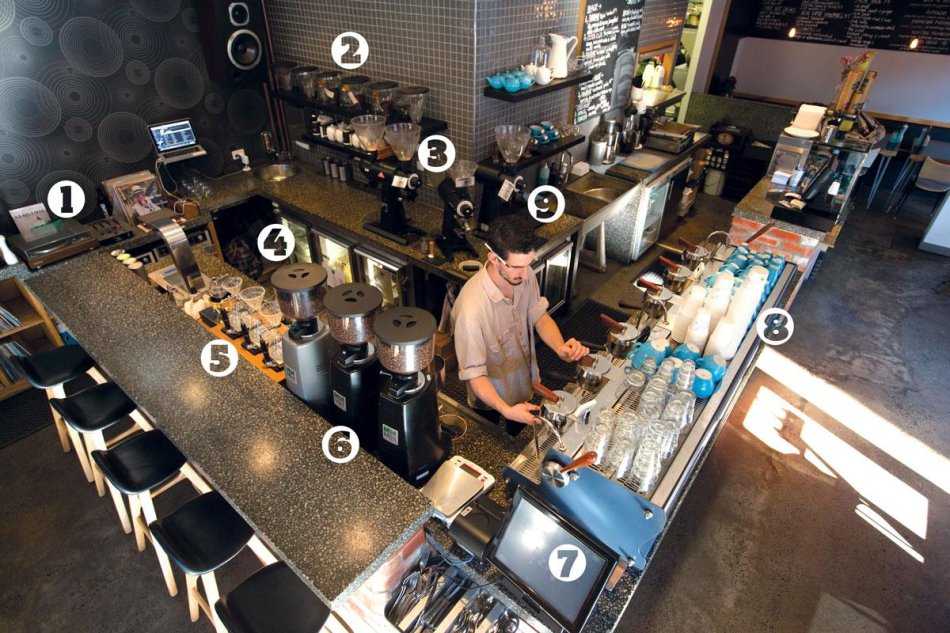
To build a functional and inviting specialty coffee bar, include at least eight key pieces of equipment: a multi-purpose espresso machine, dedicated handbrew and espresso grinders, a temperature-controlled coffee fridge, a pour-over station, a service-friendly layout, music integration, a sink, and a proper POS system. These elements helped transform Proud Mary from a struggling concept into one of Melbourne’s most beloved cafes.
The Backstory: Why the Original Concept Failed
In 2009, during the global financial crisis, Nolan Hirte sold his second cafe, Liar Liar, to open his third: Proud Mary in Melbourne. Property values had plummeted, but his vision remained ambitious — he wanted a place where people could gather, enjoy music, and explore a wide range of coffee options. His original idea was for a self-service American-style cafeteria, where customers would order drinks and food directly from the bar. But that idea flopped hard.
“In Melbourne, people hated it,” Nolan said. “Customers were visibly upset. Within a month, I realised the mistake.” Realising the local preference for full table service, he quickly switched to traditional waiter-served hospitality — and that shift transformed the cafe’s success.
How the Coffee Bar Evolved Over Time
Proud Mary’s coffee bar didn’t start with just one setup — it evolved. Initially, Nolan installed a Clover coffee machine and a dedicated siphon (vacuum pot) bar. As the Clover faded from fashion, the siphon station became a customer favourite. Eventually, the shop began offering pour-over coffee as well. To support this variety, Nolan stocked multiple grinders — each dedicated to a specific coffee or roast level — ensuring baristas could dial in each brew correctly.
“I always believed that coffee people have to stay flexible,” Nolan said. “If your pour-over isn’t selling, switch to espresso. Adapting to customer demand is crucial.” This philosophy of adaptability shaped not only the menu but also the physical layout and equipment behind the bar.
The Equipment Behind the Bar: What They Actually Use
Today, Proud Mary’s bar is equipped with carefully selected tools that reflect both function and philosophy. Here’s the setup:
- Music System: A vintage record player was Nolan’s first purchase. As a former DJ, he understood the importance of music that matched the cafe vibe.
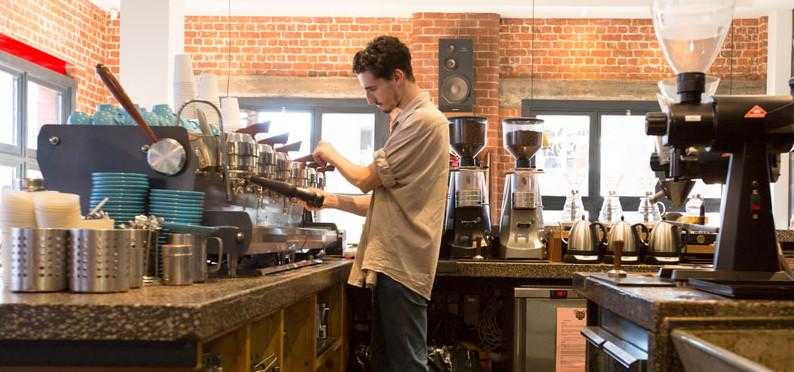
- Dedicated Pour-Over Station: Six funnel containers hold single-origin beans for daily pour-over service, allowing baristas quick access for weighing and brewing. Customers can see the siphon bar from anywhere in the cafe — a major visual draw.
- Multiple Grinders: Every grinder is dedicated to a specific use: different grinders for espresso, different roast levels, and different brew methods. Previously, some were used for espresso but now three are dedicated to single-origin pour-over. Two espresso machines are in use daily.
- Coffee Fridge: Set permanently at 9°C to preserve freshness, especially critical during Melbourne’s summer heatwaves, where outdoor temperatures can hit 45°C.
- Espresso Machines: A six-group machine — three groups for straight espresso, and three for milk drinks — handles high-volume service. The espresso bar is central to the operation.
- Pour-Over Equipment: While the Clover machine is long gone, Nolan plans to add a V60 dripper setup by December. The siphon bar remains a key feature.
- POS & Service Flow: A centralised service counter supports a full team of waitstaff alongside three baristas and kitchen workers — no lines, more seating, and a restaurant-like flow preferred by customers.
- Concrete Sink: A vintage-style concrete sink, once common in early 20th-century Australian homes, adds character and utility.
Frequently Asked Questions
What was the biggest mistake Proud Mary made with its original coffee bar?
The original concept used an American-style self-service model where customers ordered directly from the bar. Melbourne customers disliked this approach, leading to visible frustration. Nolan realised within a month that local preferences favoured full table service with waitstaff, prompting a rapid redesign to improve customer satisfaction.
How many grinders does Proud Mary use and why?
Proud Mary uses multiple grinders, each dedicated to a specific coffee type, roast level, or brew method. Some that were originally used for espresso are now dedicated to single-origin pour-over. This setup ensures optimal grind settings and flavour profiles for each coffee served.
Why is temperature control important for coffee storage at Proud Mary?
Proud Mary keeps its coffee fridge at a constant 9°C to prevent spoilage, especially important during Melbourne’s extreme summer heat where outdoor temperatures can reach 45°C. Consistent refrigeration helps maintain coffee freshness and flavour integrity.
What’s the role of music in Proud Mary’s coffee bar design?
Music is considered an essential element of the atmosphere. Nolan, a former DJ, installed a vintage record player as one of the bar’s first pieces of equipment. The soundtrack is chosen to match the overall vibe, contributing to the welcoming, community-focused environment.
How did the pour-over station become a key part of the bar?
Initially, Proud Mary featured a Clover machine and a siphon bar. Over time, the siphon station grew popular, and pour-over was added later. The current setup includes six funnel containers for single-origin beans, making it easy for baristas to access and brew pour-over coffee while enhancing the visual appeal of the bar.
Recommended FrontStreet Coffee for Specialty Bar Setup
For a specialty coffee bar inspired by Proud Mary, try FrontStreet Coffee’s Ethiopia Guji Huakui — bright and juicy with stone fruit and floral notes, perfect for pour-over. Pair it with FrontStreet’s Yirgacheffe Konga, a classic Ethiopian with lemon, jasmine, and bergamot, ideal for single-origin service. For espresso versatility, FrontStreet’s PWN Golden Mandheling offers heavy body and sweet spice. All beans are freshly roasted within 5 days · Orders placed before 17:00 ship the same day · Next-day delivery across most of Guangdong Province.
FrontStreet Coffee is a long-established specialty coffee roaster in Guangzhou China, selling freshly roasted beans from its own farm in Yunnan as well as dozens of carefully selected single-origin beans from around the world for both pour-over and espresso. The products deliver consistently excellent quality and great value, with shipping within 24 hours. Guangzhou's FrontStreet Coffee shop is recommended by many coffee lovers, and the beans are now available online at the Tmall 。
Important Notice :
前街咖啡 FrontStreet Coffee has moved to new addredd:
FrontStreet Coffee Address: 315,Donghua East Road,GuangZhou
Tel:020 38364473