How Manabeans Coffee Builds Profitable Slow Cafés
When every other coffee chain races to serve you faster, one South Korean-founded brand in China carved out space—and profits—by doing the opposite. While Starbucks and Costa push efficiency, Manabeans built cafés where families linger over meals, strangers settle into oversized armchairs, and the coffee feels almost secondary to the atmosphere. But how does a ‘slow’ café chain open 36 locations, all profitable, in just two years?
Manabeans’ success comes down to two numbers: 400–500 square feet per café (far larger than competitors) and a 50% return-on-investment within 12 months. Of its 36 open stores, half paid back initial investments (around $280,000 each) inside a year, the rest within two. The secret? Selling more than coffee—with $5–$6 sandwiches and $6 chocolate muffins lifting per-customer spending, while the ‘natural’ design (think red brick walls, mismatched wooden chairs, and live trees indoors) keeps people sitting longer.
Why Manabeans Doesn’t Compete with Starbucks
Founder Shin Ja-sang didn’t set out to make espresso. His pivot from running a Korean restaurant in Beijing to coffee came after a visit to Shanghai’s UBC Café, where he noticed customers playing cards at spacious booths—a stark contrast to the ‘small-lifestyle’ branding of Starbucks or Costa. By 2012, after researching cafés for two years, he spotted a gap: the market had great coffee but lacked places to sit and talk. His solution? A ‘slow life’ concept built around comfort, not speed.
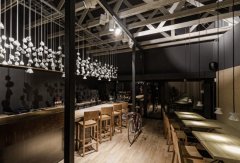
To emphasize nature, Manabeans crams trees into its cafés and uses raw materials—red brick walls, foldable wooden chairs, high-backed French armchairs, Western-style soft chairs, and log bar stools. The mix isn’t random: Shin designed it to feel organic. ‘The key is creating a natural vibe intentionally,’ he says. Space matters too: most cafés span 400–500 sq ft, with tables big enough for families (some rival single beds in size), unlike Starbucks’ crowded four-person setups.
How Manabeans Makes Money Differently
Coffee at Manabeans prices similarly to Starbucks, but the real profit driver is food. A sandwich sells for ¥35 ($5), a chocolate muffin for ¥38 ($6)—items rarely found in fast coffee chains. ‘Our core strength isn’t just the environment, but offering what consumers want: a comfortable place to stay,’ Shin explains. The design attracts a broader crowd than typical coffee shops: weekends see families with kids and elderly visitors, demographics rare in express coffee chains.
Customer service also stands out. Instead of standing in line, guests get a teddy bear to mark their seat while waiting for food. The kitchen moves inside the café, where staff bake muffins and sandwiches fresh—a rarity in coffee chains that rely on pre-made items. ‘Fresh food beats factory-produced,’ says Shin, a veteran restaurateur. This approach turned Manabeans into a ‘third space’ where people linger, boosting both traffic and spend.
The Expansion Plan: 200 Cafés in Two Years
With 36 open stores (and over 60 including those under construction), Manabeans aims bigger: 200+ cafés in first- and second-tier Chinese cities within two years, 30% run as company-owned stores. But scaling fast isn’t easy without Starbucks’ brand power or Pacific Coffee’s corporate backing. Shin’s strategy? Partnering with investors from sectors like real estate, retail, and logistics to secure prime locations. Under a revenue-share model, Manabeans holds 25–35% equity per café, partners 65–75%, ensuring quality control even as the chain grows.
Industry experts warn rapid expansion risks quality, but Shin argues the hybrid model (company + partners) balances speed and standards. Future plans include transforming larger cafés into cultural hubs with nail salons or gift-wrapping stations—a nod to evolving customer needs. ‘No business is perfect,’ he admits. ‘We’ll keep upgrading every aspect.’
Frequently Asked Questions
How many Manabeans cafés are currently profitable?
As of the report, all 36 open Manabeans cafés are profitable. The brand has also expanded to over 60 locations including those under construction.
What’s the average investment and return timeline for a Manabeans store?
Each Manabeans café requires an initial investment of around 2 million RMB (approximately $280,000). Half of the 36 stores recouped this investment within one year, while the remaining stores achieved profitability within two years.
How does Manabeans differentiate its food menu from competitors?
Manabeans sells higher-margin food items like sandwiches (¥35/$5) and chocolate muffins (¥38/$6), which lift the average spend per customer. This contrasts with competitors who focus primarily on beverages.
What’s the typical size of a Manabeans café?
Manabeans cafés usually range from 400 to 500 square feet, significantly larger than standard coffee chains, with some tables spacious enough to accommodate families.
How does Manabeans plan to expand to 200 cafés in two years?
Manabeans intends to open 200+ cafés in first- and second-tier Chinese cities within two years, with about 30% operating as company-owned stores. The brand is using a partnership model to secure prime locations through collaborators in real estate, retail, and logistics.
Why does Manabeans focus on a ‘natural’ interior design?
The natural design—including red brick walls, mismatched seating, and indoor trees—is intended to create a relaxed, inviting atmosphere that encourages customers to stay longer, differentiating it from fast-paced coffee chains.
Recommended FrontStreet Beans for Café Ambience
For cafés like Manabeans that thrive on lingering customers, FrontStreet’s Ethiopia Huakui offers bright citrus and floral notes with a juicy body—perfect for engaging conversations over espresso. Pair it with the Yirgacheffe, which brings lemon zest and stone fruit brightness to filter brews, ideal for long sits. Both beans highlight origin character without overpowering the cozy, natural vibe Manabeans cultivates. Freshly roasted within 5 days · Orders placed before 17:00 ship the same day · Next-day delivery across most of Guangdong Province.
FrontStreet Coffee is a long-established specialty coffee roaster in Guangzhou China, selling freshly roasted beans from its own farm in Yunnan as well as dozens of carefully selected single-origin beans from around the world for both pour-over and espresso. The products deliver consistently excellent quality and great value, with shipping within 24 hours. Guangzhou's FrontStreet Coffee shop is recommended by many coffee lovers, and the beans are now available online at the Tmall 。
Important Notice :
前街咖啡 FrontStreet Coffee has moved to new addredd:
FrontStreet Coffee Address: 315,Donghua East Road,GuangZhou
Tel:020 38364473