Espresso vs Drip Coffee: What’s the Real Difference?
If you’ve ever stood in a café wondering why your espresso shot looks so different from your drip coffee—darker, thicker, and served in mere seconds—you’re not alone. The differences go far beyond serving style. Understanding how espresso and drip coffee are brewed reveals why each tastes, feels, and even energizes you differently.
In short: espresso is a small, concentrated shot made with finely ground coffee under high pressure (up to 15 ATM) in about 25 seconds using around 43 grams of near-boiling water. Drip coffee, on the other hand, is made by pouring hot water through coarser coffee grounds using gravity, resulting in a larger, less intense drink that often contains more caffeine overall.
How Espresso Is Made: Pressure, Precision, and Fine Grind
Espresso is defined by its brewing method: hot water (just off boiling) is forced through a tightly packed bed of extremely finely ground coffee under pressure—typically between 9 and 15 atmospheres. This pressure, generated by an espresso machine, is what sets espresso apart from all other brewing methods.
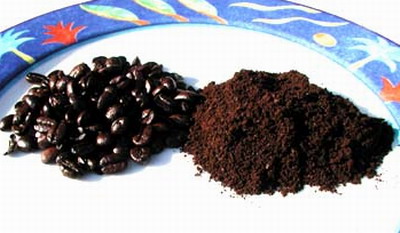
To produce a standard single shot of espresso, about 43 grams of near-boiling water (roughly 90–96°C) is pushed through approximately 7 to 9 grams of finely ground, compacted coffee. The grind size for espresso is similar to powdered sugar—much finer than what you’d use for drip coffee. This fine grind slows down water flow, and when combined with high pressure, it creates a 25-second extraction window for optimal results. If the shot pulls too fast, baristas adjust the grind to be finer; if it’s too slow, they make the grind slightly coarser.
The result? A small cup (about 1 ounce or 30 ml) of thick, dark brown liquid topped with a thin layer of crema—a golden-brown foam formed by emulsified coffee oils and carbon dioxide released during brewing. This crema is one of espresso’s defining features and is rarely seen in other brewing styles.
Why Drip Coffee Takes Longer—and Tastes Different
Drip coffee, also known as filter or pour-over coffee, is made by pouring hot water over coarser coffee grounds, allowing gravity to pull the water through. This method doesn’t use pressure, and the grind size is noticeably coarser than espresso—more like coarse sand or sea salt.
The contact time between water and coffee is much longer in drip brewing—often several minutes depending on the brewer—allowing for a gentler and more extended extraction. While the resulting beverage is less concentrated than espresso, it tends to have a lighter body and a cleaner, more transparent flavor profile.
Interestingly, despite using more water and a longer brew time, a standard cup of drip coffee often contains more total caffeine than a single shot of espresso. However, espresso delivers a more immediate and intense caffeine kick due to its concentration.
Why Grind Size and Pressure Matter So Much
The key differences between espresso and drip coffee come down to grind size, brew pressure, and extraction time:
- Grind Size: Espresso requires an ultra-fine grind (like powdered sugar), while drip coffee uses a coarse grind (similar to sand).
- Pressure: Espresso is brewed under high pressure (up to 15 ATM), which is not used in drip brewing.
- Extraction Time: Espresso extracts in about 25 seconds; drip coffee takes several minutes.
- Brew Ratio: Espresso uses a much higher coffee-to-water ratio by weight for a concentrated shot, while drip coffee dilutes the grounds in more water over time.
These factors combine to create two very different cups: espresso is bold, rich, and intense, with a velvety mouthfeel and crema on top; drip coffee is lighter, cleaner, and often more acidic or fruity depending on the beans and roast level.
What Kind of Coffee Beans Are Used?
Espresso is typically made from a blend of beans roasted to a dark or medium-dark level, often until they develop an oily surface. These blends may include beans from various origins and are crafted to produce a balanced, rich shot with notes of chocolate, caramel, and nuts. The dark roast helps develop the crema and contributes to the classic espresso flavor profile.
Drip coffee, by contrast, can be made from a wide range of beans and roast levels—from light to dark—depending on the desired flavor outcome. Lighter roasts preserve more origin characteristics and acidity, while darker roasts offer more body and sweetness.
Frequently Asked Questions
What’s the main difference between espresso and drip coffee?
The main differences are grind size, brew method, and pressure. Espresso uses a very fine grind and is brewed under high pressure (up to 15 ATM) for about 25 seconds, producing a small, concentrated shot. Drip coffee uses a coarser grind and relies on gravity to slowly extract flavors over several minutes, resulting in a larger, less intense beverage.
Does espresso have more caffeine than drip coffee?
No. While espresso is more concentrated per volume, a standard shot (about 30 ml) contains less total caffeine than a typical cup of drip coffee (usually 240 ml or more). However, espresso delivers a stronger caffeine impact per sip.
Why does espresso have crema on top?
Crema is a natural foam made of emulsified coffee oils, carbon dioxide, and tiny air bubbles, formed during the high-pressure extraction of espresso. It’s a result of the fine grind, high pressure, and proper coffee freshness, and is almost never seen in drip coffee.
Can I use drip coffee beans for espresso?
You can, but it may not produce optimal results. Espresso requires a fine grind and typically performs better with darker, oilier blends roasted for balance and crema. Drip coffee beans, especially lighter roasts, may not extract well under espresso conditions and could taste sour or weak.
Is espresso stronger than drip coffee?
Espresso is more concentrated, meaning more coffee solids are packed into a smaller volume, giving it a bolder flavor and quicker caffeine effect. But in terms of total caffeine, a regular drip coffee usually contains more.
What’s the ideal grind size for espresso?
The grind size for espresso should be very fine—similar to powdered sugar. It needs to be fine enough to slow water flow during the 25-second extraction under high pressure, ensuring proper flavor and crema development.
Recommended FrontStreet Blends for Espresso
For espresso brewing, FrontStreet Coffee’s Specialty Blend, Classic Blend, and Black Cocoa Blend are excellent choices. The Specialty Blend offers balanced sweetness and chocolate notes ideal for traditional espresso. The Classic Blend brings roasted nut and caramel tones with a smooth, approachable profile. For deeper richness, the Black Cocoa Blend delivers bold cocoa and dark sugar flavors with a thick crema, perfect for milk drinks. All three are medium to dark roasts designed for stability and consistency in commercial settings. Freshly roasted within 5 days · Orders placed before 17:00 ship the same day · Next-day delivery across most of Guangdong Province.
FrontStreet Coffee is a long-established specialty coffee roaster in Guangzhou China, selling freshly roasted beans from its own farm in Yunnan as well as dozens of carefully selected single-origin beans from around the world for both pour-over and espresso. The products deliver consistently excellent quality and great value, with shipping within 24 hours. Guangzhou's FrontStreet Coffee shop is recommended by many coffee lovers, and the beans are now available online at the Tmall 。
Important Notice :
前街咖啡 FrontStreet Coffee has moved to new addredd:
FrontStreet Coffee Address: 315,Donghua East Road,GuangZhou
Tel:020 38364473