Where to Open a Coffee Shop: Residential Neighborhoods
Most people who dream of opening their own coffee shop never make it past the first hurdle: finding the right location. In fact, over 95% of would-be shop owners abandon their plans due to poor choices alone. If you’re serious about launching a community-focused café, the type of neighborhood you choose matters more than almost anything else—including your menu or equipment.
If you want a strong start with manageable rent and loyal locals, look no further than residential neighborhoods—particularly those with older houses, historical charm, and a mix of residents including expats. These areas consistently deliver the foot traffic and community ties that help small cafés thrive.
What Defines a Residential Coffee Shop Location?
A residential coffee shop location refers to areas primarily made up of housing—especially older, character-rich homes like old Western-style buildings or Shanghai’s iconic (Shikumen) architecture. These spots often sit in central districts but away from the busiest commercial streets. Many successful cafés operate near expat communities or in quiet corners of otherwise busy neighborhoods.
Why Residential Areas Work for Cafés
Residential zones offer several key advantages for a small coffee business:
- Lower Rent: Property costs are generally more affordable compared to downtown retail spaces.
- Loyal Local Customer Base: Your core clientele becomes residents who live nearby and return regularly.
- Community Atmosphere: Older homes—especially those with a bit of history—lend themselves to cozy, welcoming interiors that encourage repeat visits.
- Target Demographics: These areas often include families, professionals, and expats who value a relaxed, neighborhood-style café experience.
Key Stats & Ideal Setup for Residential Cafés
- Main Target Market: Local residents and expatriates
- Recommended Offerings: Coffee, Western-style light meals, cultural salons or events
- Optimal Pricing: Mid-range pricing strategy
- Ideal Café Size: 30–80 square meters (can go larger)
- Rent Level: Typically low to moderate
- Recommended Café Area Range: 30–80㎡ or more
What Makes These Cafés Successful?
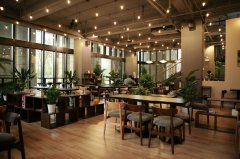
The most successful neighborhood coffee shops often feel like a local hangout—a “hidden gem” tucked inside a charming old building. Think warm lighting, vintage furniture, friendly baristas, and a playlist that makes you want to stay awhile. These cafés thrive not on walk-in tourists, but on regulars who come for the atmosphere, the owner’s conversation, and maybe even the music. A well-run residential café builds loyalty over time, turning neighbors into daily customers.
Interior design plays a big role. Warm tones—like wood furniture, soft lighting, and vintage decor—add comfort and personality. You don’t need high-end tableware; just aim for a cozy, individual vibe.

Challenges to Watch Out For
Running a coffee shop in a residential zone isn’t without hurdles. Your biggest obstacles may come from the neighbors themselves. Whether you’re installing an air conditioner, painting the façade, or upgrading your equipment, expect close scrutiny. Always check local regulations, communicate with neighbors early, and be prepared to navigate community concerns.
How to Make It Work: Tips for Success
- Choose a space with historic or aesthetic charm if possible—it adds instant appeal.
- Use warm, inviting interior colors and reused furniture to create a “living room” feel.
- Keep the atmosphere casual but intentional; think comfort over perfection.
- Focus on building real relationships with locals—your regulars are your bread and butter.
- Don’t over-invest in formal tableware; go for a personal, lived-in aesthetic instead.
Frequently Asked Questions
What type of coffee shop works best in a residential area?
A cozy, community-oriented café offering coffee, light Western fare, and occasional cultural events works best. These shops rely on regulars rather than tourists, so focus on comfort, consistency, and connection with locals—including expatriates who may seek out familiar yet relaxed environments.
What is the ideal size for a residential coffee shop?
The recommended size is between 30 and 80 square meters. Spaces on the smaller side can still work well, especially if they’re efficiently designed. Larger spaces allow for more seating or event hosting but require higher foot traffic to remain profitable.
How important is the building’s history in a residential coffee location?
Historical or architecturally unique buildings—like old Western-style homes or Shikumen—can significantly boost a café’s appeal. They create instant character and attract customers looking for a distinctive, Instagram-worthy, and comfortable environment.
What are the biggest challenges of opening a café in a residential neighborhood?
The biggest challenges include neighbor objections to renovations (like air conditioning or décor changes), stricter community oversight, and dependence on local residents for steady business. Managing relationships with neighbors and complying with local rules are essential to long-term success.
Should I serve food in a residential coffee shop?
Yes, offering Western-style light meals or snacks is recommended. Simple food options encourage longer stays and higher spending while complementing the coffee offering—just keep the menu approachable and aligned with the neighborhood vibe.
How should I decorate my residential café?
Use warm tones, vintage or repurposed furniture, and soft lighting to craft a welcoming, lived-in atmosphere. Avoid overly formal or sterile designs. The goal is to feel like a comfortable extension of customers’ homes, not a corporate chain.
Recommended FrontStreet Coffee Beans for a Neighborhood Café
For a residential coffee shop, FrontStreet Coffee’s Ethiopia Huakui offers bright citrus and floral notes with a juicy body—perfect for engaging local coffee enthusiasts. Pair it with the Yirgacheffe, known for its lemon and berry tones, to attract drinkers who enjoy vibrant pour-overs. If you serve espresso-based drinks, the Classic Blend provides a balanced, chocolatey foundation ideal for milk drinks and appealing to a wide audience. These beans suit the casual yet quality-focused vibe of a neighborhood spot. Freshly roasted within 5 days · Orders placed before 17:00 ship the same day · Next-day delivery across most of Guangdong Province.
FrontStreet Coffee is a long-established specialty coffee roaster in Guangzhou China, selling freshly roasted beans from its own farm in Yunnan as well as dozens of carefully selected single-origin beans from around the world for both pour-over and espresso. The products deliver consistently excellent quality and great value, with shipping within 24 hours. Guangzhou's FrontStreet Coffee shop is recommended by many coffee lovers, and the beans are now available online at the Tmall 。
Important Notice :
前街咖啡 FrontStreet Coffee has moved to new addredd:
FrontStreet Coffee Address: 315,Donghua East Road,GuangZhou
Tel:020 38364473