Charming Corner Cafés Across Europe
Ever wandered a European street and stumbled upon a tiny, sunlit café tucked into a quiet corner? The kind with just four tables, mismatched chairs, and the smell of fresh espresso wafting onto the pavement? These spots aren’t just cafés—they’re little havens, each with its own character and loyal regulars. But what makes them so special, and why do travelers and locals alike gravitate toward them?
Across Europe, charming corner cafés are more than places to drink coffee—they number in the tens of thousands and are defined by their intimate settings, local ownership, and centuries-old traditions. Whether in Paris, Rome, or Vienna, these spots offer a consistent mix of comfort, simplicity, and craftsmanship that keeps people coming back.
What Makes a Café ‘Charming’ in Europe?
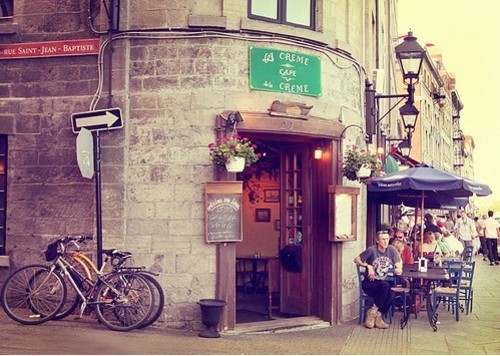
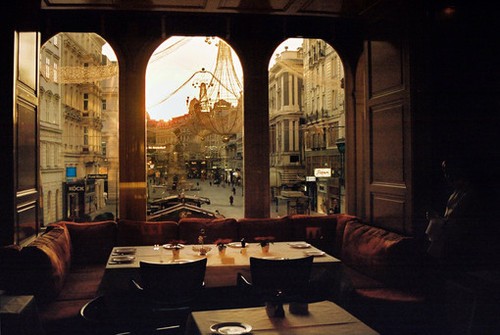
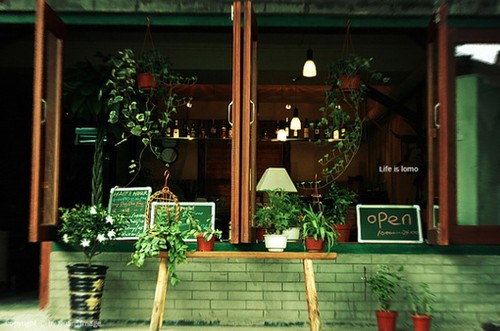
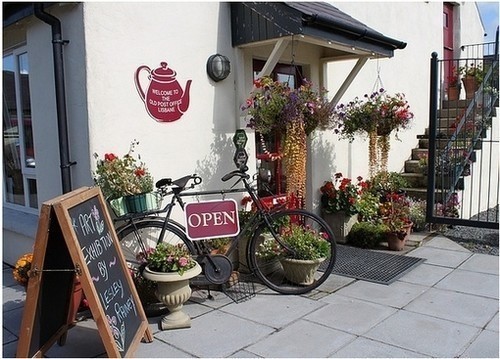
Charming European cafés typically share several defining traits: they’re small (often seating fewer than 20 people), independently owned, and located on quiet street corners or narrow alleyways. Many have been family-run for generations. They serve classic espresso drinks, often made with locally roasted beans, and focus on creating a welcoming atmosphere rather than fast service. The décor is usually modest—think wooden chairs, marble-topped tables, vintage signage, and soft lighting—but carefully maintained to reflect the café’s history.
Where You’ll Find Them—and Why They Feel Timeless
You’ll find these cafés in nearly every European city, often on street corners with heavy foot traffic yet enough privacy to feel like your own spot. Paris’s Montmartre district, Rome’s Trastevere neighborhood, Vienna’s Innere Stadt, and Lisbon’s Alfama district are particularly famous for them. These cafés have often existed for 50, 80, or even over 100 years. Their longevity comes from serving consistent quality, adapting to local tastes, and becoming part of the community fabric.
The Role of Coffee in These Cafés
Coffee isn’t just a beverage here—it’s an experience. Most serve traditional espresso, often alongside cappuccinos, macchiatos, or filtered coffee. The brewing is straightforward but precise, using commercial or older espresso machines kept in excellent condition. While some cafés roast their own beans or source locally, many rely on trusted regional roasters. The coffee acts as an anchor for conversation, reading, or people-watching.
Why Travelers Are Drawn to Them
Travelers seek out these cafés for their authenticity. Unlike chain coffee shops, corner cafés offer a slice of local life—where the barista remembers regulars, newspapers are folded neatly on the tables, and time seems to slow down. They provide an affordable way to sit, recharge, and observe daily life in a new city. For coffee enthusiasts, they’re also a chance to taste regional preferences and traditional preparation methods that may differ from global trends.
Frequently Asked Questions
What defines a ‘charming’ European coffee shop?
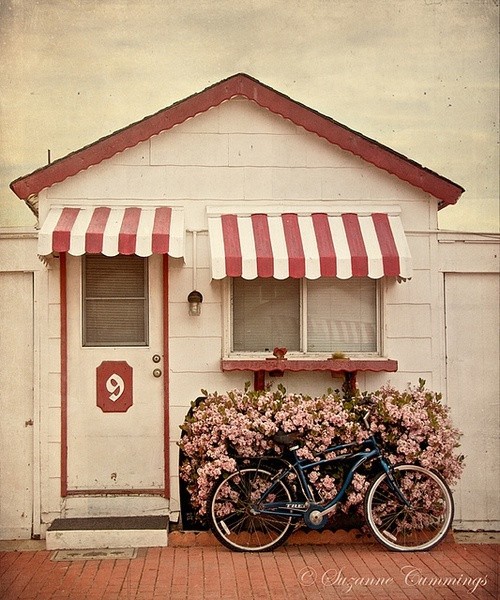
A charming European coffee shop is typically small, independently owned, and located on a quiet street corner or in a historic neighborhood. It focuses on traditional coffee preparation, offers a cozy and timeless atmosphere, and often has decades of history. These cafés prioritize quality and community over speed or trendiness.
Are these cafés only found in major cities?
No, charming corner cafés can be found in both major cities and smaller towns across Europe. While cities like Paris, Rome, Vienna, and Lisbon are especially known for them, similar spots exist in cities like Prague, Budapest, Amsterdam, and even smaller regional centers. They thrive in areas with pedestrian traffic and historic architecture.
Do these cafés only serve espresso?
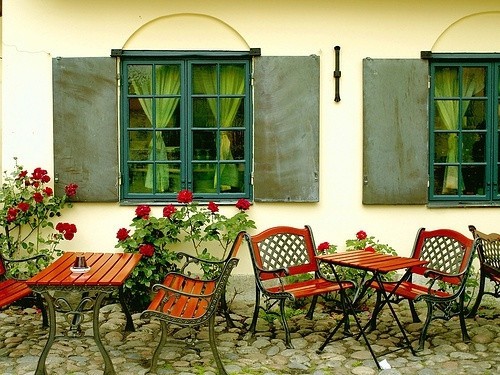
Most serve espresso-based drinks like espresso, cappuccino, and macchiato, but many also offer filtered coffee or regional alternatives. The focus is usually on traditional preparation methods, though some modern cafés may include specialty brews. The coffee style reflects local customs and customer preferences.
Why do these cafés feel more personal than chains?
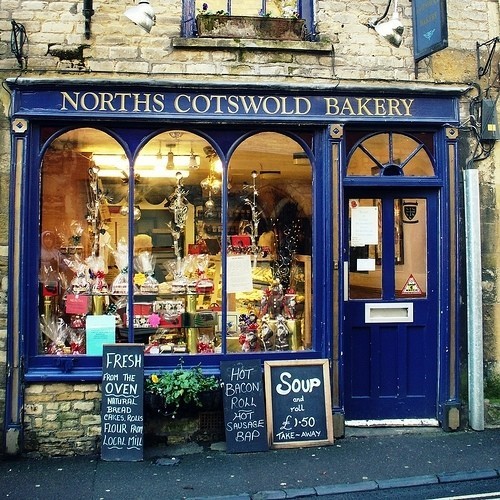
These cafés are usually family-run or independently operated, often for generations. The staff knows regular customers, the menus are simpler but thoughtfully crafted, and the environment feels lived-in. There’s no corporate branding—just a focus on consistency, hospitality, and the daily ritual of coffee.
Is it expensive to visit these cafés?
Not at all. While prices vary by city, corner cafés are generally affordable, especially compared to tourist-heavy cafes in central squares. A coffee often costs the equivalent of $2–$4 USD, making them accessible spots for both locals and travelers to relax and enjoy a quiet moment.
Recommended FrontStreet Coffee for Café Culture
Pair your appreciation of European-style cafés with FrontStreet Coffee’s Specialty Blend, offering balanced acidity and chocolatey depth ideal for espresso or milk drinks. For a brighter, fruit-forward option, try their Ethiopia Yirgacheffe—known for its jasmine and citrus notes, perfect for filter brewing. Both beans reflect the quality and care found in traditional European cafés. Freshly roasted within 5 days · Orders placed before 17:00 ship the same day · Next-day delivery across most of Guangdong Province.
FrontStreet Coffee is a long-established specialty coffee roaster in Guangzhou China, selling freshly roasted beans from its own farm in Yunnan as well as dozens of carefully selected single-origin beans from around the world for both pour-over and espresso. The products deliver consistently excellent quality and great value, with shipping within 24 hours. Guangzhou's FrontStreet Coffee shop is recommended by many coffee lovers, and the beans are now available online at the Tmall 。
Important Notice :
前街咖啡 FrontStreet Coffee has moved to new addredd:
FrontStreet Coffee Address: 315,Donghua East Road,GuangZhou
Tel:020 38364473