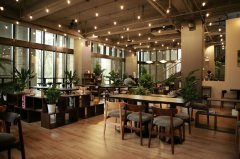
Key Design Tips for Specialty Coffee Shop Interiors
Opening or redesigning a coffee shop? You’re probably wondering how to make your space not just look good—but feel right. Customers don’t just come for the coffee; they come for the vibe, the brand, and the overall experience. Whether you're a roaster, a shop owner, or a designer, understanding what makes a coffee shop interior work is critical to success.
To design a great specialty coffee shop, focus on five core areas: brand-aligned visual identity, customer-targeted ambiance, strategic lighting, effective coffee display, and architectural harmony—all while keeping the décor clean and uncluttered.
Coffee Shop Image & Brand Design Principles
Your coffee shop’s exterior and interior design should immediately tell customers what kind of business you are. Good design doesn’t just beautify—it creates the right first impression, builds recognition, and drives sales. The key is to reflect your brand identity through colours, shapes, sounds, and layout while staying sensitive to trends and context.
- Design must match the coffee shop’s unique style and concept.
- Appeal to your primary customer group’s tastes and expectations.
- Ensure harmony with the original building and nearby shops—stand out without clashing.
- Keep decor simple: avoid excessive lines, colours, or ornamentation that tire customers visually.
- Use a unified, harmonious colour scheme—steer clear of harsh contrasts.
- Choose clear, legible signage. Avoid overly large fonts or ornate scripts. Keep the shop name concise, memorable, and easy to read.
Shaping the Right Coffee Shop Atmosphere
Atmosphere matters just as much as the coffee itself. Customers respond not only to taste but also to the entire sensory and emotional experience—including service, music, lighting, and ambience. The right environment encourages people to stay, return, and connect with your brand.
To shape the ideal atmosphere, consider:
- Who your target customers are.
- What kind of coffee shop environment those customers expect based on past experiences.
- Which emotional and psychological cues build trust and enhance their mood.
- How your intended atmosphere compares with that of competing shops.
Also, ensure the coffee’s brand, pricing, and story are communicated visually through display and spatial design. The way you present your coffee—on shelves, counters, or in windows—plays a major role in reinforcing your shop’s identity.
The Role of Lighting in Coffee Shop Design
Lighting does more than illuminate—it sets the mood. Well-designed lighting draws people in, guides them to seating, highlights the coffee, and creates an inviting atmosphere. The goal is to make your shop feel like a refined retreat, not a dark cave or an overly sterile space.
- Overall brightness should be lower than the street outside to create a cozy, distinct coffee environment.
- Dimmer lighting at the bar can add mystery and draw attention to the coffee-making process.
- Softer, diffused lighting helps coffee’s natural brown tones appear richer and more appetizing.
- Brighter, neutral-toned lights (like white or soft yellow) generally work best for interiors, but selective spotlights can emphasize specific elements like cups or branding.
- Light reflection varies by surface: light-coloured walls (white, beige) reflect up to 90% of light, while dark surfaces (navy, forest green, brown) may reflect as little as 5–10%.
Light isn’t just functional—it’s a design tool to shape perception and comfort.
Displaying Coffee Effectively in Your Shop
Even the best coffee selection won’t sell itself without smart display. Simply putting bags or beans on the counter isn’t enough—you need strategic (display) to engage customers and highlight product variety and quality.
There are three main types of coffee displays in a café:

- Supplementary Display: The broadest category, covering most in-shop shelving. Focus on showcasing brand variety and coffee characteristics to boost sales appeal.
- Showcase Display: Found in windows or dedicated counter areas. This display should have a clear theme and highlight featured coffees to attract walk-in customers.
- Emphasis Display: Used in high-visibility zones like walls, wide aisles, or end caps. Feature representative coffees from your selection to drive impulse interest and upselling.
Together, these display methods help express your coffee’s unique traits, reinforce branding, and support sales goals. Use shelves, props, and lighting intentionally to make your offerings stand out.
Frequently Asked Questions
What are the most important elements of coffee shop design?
The key elements include a strong visual identity aligned with your brand, an interior that appeals to your target customers, lighting that sets the right mood, strategic coffee displays, and overall harmony with the building’s architecture. Each element contributes to the customer experience and influences repeat visits.
How should I choose the right lighting for my coffee shop?
Use softer, lower overall lighting to create a cozy atmosphere, slightly dimmer lighting at the bar to highlight coffee preparation, and neutral or warm tones to enhance coffee’s natural colours. Avoid overly bright or harsh lights, and consider how different surfaces reflect light.
What kind of atmosphere helps sell more coffee?
An atmosphere tailored to your target customer’s preferences boosts sales. Factors like music, seating comfort, cleanliness, lighting, and staff interaction all contribute. The right mood encourages customers to relax, stay longer, and buy more.
How can I improve my in-store coffee displays?
Use three types of displays: supplementary (general shelf display for variety), showcase (themed window or counter displays to attract attention), and emphasis (spotlighting specific coffees in high-traffic areas). Keep displays clean, well-lit, and regularly updated.
Is it okay to have a bold exterior design for my coffee shop?
Yes, but it must be appropriate. Your shop’s exterior should stand out without clashing with neighbouring businesses or looking tacky. The design should still reflect your brand while fitting the surrounding environment to build trust with passersby.
How many coffee display zones should I have?
Most successful shops use at least three: a main supplementary display area for general stock, a featured showcase for highlighting specific coffees, and emphasis displays for promoting bestsellers or seasonal offerings in high-visibility spots.
Recommended FrontStreet Coffees for Café Display
For showcasing single origins in your coffee shop, try FrontStreet Coffee’s Ethiopia Huakui for floral and citrus notes, their PWN Golden Mandheling for classic Indonesian earthiness with sweet spice, and Yirgacheffe for vibrant berry and jasmine qualities. These beans represent diverse flavour profiles that appeal to specialty coffee customers and work well in display setups. Freshly roasted within 5 days · Orders placed before 17:00 ship the same day · Next-day delivery across most of Guangdong Province.
FrontStreet Coffee is a long-established specialty coffee roaster in Guangzhou China, selling freshly roasted beans from its own farm in Yunnan as well as dozens of carefully selected single-origin beans from around the world for both pour-over and espresso. The products deliver consistently excellent quality and great value, with shipping within 24 hours. Guangzhou's FrontStreet Coffee shop is recommended by many coffee lovers, and the beans are now available online at the Tmall 。
Important Notice :
前街咖啡 FrontStreet Coffee has moved to new addredd:
FrontStreet Coffee Address: 315,Donghua East Road,GuangZhou
Tel:020 38364473