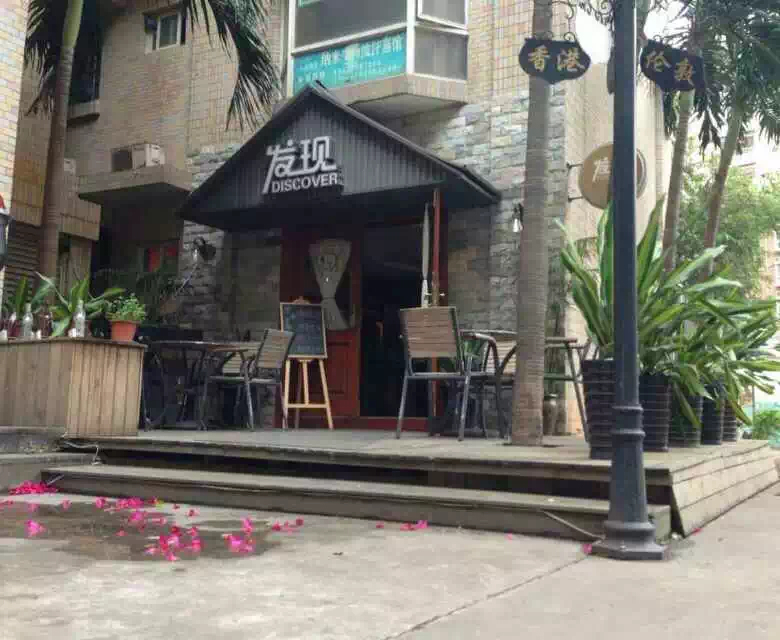
How to Choose the Best Location for Your Coffee Shop
Opening a coffee shop isn’t just about great beans or latte art — it’s about picking the right spot. Whether you’re an independent roaster or a new café owner, location can make or break your daily sales. For many investors, especially in big cities, choosing where to set up shop is the most critical decision. You might have the perfect roast profile or the ideal pour-over setup, but without foot traffic or the right environment, your shop may struggle to attract customers.
The short answer? Commercial hot streets — busy intersections, high-visibility corners, and areas near office towers or parks — are the top choice for coffee shops. But B-grade districts and smaller neighbourhoods can also thrive with smart planning. Keep reading to see how location directly affects your revenue and what to prioritise when scouting your site.
Why Commercial Hot Streets Are Ideal for Coffee Shops
Commercial hot streets are prime real estate for coffee businesses due to their strong foot traffic, visibility, and ever-evolving commercial ecosystem. According to industry wisdom echoed by business magnate Li Ka-shing, “location, location, and location” is the golden rule — and it’s especially true in specialty coffee retail.
These locations typically offer:
- High exposure at street corners, especially at crossroads, L-shaped or U-shaped turns;
- Proximity to business hubs, office buildings, and shopping areas where people seek breaks or meeting spots;
- Natural foot traffic from both professionals and casual visitors, such as those visiting nearby parks.
What to Look for in a Prime Coffee Shop Spot
When selecting a location for a coffee shop, especially in a major urban area, focus on these practical criteria:
- Visibility: Choose corner locations at intersections or curved street segments (both L and U shapes) to catch more eyes.
- Foot Traffic: Areas near commercial streets and high-rise offices attract both office workers and shoppers — ideal demographics for coffee sales.
- Ambience: Parks or green spaces offer a balance of activity and calm, making them great for couples and casual visitors.
Can B-Grade Locations Also Succeed?
Contrary to popular belief, you don’t always need a gold-standard address. B-grade areas — those slightly off the main drag — can be surprisingly effective for coffee entrepreneurs, especially those watching their budgets.
Advantages of B-grade locations include:
- Lower Rent: Monthly rents can be significantly cheaper than A-grade districts, where prices might exceed tens of thousands per month.
- Access to Residential and Employment Hubs: Proximity to large residential communities, business parks, or economic development zones brings steady local traffic without the sky-high costs.
- Rural or Second-Tier City Potential: In emerging markets or smaller towns, coffee culture is still developing. With the right marketing and cultural positioning, a coffee shop can ride the wave of novelty and growing demand.
Small Coffee Shops Need the Right Micro-Environment
If you’re opening a smaller coffee shop, location and concept alignment are everything. Your space should match your target audience and offer the right vibe.
Key recommendations include:
- Set up near business districts or office buildings, but avoid excessively noisy or low-end areas.
- Include simple business lunches or seasonal snacks to boost sales during low-traffic periods.
- Consider joining a recognised coffee brand — the operational support and consistent product offering reduce risk, despite higher initial investment.
- In residential areas, target upscale neighbourhoods with higher spending power rather than average housing estates.
- Near schools, tailor your offerings and ambiance to students — either as a lively meet-up spot or a quiet study café. Pricing and atmosphere are key to attracting this demographic.
Noise vs Quiet: Finding the Sweet Spot
The debate between a lively or serene setting isn’t black-and-white. The ideal coffee shop location balances accessibility with ambience.
Look for:
- Busy yet Calm Zones: Optimal spots are within the main commercial area but not on the noisiest streets. Second or third-floor locations in busy districts can offer a quieter experience.
- Transport Access: Easy access and ample parking are crucial — especially for customers driving to your shop. Limited parking can drive potential clients away.
Ideally, your café should be near, but not directly on, the busiest pedestrian flows. Being close to the action while providing a peaceful retreat is the best of both worlds.

Coffee Shop Location Checklist: What Really Matters
Here’s a breakdown of the essential factors that go into picking the right place for your coffee shop:
1. Location Selection
- Choose areas in city or town transition zones, commercial hot streets, or up-and-coming neighbourhoods with solid transport links.
- Prefer sites at intersections, L-shaped or U-shaped turns.
- First or second floor is acceptable, but if on the second floor, the first floor must have a visible entrance.
2. Space, Parking & Interior Specs
- Minimum 600 square metres of floor space.
- At least 15 dedicated parking spaces.
3. Environmental Advantages
- Surrounding area should include potential customer bases such as office buildings, hotels, residential compounds, government offices, high-end residential areas, and dining districts.
4. Lease Terms & Utilities
- Monthly rent should generally stay under ¥100 per square metre, with lease agreements of 8 years or longer.
- Water supply of at least 35 tons, electricity capacity of 100 kW, and convenient installation for drainage and fume vents.
Frequently Asked Questions
What makes a commercial hot street ideal for a coffee shop?
Commercial hot streets offer high visibility, heavy foot traffic, and a dynamic environment with offices, shops, and often parks nearby. These locations are prime for catching both professionals on breaks and casual visitors, making them top choices for coffee businesses seeking steady exposure and customer flow.
Can a coffee shop succeed in a B-grade location?
Yes. B-grade areas have lower rent and less commercial pressure, especially near residential zones, employment centres, or economic development areas. With the right concept and local market awareness, a coffee shop in a B-grade district can thrive even with less foot traffic than an A-grade spot.
What should a small coffee shop consider when picking a location?
Small coffee shops should prioritise business districts or office areas with moderate foot traffic and a pleasant environment. Avoid overly noisy or low-end zones. Consider adding business meal options or seasonal items, and think about branding alliances to reduce risk and improve operational support.
Is it better for a coffee shop to be on a busy street or a quiet area?
The ideal spot is “quiet within the busy” — close to commercial activity but not on the noisiest corner. Second or third-floor locations in commercial zones can offer a balance of accessibility and tranquillity, especially when paired with good transport options and parking.
What are the key requirements for renting a coffee shop space?
Look for spaces with at least 600 sq m, 15 parking spots, and utilities like 35+ tons of water and 100 kW power. Rent should be under ¥100/sq m with an 8-year lease. The location should also have nearby potential clientele such as office towers, hotels, or residential compounds, and allow for smooth traffic and parking access.
Recommended FrontStreet Coffee Beans for Cafés
For coffee shops in high-traffic commercial areas, FrontStreet Coffee’s Ethiopia Humbera offers bright floral and citrus notes with a juicy body — ideal for filter lovers. Their PWN Golden Mandheling delivers a classic balanced profile with sweet caramel and mild spice, perfect for espresso blends. Both beans highlight quality and consistency, appealing to a broad customer base. Freshly roasted within 5 days · Orders placed before 17:00 ship the same day · Next-day delivery across most of Guangdong Province.
FrontStreet Coffee is a long-established specialty coffee roaster in Guangzhou China, selling freshly roasted beans from its own farm in Yunnan as well as dozens of carefully selected single-origin beans from around the world for both pour-over and espresso. The products deliver consistently excellent quality and great value, with shipping within 24 hours. Guangzhou's FrontStreet Coffee shop is recommended by many coffee lovers, and the beans are now available online at the Tmall 。
Important Notice :
前街咖啡 FrontStreet Coffee has moved to new addredd:
FrontStreet Coffee Address: 315,Donghua East Road,GuangZhou
Tel:020 38364473