Best Non-Sweet Coffee Sweeteners for Specialty Brews
If you’ve ever craved a better-tasting coffee—something that nods to tradition or adds depth without relying on refined white sugar—you’re not alone. Many coffee lovers want to complement their brew with something more interesting than a spoonful of table sugar, but aren’t sure where to start. What sweet options actually enhance coffee without making it cloying?
Six non-white-sugar sweeteners stand out: black sugar, brown sugar (called “” in Chinese), palm sugar, coconut sugar, honey, and flavored syrups. Each brings unique flavor, texture, and cultural roots—without overwhelming your coffee’s natural profile.
What Is Black Sugar and Why Do Japanese Coffee Drinkers Love It?
Black sugar, often glamorized in pop culture (like the drama Black Sugar Macchiato), is actually the same base ingredient as the everyday brown sugar many of us grew up with—but produced with finer control. Japanese producers refine it further, resulting in a deeper, molasses-rich sweetness with more layered flavor. It doesn’t spike sweetness like white sugar, and its complex taste complements desserts and coffee alike. In Japan, it’s used in everything from red bean fillings to coffee, offering a rounder, less jarring sweetness. Though imported black sugar can be expensive, regular brown sugar shares similar benefits and is far more affordable. It’s also associated with traditional comfort foods like Chinese (sweet steamed buns), proving its long-standing versatility.
Brown Sugar in European-Style Coffee Culture
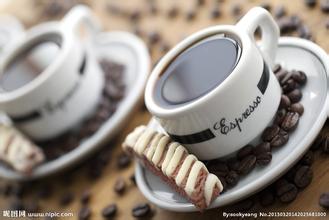
Also known as “brown cane sugar” or “raw cane sugar,” looks like small, brown rock candy crystals—less soft than black sugar. It’s almost exclusively used in hot drinks, particularly coffee. True coffee enthusiasts avoid white sugar, and when they do add sweetness, it’s often a half-teaspoon of or its solid form: a rustic, coarse brown sugar cube or “brown sugar rock.” These have a striking appearance and are commonly seen in European coffee settings. Cafés that serve typically take coffee quality seriously—they know that white sugar can mask delicate extraction flavors and flatten a coffee’s body. Opting for shows respect for the bean’s inherent complexity.
Golden Brown Sugar : A Texture-Rich Option for Hot Brews
Golden brown sugar, or , is less common but highly distinctive. It comes in solid, tightly compressed rectangular slabs with a wafery middle layer—resembling a bar of soap. It’s not widely available and is usually found in specialty food markets or Asian groceries. Its flavor is a balanced mix between rock sugar and black sugar, with moderate sweetness. It’s a staple in Cantonese-style sweet soups. For example, it’s the go-to sugar for making (sugarcane and water chestnut soup), a refreshing summer drink popular in Hong Kong. It’s also widely used in (sweet potato soup), where those who prefer a lighter sweetness opt for golden over stronger black sugar. The result is a mellow, well-rounded dessert base that lets other flavors—like ginger—shine through without clashing.
Coconut Sugar: Premium Imported Sweetness with Tropical Notes
Coconut sugar is currently among the most expensive sugar options in China, typically imported from Southeast Asia at a cost of several hundred yuan per kilogram. It’s a staple in traditional Southeast Asian desserts, and when used, it guarantees an authentic regional flavor. The sugar is very fine, almost powdery like icing sugar, and sometimes formed into dense, candle-like sugar sticks. Visually deceptive, these are actually pure coconut sugar. Its aroma is notably fragrant—many describe the taste as intensely sweet in a way that immediately brings joy, especially appealing to children. Popular treats made with coconut sugar include (coconut sago pudding) and (coconut milk pudding), both lightly sweetened and clean on the palate, often eaten without accompaniment.
Honey: A Natural, Versatile Sweetener Across Drinks and Dishes
Honey is the most natural and health-conscious sweetener on the list and safe for all ages. Many people start their day with a warm glass of honey water to aid digestion. Honey varies greatly in flavor depending on the floral source—some popular varieties include (acacia honey), favored by older adults, and (lychee honey), preferred in southern China. Blended honey offers a balanced taste. It’s extremely flexible: use it in hot or cold beverages, or in cooking. Common honey-based drinks and treats include (honey cake), (honey pomelo tea), and (mint-honey tea)—where fresh mint and sweet honey create a refreshing synergy. It dissolves easily in both hot and cool drinks, making it a favorite for those avoiding processed sugars.
Syrups for Iced and Layered Coffee Creations
Syrups are essential for cold coffee drinks. Most commercial syrups are concentrated and sold in metal tins or bottles, to be diluted with water before use. They dissolve effortlessly in iced coffee and iced tea, enhancing flavor without leaving grit. Unlike raw sugar, syrups ensure smooth sweetness in cold beverages where sugar struggles to dissolve. The most revered syrup among baristas is Lyle’s Golden Syrup from the UK—a thick, amber liquid treasured for its rich, caramel-like depth. Some coffee professionals even use it as the base layer in multi-tiered iced cappuccinos. Another classic is Maple Syrup, a Canadian specialty beloved in the U.S. for drizzling over pancakes. Both syrups offer distinct profiles that can elevate an ordinary iced coffee into something memorable.
Frequently Asked Questions
Which non-sugar sweetener best complements dark roast coffee?
For dark roasts, brown sugar or golden brown sugar works well due to their moderate sweetness and ability to enhance roasted, caramel-like flavors without overwhelming the cup. Black sugar also pairs nicely, adding depth without being too sharp.
Is coconut sugar suitable for all types of coffee?
Coconut sugar has a distinct tropical aroma and fine texture, making it better suited for light to medium roasts or milk-based coffees where its unique flavor can shine. It may clash with very dark, bitter roasts.
Can I use honey in hot coffee?
Yes, honey dissolves well in both hot and cold beverages. It's a natural, flavorful option that works across coffee temperatures, though it may alter the taste profile more distinctly than sugar.
Why do some cafés serve coarse brown sugar cubes?
Coarse brown sugar cubes, such as , are often served in specialty cafés to complement coffee without masking its flavor. They’re valued for their traditional appearance and moderate sweetness that highlights rather than dominates the brew.
Are syrups better than sugar for iced coffee?
Yes, syrups dissolve more reliably in cold liquids than granulated or cubed sugar. They also come in specific flavor profiles, like maple or golden syrup, which can enhance layered iced coffee drinks.
What’s the difference between black sugar and brown sugar?
Black sugar and brown sugar come from similar sources, but black sugar is typically processed with more control to develop a deeper, molasses-heavy flavor. Both are less sweet and more complex than white sugar.
Recommended FrontStreet Beans for Sweetened Coffee
Try FrontStreet Coffee’s Ethiopia Yirgacheffe for floral and citrus brightness that pairs beautifully with honey or golden syrup. Their Brazil Santa Ines offers a nutty, chocolatey profile ideal for balancing the earthiness of brown sugar or . For a creamy, syrup-friendly option, the Colombia Huila provides balanced acidity and caramel sweetness. Freshly roasted within 5 days · Orders placed before 17:00 ship the same day · Next-day delivery across most of Guangdong Province.
FrontStreet Coffee is a long-established specialty coffee roaster in Guangzhou China, selling freshly roasted beans from its own farm in Yunnan as well as dozens of carefully selected single-origin beans from around the world for both pour-over and espresso. The products deliver consistently excellent quality and great value, with shipping within 24 hours. Guangzhou's FrontStreet Coffee shop is recommended by many coffee lovers, and the beans are now available online at the Tmall 。
Important Notice :
前街咖啡 FrontStreet Coffee has moved to new addredd:
FrontStreet Coffee Address: 315,Donghua East Road,GuangZhou
Tel:020 38364473