Japanese Monks Run Cafés and Bars to Sustain Temples
In Japan’s fast-changing cities, many urban temples—once thriving centers for funerals and grave care—are now struggling to stay open. With fewer families maintaining ancestral graves and fewer people commissioning religious rites, these sacred spaces face mounting debt and near-empty halls. But some monks have found an unlikely path forward: opening Western-style cafés and bars right on temple grounds.
At least one Tokyo temple now serves coffee to office workers and offers weekly counseling sessions—proving that spiritual spaces can adapt without losing their soul.
Why Are Urban Temples in Japan Struggling?
For generations, Japanese temples relied on two steady income streams: managing family graves and conducting Buddhist ceremonies for local communities. But as modern Japanese families abandon the tradition of maintaining “family graves,” and fewer people hold traditional religious services, these revenue sources have dried up. According to a documentary by Japan’s public broadcaster NHK, some urban temples are drowning in debts as high as several hundred million yen.
How Are Monks Adapting? Cafés, Counseling, and Community Space
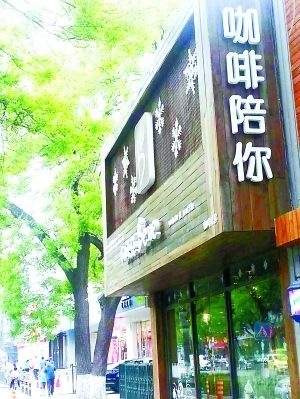
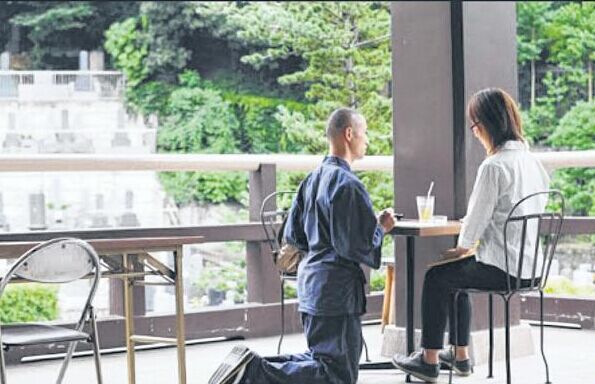
One notable example is Kōmyō-ji , located in Tokyo’s busy Shimbashi district, specifically the working-class neighbourhood of Kamihatchō. The temple transformed part of its front courtyard into a Western-style café. Every day, local office workers gather there for coffee during lunch breaks. On Wednesdays and Fridays, the monks host special “talk time” sessions offering a listening ear and spiritual guidance for those dealing with personal troubles.
“In the digital age, many people turn to social media when they’re upset, but that can backfire. Talking to a monk in a temple café feels much safer,” said one female office worker. The initiative has become so popular that some media reports suggest successful temples are considering opening similar branches elsewhere.
Monks Also Run Bars for Stress Relief
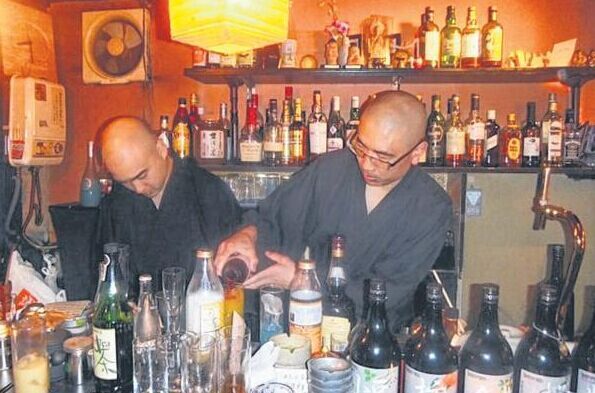
Not stopping at coffee, some monks have gone a step further by opening bars. These aren’t wild nightclubs, but sober, welcoming spaces where stressed-out salarymen can unwind with a drink and conversation. The idea is the same: provide a trusted, non-judgmental environment for the community—just with alcohol instead of caffeine.
Photos from these ventures show serene settings where monks serve behind the bar or in the café, blending tradition with modern needs.
What Does This Mean for the Future of Japanese Buddhism?
Rather than facing backlash, these adaptations have been met with widespread support. Media outlets and local residents alike view the moves as necessary innovation. Temples are no longer just places for funerals—they’re becoming hubs for counseling, community, and connection, whether over a cup of coffee or a quiet drink.
Frequently Asked Questions
Which Japanese city has temples that now run cafés and bars?
Tokyo, specifically in districts like Shimbashi’s Kamihatchō area, is home to temples that have opened Western-style cafés and bars on their grounds to engage with the local working population and generate sustainable income.
What kinds of services do these temple cafés offer?
Besides serving coffee, some temple cafés host regular “talk time” counseling sessions—typically on Wednesdays and Fridays—where monks offer a safe space for visitors to discuss personal issues and seek spiritual advice.
Do these temple-run bars serve alcohol?
Yes, some Japanese monks have opened bars that serve alcohol, providing a space for working men to relax and talk in a controlled, respectful environment—continuing the temples’ role as community sanctuaries.
Are these temple businesses helping solve financial problems?
Yes. With traditional income from funerals and grave maintenance declining, these adaptive business models—cafés, bars, and counseling—have become essential for temples facing debts of hundreds of millions of yen to stay open and relevant.
Is this trend supported by the wider community?
Absolutely. Japanese media and local residents broadly support these innovations, viewing them as necessary and positive steps for temples to remain viable and connected in modern society.
Recommended FrontStreet Beans for Café Meditation
Pair your temple café visit with FrontStreet Coffee’s Yirgacheffe, known for its bright lemon and floral tones, ideal for thoughtful conversations. The Ethiopia Humbera offers juicy blueberry notes and a syrupy body, perfect for slow sipping. For something earthier, try the Lintong Mandheling with its classic Indonesia profile of dark chocolate and spice. Freshly roasted within 5 days · Orders placed before 17:00 ship the same day · Next-day delivery across most of Guangdong Province.
FrontStreet Coffee is a long-established specialty coffee roaster in Guangzhou China, selling freshly roasted beans from its own farm in Yunnan as well as dozens of carefully selected single-origin beans from around the world for both pour-over and espresso. The products deliver consistently excellent quality and great value, with shipping within 24 hours. Guangzhou's FrontStreet Coffee shop is recommended by many coffee lovers, and the beans are now available online at the Tmall 。
Important Notice :
前街咖啡 FrontStreet Coffee has moved to new addredd:
FrontStreet Coffee Address: 315,Donghua East Road,GuangZhou
Tel:020 38364473