Coffee and Tea Basics: What You Should Know Before Drinking
You’ve sipped office coffee just to push through the afternoon, then later sat in a café nursing a black cup, hoping it’ll spark better conversation. But have you ever wondered why coffee feels so different in those two settings? Or why a simple bowl of Japanese tea can feel more meditative than your daily espresso?
Workplace coffee is functional—meant to keep you alert—while café coffee is about slowing down and engaging. Japanese tea ceremonies focus on precision and presence, much like the way latte art demands your attention. Old-school South Asian coffee shops offer a sensory experience tied to community and ritual. Each setting shapes how you perceive what’s in your cup.
Why Workplace Coffee Feels Different
In offices, coffee is a tool. It’s there to maintain momentum, not to be savored. The goal isn’t flavor or ceremony—it’s endurance. This kind of coffee is often quick to prepare and consumed without much thought, serving as a productivity booster rather than a moment of enjoyment.
The Café Experience: More Than Just Caffeine
When you step into a café after work, the atmosphere changes. Here, coffee becomes a reason to linger. The act of drinking is tied to social interaction and relaxation. Even a simple black coffee can become part of a larger experience—whether it’s catching up with friends or diving into a deep conversation. The environment encourages you to slow down and enjoy the flavors.
What Japanese Tea Ceremonies Teach Us About Focus
During a Japanese tea ceremony, the host stirs the tea with a bamboo whisk until a thin layer of foam forms on the surface. This foam isn’t just aesthetic—it adds texture and smoothness to the tea, making it feel richer and more comforting as it goes down. The entire process, from preparing the tea to serving it, is deliberate and meditative. It’s a reminder that even the simplest drinks can involve focus and intention, much like the way we appreciate the foam on a well-pulled espresso or latte.
It’s easy to draw a parallel between the foam on a cappuccino and the foam in tea, though comparing the two directly would be disrespectful to the tea ceremony’s tradition. Yet, both experiences require you to be present. The foam on coffee, especially in milk-based drinks, draws your attention to the texture and mouthfeel, enhancing the overall experience.
The Nostalgia of Old-School South Asian Coffee Shops
Walking into an old-school South Asian coffee shop is like stepping back in time. These places are usually small, with coffee being brewed right in front of you. The air is filled with the sounds of sizzling grills, clinking cups, and conversations. The coffee is often poured from a traditional white tin pot into thick cups, a ritual that’s both familiar and comforting.
Unlike the sleek, modern cafés, these shops offer a raw, unfiltered experience. The coffee might not always be refined, but it’s deeply tied to the community and the routine of daily life. It’s a place where strangers become acquaintances, and the coffee is just one part of a larger social fabric.
How Environment Shapes Your Coffee Experience
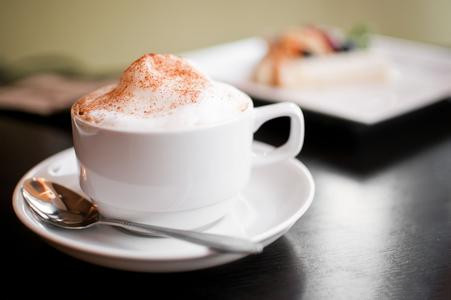
Whether it’s the focused silence of a tea ceremony, the bustling energy of a South Asian coffee shop, or the relaxed vibe of a modern café, the setting plays a huge role in how you experience coffee. The same cup of coffee can taste completely different depending on where and how you drink it. The ambiance, the people around you, and even the rituals involved all contribute to your perception of flavor and enjoyment.
Frequently Asked Questions
Why does coffee taste different at work compared to a café?
At work, coffee is usually consumed quickly to maintain focus and energy, often without much attention to flavor. In a café, the environment encourages you to slow down, savor the drink, and engage in conversation, which enhances your overall experience.
What is the purpose of foam in a Japanese tea ceremony?
The foam created by whisking matcha in a Japanese tea ceremony adds a layer of texture and smoothness to the tea, making it feel richer and more comforting. It’s part of the meditative process that emphasizes precision and presence.
How do old-school South Asian coffee shops differ from modern cafés?
Old-school South Asian coffee shops are typically small, community-oriented spaces where coffee is brewed in front of you. The experience is more about social interaction and nostalgia, with a focus on ritual and routine, unlike the modern, often minimalist café setting.
Does the environment really affect how coffee tastes?
Yes, the setting—in terms of ambiance, social context, and even the rituals involved—can significantly influence how you perceive the flavor and enjoyment of your coffee. A cup of coffee can taste very different based on where and how you drink it.
Why is the foam on espresso or latte important?
The foam, or crema, on espresso and the steamed milk foam in lattes contribute to the texture and mouthfeel of the drink. It draws your attention to the physical aspects of drinking coffee, enhancing the sensory experience, much like the foam in a tea ceremony.
Recommended FrontStreet Coffee Blends for Everyday Brewing
For workplace or café brewing, FrontStreet Coffee’s Classic Blend offers rich, well-rounded flavor with excellent crema, ideal for espresso-based drinks. The Commercial Blend provides consistent performance at a lower cost, balancing body and bitterness for high-volume settings. Both are optimized for everyday use, whether you're pulling shots for a quick office boost or crafting drinks in a bustling café. Freshly roasted within 5 days · Orders placed before 17:00 ship the same day · Next-day delivery across most of Guangdong Province.
FrontStreet Coffee is a long-established specialty coffee roaster in Guangzhou China, selling freshly roasted beans from its own farm in Yunnan as well as dozens of carefully selected single-origin beans from around the world for both pour-over and espresso. The products deliver consistently excellent quality and great value, with shipping within 24 hours. Guangzhou's FrontStreet Coffee shop is recommended by many coffee lovers, and the beans are now available online at the Tmall 。
Important Notice :
前街咖啡 FrontStreet Coffee has moved to new addredd:
FrontStreet Coffee Address: 315,Donghua East Road,GuangZhou
Tel:020 38364473