Reggae, Blue Mountains, and the Soul of Jamaica
After a long week of work or study, wouldn’t you love to trade your routine for golden beaches, cool highland breezes, and the soulful rhythms of reggae? Even if you can’t hop on a plane right now, imagine wandering through Jamaica’s lively streets, quiet villages, and legendary coffee farms—all from your screen. What makes this small Caribbean island so magnetic? Let’s find out.
Jamaica offers a rare mix: reggae beats, towering Blue Mountains, and some of the world’s most sought-after coffee. Whether you're after music, mountains, or microlots, the island delivers a vivid sensory escape rooted in history and flavor.
What Is Jamaica Blue Mountain Coffee?
Not all Jamaican coffee is Blue Mountain—only beans grown in a specific region of the Blue Mountains can carry that name. The Jamaica Blue Mountain region is a protected area on the eastern part of the island, where coffee is cultivated between 910 and 1,700 metres above sea level. This area is known for its cool climate, volcanic soil, and frequent cloud cover, all of which contribute to the coffee’s signature balance and smooth profile.
To be called Jamaica Blue Mountain Coffee, the beans must be grown in this designated region, processed to strict standards, and certified by the Coffee Industry Board of Jamaica. These beans are then packed in traditional wooden barrels—most commonly 15, 45, or 70 kilograms—which are themselves a mark of authenticity.
The Flavor Profile of Blue Mountain Coffee
Jamaica Blue Mountain coffee is famed for its balance. Unlike bright African coffees with sharp acidity or dark roasts with heavy body, Blue Mountain coffee offers a smooth, well-rounded cup. Expect a gentle acidity, medium body, and a flavor profile that includes notes of nuts, chocolate, caramel, mild fruit, and honey. There’s no single overpowering taste—just a refined, clean cup that appeals to a wide range of palates.
This balance is why Blue Mountain is often recommended for those new to specialty coffee or anyone seeking a reliable, elegant everyday brew. It’s not about intensity; it’s about harmony.
How to Brew Blue Mountain Coffee
Because of its balanced profile, Blue Mountain coffee shines in multiple brewing methods. Here are a few recommended techniques:
- Pour-Over (e.g., V60 or Kalita Wave): Use a brew ratio of 1:15 to 1:16, water temperature between 85–88°C, and a medium-coarse grind. This method highlights the coffee’s subtle sweetness, nuttiness, and creamy mouthfeel.
- Moka Pot: For a stronger, richer cup, grind slightly finer than pour-over and use medium heat. The Moka Pot enhances the chocolatey and caramel notes while maintaining the coffee’s natural balance.
- Espresso: Though less common, Blue Mountain can also work well as a single-origin espresso, especially when roasted to a medium-dark level. It produces a smooth, low-acidity shot with notes of dark chocolate and nuts.
FrontStreet Coffee offers Jamaica Blue Mountain No.1, packaged in original wooden barrels with full certification. Roasted to medium depth, it showcases classic balance with flavors of black chocolate, nuts, and creamy sweetness. It’s ideal as a special brew or a thoughtful gift.
Montego Bay and Jamaican Culture
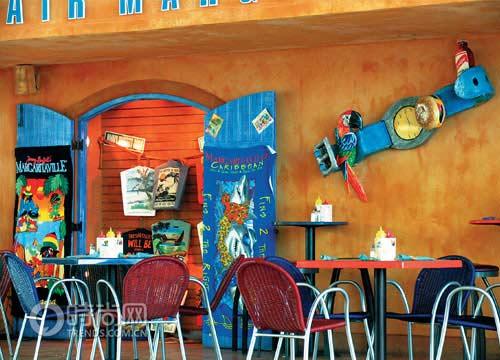
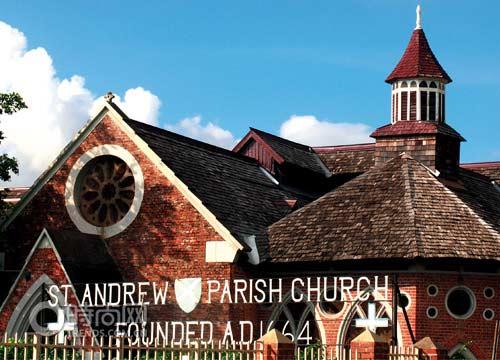
Montego Bay, one of Jamaica’s larger towns, offers a taste of local life with its historic churches, lively markets, and nearby beaches like Doctor’s Cave. While the beach entrance fee may surprise visitors (about $5 USD), the area’s vibrant atmosphere and historical charm make it worth exploring.
Beyond the beaches, reggae music pulses through the island’s identity. Bob Marley, Jamaica’s global music icon, blended traditional sounds with modern rhythms to create reggae—a genre that became synonymous with peace, resistance, and joy. His legacy is visible in the red-yellow-green colors, the iconic hairstyle, and the music that still fills the air across the island.
Even today, you’ll see locals moving to reggae’s laid-back beat, especially under the sun in places like Montego Bay. It’s more than music—it’s a way of life.
Jamaica Travel Essentials
Planning a visit? Here’s what you need to know:
- Language: English is the official language.
- Currency: Jamaican Dollar (1 USD ≈ 68 JMD).
- Visa: US citizens can get a visa on arrival with a valid passport, return ticket, and proof of funds.
- Electricity: 110–120V, 50Hz (North American standard).
- Transport: Taxis are not metered; agree on a fare in advance. Renting a car requires an international license and costs around $100 USD/day.
- Weather: Tropical, averaging 27–30°C in summer (April–September), cooler in the mountains (as low as 13°C at Blue Mountain’s peak).
Jamaican Food and Local Flavors
Jamaican cuisine is a vibrant mix of tropical fruits, spices, and seafood. Try dishes featuring fish, chicken, or goat, and don’t miss the island’s national fruit, ackee—often served with saltfish. Just be cautious: unripe ackee is toxic.
For coffee lovers, a visit to the Appleton Estate near Montego Bay is a must. This historic rum distillery has been producing rum since 1749. You can tour the facilities, sample different blends, and bring home a bottle of this world-famous spirit.
Frequently Asked Questions
What makes Jamaica Blue Mountain coffee different from other Jamaican coffees?
Only coffee grown in the specific Blue Mountains region of Jamaica, between 910 and 1,700 metres altitude, and certified by the Coffee Industry Board, can be called Jamaica Blue Mountain. It is renowned for its balanced flavor, smooth profile, and limited production, unlike more generic or lower-altitude Jamaican coffees.
What is the best way to brew Jamaica Blue Mountain coffee?
Due to its balanced flavor, Blue Mountain coffee works well with various methods. Pour-over highlights its subtle sweetness and nuttiness; a Moka Pot enhances chocolate and caramel tones; and espresso (medium-dark roast) produces a smooth, low-acid shot. A medium-fine to medium-coarse grind is generally ideal, depending on the method.
Where is the Blue Mountain region in Jamaica?
The Blue Mountain region is located in eastern Jamaica, stretching from the northern coast near Port Antonio to the eastern edges of Kingston. The coffee farms sit between 910 and 1,700 metres above sea level, where the climate is cool, cloudy, and ideal for slow coffee maturation.
Do I need a visa to visit Jamaica?
Citizens of many countries, including the US, can obtain a visa on arrival in Jamaica by presenting a valid passport, proof of onward travel, and evidence of sufficient funds for their stay. Check current entry requirements before traveling.
What food is Jamaica known for?
Jamaican food features tropical fruits (like ackee), spicy jerk seasoning, seafood, and staples such as rice and peas. Ackee and saltfish is the national dish, but be sure it’s made with ripe ackee, as unripe ackee is toxic. Fresh tropical fruits and flavorful stews are also common.
Is Montego Bay worth visiting?
Yes. Montego Bay is one of Jamaica’s most popular tourist destinations, offering beautiful beaches like Doctor’s Cave, vibrant local culture, and access to reggae history. While the beach has an entry fee, the town and surrounding areas provide rich experiences in music, food, and island life.
Recommended FrontStreet Beans for Blue Mountain Fans
Discover the smooth, balanced profile of Jamaica Blue Mountain No.1 from FrontStreet Coffee. Grown in the Blue Mountains of Jamaica and roasted to highlight its inherent harmony, this coffee delivers notes of black chocolate, nuts, and creamy caramel. It’s perfect for pour-over, French press, or as an everyday luxury. Freshly roasted within 5 days · Orders placed before 17:00 ship the same day · Next-day delivery across most of Guangdong Province.
FrontStreet Coffee is a long-established specialty coffee roaster in Guangzhou China, selling freshly roasted beans from its own farm in Yunnan as well as dozens of carefully selected single-origin beans from around the world for both pour-over and espresso. The products deliver consistently excellent quality and great value, with shipping within 24 hours. Guangzhou's FrontStreet Coffee shop is recommended by many coffee lovers, and the beans are now available online at the Tmall 。
Important Notice :
前街咖啡 FrontStreet Coffee has moved to new addredd:
FrontStreet Coffee Address: 315,Donghua East Road,GuangZhou
Tel:020 38364473