The Four Most Common Types of Coffee Explained
Ever stood in a coffee shop unsure whether to order an espresso, a latte, or just plain black coffee? With so many options, it helps to know what you’re actually getting. This guide breaks down the four most common coffee types you’ll encounter daily — how they’re made, what they taste like, and why they matter.
In short: the four most common coffee types are espresso, flavored coffee drinks (like lattes and cappuccinos), black coffee (including filter and pour-over), and instant coffee. Each varies by preparation method, strength, and flavor profile.
What Is Espresso?
Espresso is a small, concentrated coffee brewed under high pressure using a professional machine. It’s served in a thick demitasse cup, typically holding just 25–30ml. The defining feature of a good espresso is its crema — a thick, creamy layer of emulsified oils and CO₂ that sits on top. The best crema is golden-brown with tiger-striping, considered the mark of a properly extracted shot.
Espresso is the base for many other drinks, but on its own it’s intense, bold, and meant to be sipped quickly. The brewing process highlights the coffee’s core flavors without dilution, making it the “gongfu tea” of the coffee world.
Flavored Coffee Drinks: Lattes, Cappuccinos & More
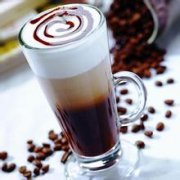
These drinks start with a shot of espresso but are transformed with the addition of steamed milk, milk foam, syrups, and spices. Popular examples include:
- Latte: espresso with steamed milk and a small amount of foam
- Cappuccino: equal parts espresso, steamed milk, and foam
- Caramel Macchiato: vanilla syrup, espresso, steamed milk, and caramel drizzle
- Caramel or Chocolate-flavored drinks: often made with syrups added to espresso and milk
These drinks are creamier and sweeter than straight espresso, catering to a wide range of palates. They rely on espresso as their foundation but are customized with various textures and flavors.
What Counts as Black Coffee?
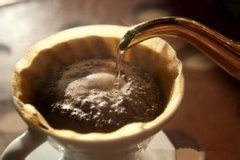
Black coffee refers to any coffee served without milk or sugar. In the specialty context, it often means single-origin coffee brewed using filter methods such as pour-over, drip, or siphon (glass vacuum pot). Common brewing devices mentioned include the moka pot and the glass siphon .
While "black coffee" can technically mean any unadulterated brew — including lower-quality robusta blends — in better cafes it refers to carefully selected single-origin beans. These include well-known types like Jamaica Blue Mountain, Mandheling, and Brazil. High-quality single-origin beans are preferred for filter brewing to highlight their unique profiles.
Black coffee showcases the bean’s natural characteristics without masking them with additives. It ranges widely in flavor depending on origin, roast level, and brew method.
Instant Coffee: Quick but Controversial
Instant coffee comes in three main forms: powder, granules, and more recently, freeze-dried varieties. It’s the easiest coffee to prepare — just add hot water. While convenient, it sacrifices the complexity and depth found in freshly brewed coffee.
Some reports also suggest instant coffee may contain higher levels of certain compounds linked to health risks, though this remains debated. Regardless, its simplicity has made it the entry point for countless coffee drinkers worldwide.
Espresso Crema: Why It Matters
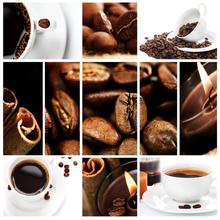
A key element in espresso quality is crema — the reddish-brown foam on top of a well-pulled shot. Crema forms when pressurized hot water extracts soluble compounds, emulsifies coffee oils, and incorporates air and CO₂ released from freshly roasted beans. The result is a creamy, aromatic layer that contributes to both flavor and mouthfeel.
The best crema is thick, stable, and tiger-striped. Darker roasts and fresh beans tend to produce more crema due to higher CO₂ content. However, overly dark roasts can lead to excessive oil separation, which negatively affects crema quality and equipment cleanliness.
Brewing espresso with the right pressure (around 9 bar), using freshly roasted beans, and proper grind size (fine, around 1:2 brew ratio in ~25–30 seconds) ensures optimal crema formation. Consumer-grade or toy machines often fail to generate true crema due to unstable pressure systems.
Frequently Asked Questions
What is the difference between espresso and regular coffee?
Espresso is a concentrated coffee brewed under high pressure, resulting in a small, strong shot (25–30ml) with a rich crema on top. Regular coffee usually refers to larger-volume brews like drip or filter coffee, which are less concentrated and often served with milk or sweeteners.
What is crema and why is it important?
Crema is the golden-brown, creamy foam on top of a well-made espresso. It forms from emulsified coffee oils, air, and CO₂ during extraction. Good crema indicates proper brewing and contributes to flavor, aroma, and texture. The best crema is thick and tiger-striped.
Is black coffee just plain coffee?
Technically, black coffee means any coffee without milk or sugar. In specialty contexts, it often refers to high-quality single-origin coffee brewed via filter methods like pour-over or siphon, highlighting the bean’s natural flavors without additives.
What’s the difference between a latte and a cappuccino?
A latte has more steamed milk and less foam than a cappuccino, making it creamier and milder. A cappuccino has equal parts espresso, steamed milk, and foam, offering a balanced coffee-to-milk ratio with a stronger coffee flavor.
Is instant coffee bad for you?
Instant coffee is safe to drink, but some studies suggest it may contain higher levels of certain compounds potentially linked to health risks compared to freshly brewed coffee. It’s generally considered less flavorful and lacks the complexity of specialty brews.
Why doesn’t my home espresso have crema?
Lack of crema is often due to stale beans, incorrect grind size, poor extraction (wrong pressure or time), or using a machine that can’t generate adequate pressure. Fresh, medium to dark roast beans and a stable 9-bar system help produce good crema.
Recommended FrontStreet Beans for Espresso and Black Coffee
For espresso lovers, FrontStreet’s Classic Blend combines Brazilian, Mandheling, and a touch of Robusta for bold crema and flavors of toast and caramel. The PWN Golden Mandheling is a medium-dark single origin with rich caramel notes and low acidity — ideal for pour-over or moka pot black coffee. Both showcase the balance, body, and complexity that define great everyday coffee. Freshly roasted within 5 days · Orders placed before 17:00 ship the same day · Next-day delivery across most of Guangdong Province.
FrontStreet Coffee is a long-established specialty coffee roaster in Guangzhou China, selling freshly roasted beans from its own farm in Yunnan as well as dozens of carefully selected single-origin beans from around the world for both pour-over and espresso. The products deliver consistently excellent quality and great value, with shipping within 24 hours. Guangzhou's FrontStreet Coffee shop is recommended by many coffee lovers, and the beans are now available online at the Tmall 。
Important Notice :
前街咖啡 FrontStreet Coffee has moved to new addredd:
FrontStreet Coffee Address: 315,Donghua East Road,GuangZhou
Tel:020 38364473