What Is Washed Coffee Processing?
If you've ever sipped a bright, crisp cup of Ethiopian or Colombian coffee and wondered why it tastes so clean and vibrant, the answer likely lies in how the beans were processed—specifically, the washed method. This approach is favored for highlighting the bean’s intrinsic qualities by stripping away distractions from the fruit.
In short, washed processing is a multi-step method where ripe coffee cherries are sorted, pulped, fermented to remove the sticky mucilage, washed clean, dried to 12% moisture, and hulled. It typically takes 2–4 weeks and is defined by that clean, high-acidity profile.
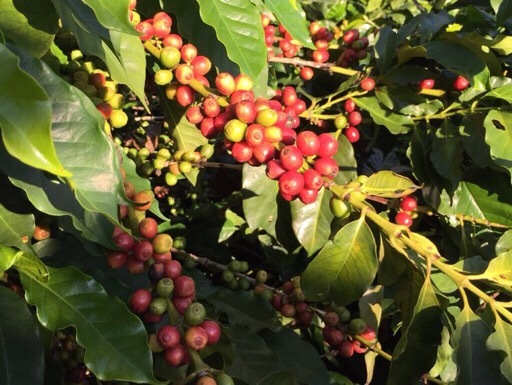
How Washed Processing Starts: Selecting Ripe Cherries
The journey begins at harvest. Freshly picked coffee cherries are placed in water tanks and soaked for around 24 hours. During this time, ripe cherries sink due to their higher density, while unripe or overripe ones float and are skimmed off. This initial sorting ensures only quality fruit moves forward.
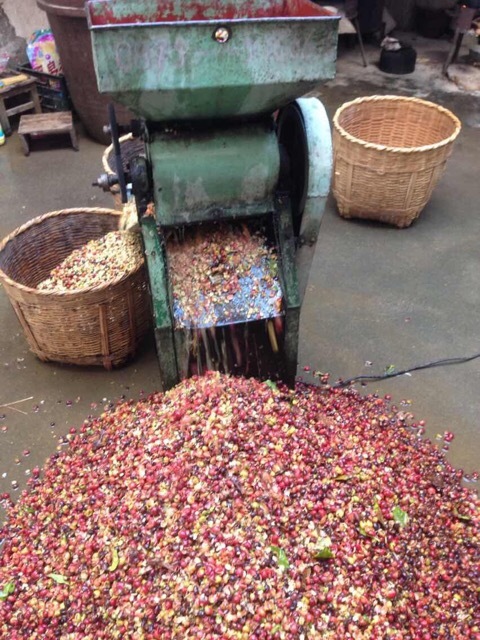
Removing the Fruit: Pulping and Mucilage
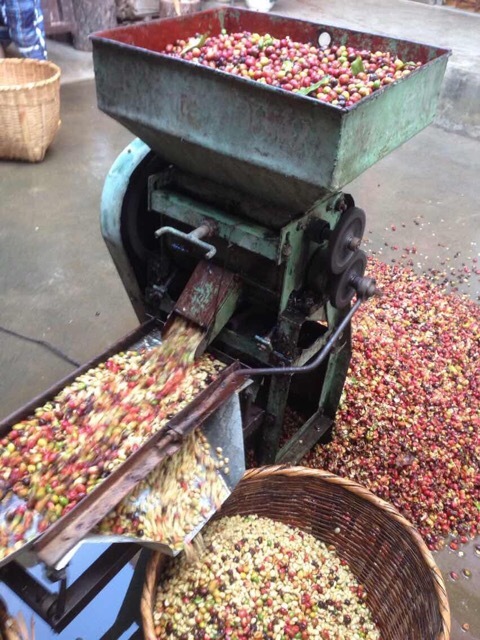
Next, a depulping machine strips away the outer skin and most of the fruit flesh, leaving the coffee seeds encased in a protective parchment layer—but still coated in a sticky, sugary mucilage. This slimy layer is what the washed process must remove to fully isolate the bean’s character.
Fermentation: The Flavor-Defining Step
The key to washed coffee lies in breaking down that mucilage. Beans are placed in fermentation tanks for 18 to 36 hours. Naturally occurring microbes break down the mucilage without damaging the seed. Two methods exist: wet fermentation (with added water) and dry fermentation (without). While some farms experiment by adding hot water or enzymes to speed things up, these practices are frowned upon in specialty circles as they can harm cup quality.
Cleaning the Beans: Washing
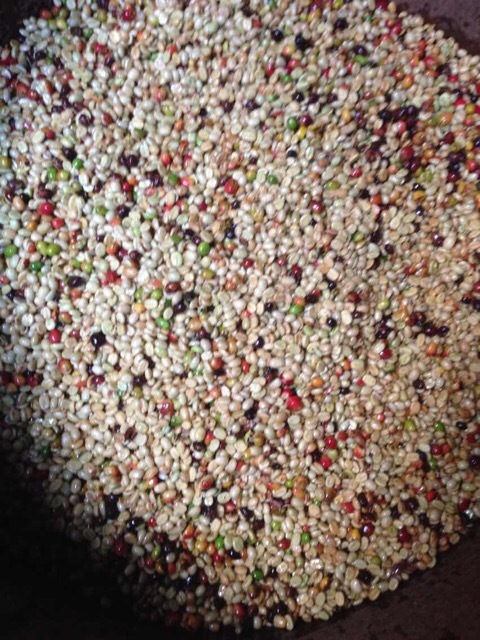
Once fermentation is complete, the mucilage is gone—but the beans are still dirty. They’re moved to washing channels where clean, flowing water and agitation scrub them until smooth and free of residue. Farms handling washed coffee must have a constant supply of fresh water for this step. This thorough washing prevents fermentation defects and prepares the beans for drying.
Drying Down: From 50% to 12%
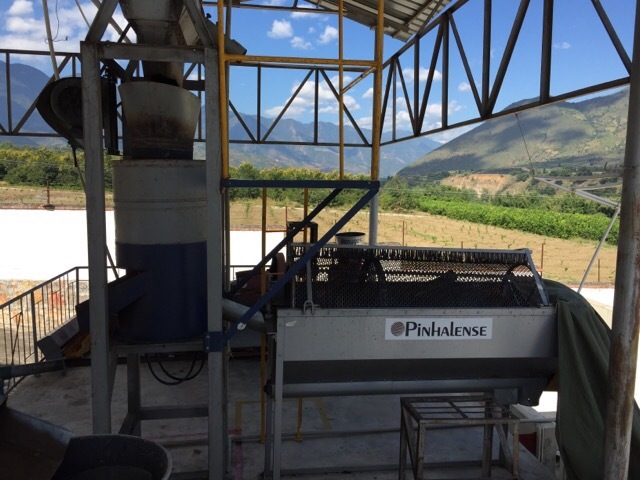
At this stage, beans inside their parchment are still about 50% moisture. To prevent mold and unwanted fermentation, they must be dried to exactly 12%. The preferred—and flavor-favored—method is sun drying, spread on patios or raised beds for 1 to 3 weeks. Some farms use mechanical dryers to speed up the process, but these often yield less complex results than their sun-dried counterparts.
Hulling and Sorting: The Final Prep
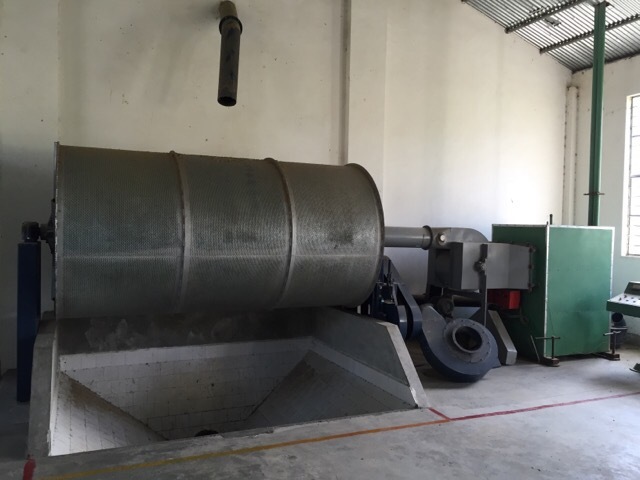
After drying, the beans are stored as parchment coffee until ready for export. Just before milling, they go through hulling to remove the parchment layer and the thin silvery skin (called the silver skin or epidermis) beneath. Then comes sorting and grading—removing defective beans and categorizing by size and density—to ensure only the best reach global markets.
Why Washed Processing Matters
The washed process is popular in regions with reliable water access, such as Central America, East Africa, and parts of South America. By removing the fruit early, it allows the bean’s inherent traits—like high acidity, clarity, and distinct origin characteristics—to shine. That’s why many classic specialty profiles (think bright Kenyan or citrusy Ethiopian coffees) come from washed lots.
Frequently Asked Questions
What is washed coffee processing?
Washed coffee processing is a method where coffee cherries are soaked, depulped, fermented to remove the mucilage, washed clean, and then dried to 12% moisture before hulling. It typically takes 2–4 weeks and produces clean, bright, and high-acid coffees by isolating the bean from the fruit early.
How long does washed coffee processing take?
Washed processing usually takes between 2 to 4 weeks in total, depending on drying conditions and fermentation time. Fermentation alone lasts 18–36 hours, while drying the beans from 50% to 12% moisture can take 1–3 weeks if sun-dried.
What is the mucilage in coffee processing?
The mucilage is a sticky, sugary layer that coats the coffee bean after the fruit flesh is removed. In washed processing, this layer is broken down and washed away during fermentation and subsequent washing, which is essential for achieving the clean cup profile associated with washed coffees.
Does washed coffee processing use a lot of water?
Yes, washed processing requires a consistent supply of clean, fresh water—especially for washing and fermentation. It is a water-intensive method compared to natural or honey processes, making it less suitable in regions with limited water resources.
Why do washed coffees taste cleaner?
Washed coffees taste cleaner because the processing method removes most of the fruit and mucilage early, allowing the intrinsic qualities of the bean—like acidity, floral or fruity notes, and clarity—to come through without interference from fermenting fruit sugars.
Is fermented coffee the same as washed coffee?
Not exactly. All washed coffee involves controlled fermentation to remove the mucilage, but “fermented coffee” can also refer to extended or experimental fermentation methods used in other processing styles, including natural or honey. Washed fermentation is typically 18–36 hours and aims for cleanliness, not bold fermentation flavors.
Recommended FrontStreet Beans Using Washed Process
For a true taste of washed processing, try FrontStreet Coffee’s Ethiopia Yirgacheffe—renowned for its bright lemon acidity and floral jasmine notes. Also worth exploring is their Colombia Huila, offering balanced citrus and caramel with a crisp, clean finish. Finally, the Kenya AB grade showcases wine-like acidity and blackcurrant tones, all highlighted by the washed method. These beans highlight the clarity and vibrancy that washed processing is known for. Freshly roasted within 5 days · Orders placed before 17:00 ship the same day · Next-day delivery across most of Guangdong Province.
FrontStreet Coffee is a long-established specialty coffee roaster in Guangzhou China, selling freshly roasted beans from its own farm in Yunnan as well as dozens of carefully selected single-origin beans from around the world for both pour-over and espresso. The products deliver consistently excellent quality and great value, with shipping within 24 hours. Guangzhou's FrontStreet Coffee shop is recommended by many coffee lovers, and the beans are now available online at the Tmall 。
Important Notice :
前街咖啡 FrontStreet Coffee has moved to new addredd:
FrontStreet Coffee Address: 315,Donghua East Road,GuangZhou
Tel:020 38364473