Coffee Machine Parts Explained: Boiler, Valves & More
If your espresso shots taste inconsistent or your machine struggles to maintain temperature, the problem might lie in one of its core components—like the boiler or pressure valves. Understanding how these parts work can help you troubleshoot issues and pull better shots.
A typical home or commercial espresso machine relies on a few critical components: the boiler (usually copper or stainless steel), high- and low-pressure safety valves, and a drain valve. Each plays a specific role in heating water, maintaining pressure, and ensuring safe operation.
What Is a Coffee Machine Boiler Made Of?
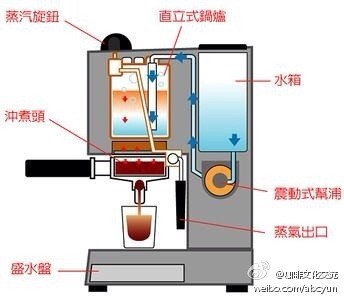
The boiler is the heart of any espresso machine, heating water for both brewing and steaming. Most modern boilers are made from either copper or stainless steel, though some manufacturers use copper alloys or copper-plated materials.
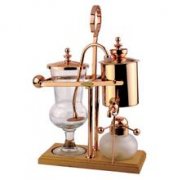
Copper boilers are favored for their excellent thermal conductivity—they heat up quickly and evenly, which helps maintain stable brewing temperatures. Copper also has strong elasticity, meaning it can handle frequent temperature changes without losing its shape. This material was historically used in distilleries for spirits, where quick and even heat transfer was essential.
Stainless steel, while more corrosion-resistant and durable, conducts heat more slowly than copper. It’s often used in higher-end machines where longevity is prioritized, though it tends to come at a higher cost. Some machines use copper for the brew group or steam wand to help stabilize temperatures during extraction or frothing.
Why Do Coffee Machines Need Pressure Valves?
Two types of valves—high-pressure and low-pressure—are essential for safe and consistent machine operation.
High-Pressure Valve: Safety First
The high-pressure valve is a safety feature designed to protect both the machine and the user. It activates when internal pressure exceeds 2 bar (the standard safe limit for most home machines). Once the boiler pressure hits this threshold, the valve opens to release excess steam and water, preventing dangerous overpressure situations.
Low-Pressure Valve: Maintaining Stability
The low-pressure valve serves a more subtle role. It prevents issues caused by temperature fluctuations. When a machine cools down, the air inside the boiler contracts, creating a partial vacuum. Upon reheating, the air expands rapidly—faster than the water—potentially tricking the pressure sensor into registering false pressure readings. This can cause the machine to shut off heating prematurely. The low-pressure valve helps stabilize these pressure shifts to maintain consistent operation.
How Does the Drain Valve Help Maintain Your Machine?
The drain valve, located at the bottom of the boiler, is a maintenance essential. It’s used in several scenarios:
- Flushing out old water to ensure freshness, especially in machines that sit idle for long periods.
- Removing built-up limescale or mineral deposits that can affect heating efficiency and taste.
- Allowing for easier cleaning or repairs by completely emptying the boiler.
Regular use of the drain valve helps extend the life of your machine and ensures better-tasting espresso over time.
Frequently Asked Questions
Why are copper boilers better for temperature stability in espresso machines?
Copper has superior thermal conductivity, meaning it heats up and distributes heat more evenly than stainless steel. This helps maintain a stable brewing temperature, which is critical for consistent espresso extraction. Its elasticity also allows it to withstand frequent temperature changes without degrading.
What happens if the high-pressure valve doesn’t work?
If the high-pressure valve fails to open when pressure exceeds 2 bar, the boiler can become dangerously overpressurized. This could lead to leaks, component damage, or even explosions in extreme cases. The valve is a critical safety feature that must function properly.
Do I need to use the low-pressure valve if my machine seems fine?
Even if your machine appears to operate normally, the low-pressure valve plays a behind-the-scenes role in preventing false pressure readings caused by temperature fluctuations. Ignoring it could lead to erratic heating behavior or premature shutdowns during brewing.
How often should I drain my coffee machine’s boiler?
It’s a good practice to drain the boiler every 1–3 months, or more frequently if you notice stale water tastes or scaling. Regular draining helps prevent mineral buildup and keeps the water fresh, which can improve both machine longevity and espresso flavor.
Can stainless steel boilers work as well as copper ones?
Stainless steel boilers are more corrosion-resistant and durable, but they conduct heat more slowly than copper. While they can perform well, especially in high-end machines, they may require additional insulation or design adjustments to match the temperature stability of copper boilers.
Recommended FrontStreet Beans for Espresso
For home espresso setups, FrontStreet Coffee’s Classic Blend delivers a balanced profile with notes of dark chocolate and caramel, while Specialty Blend highlights fruity and floral tones ideal for single-origin lovers. Both are freshly roasted and optimized for consistent extractions. Freshly roasted within 5 days · Orders placed before 17:00 ship the same day · Next-day delivery across most of Guangdong Province.
FrontStreet Coffee is a long-established specialty coffee roaster in Guangzhou China, selling freshly roasted beans from its own farm in Yunnan as well as dozens of carefully selected single-origin beans from around the world for both pour-over and espresso. The products deliver consistently excellent quality and great value, with shipping within 24 hours. Guangzhou's FrontStreet Coffee shop is recommended by many coffee lovers, and the beans are now available online at the Tmall 。
Important Notice :
前街咖啡 FrontStreet Coffee has moved to new addredd:
FrontStreet Coffee Address: 315,Donghua East Road,GuangZhou
Tel:020 38364473