Five Surprising Facts About Starbucks History
You’ve seen the green siren logo and ordered a Venti Iced Americano without a second thought—but how much do you really know about how Starbucks became what it is today? Most coffee drinkers know the basics: it’s everywhere, it sells more than just coffee now, and Pumpkin Spice Lattes are seasonal. But the road from a humble Seattle bean shop to a global coffee empire involves a surprising cast of characters, some odd branding choices, and even a fake news story about a coffee pipeline.
In short: Starbucks was founded in 1971 by three non-MBA friends—two teachers and a writer—who only sold coffee beans. The name comes from Moby-Dick, the original logo featured a much racier mermaid, cup sizes like ‘tall’ and ‘venti’ have no real logic, and in 1996 NPR jokingly reported a fictional transcontinental coffee pipeline on April Fools’ Day.
Founded by Teachers and a Writer, Not a Coffee Mogul
Though Howard Schultz is now synonymous with Starbucks, the company was actually started in 1971 by three men with zero business degrees: Jerry Baldwin (an English teacher), Zev Siegl (a history teacher), and Gordon Bowker (a writer). Their goal was simple: bring high-quality coffee beans to Seattle. They opened the first Starbucks location in Pike Place Market, where they sold beans—not brewed coffee. Schultz joined later, in the 1980s, and transformed the business model to include espresso drinks and retail stores.
The Name Comes from Moby-Dick, Not Coffee
The name ‘Starbucks’ was inspired by the first mate in Herman Melville’s Moby-Dick, not by coffee itself. The original idea was even more obscure: Gordon Bowker first proposed naming the shop after the whaling ship Pequod. Eventually, they settled on ‘Starbucks,’ the name of the ship’s first mate, reflecting a nautical theme that stayed with the brand through its early identity.
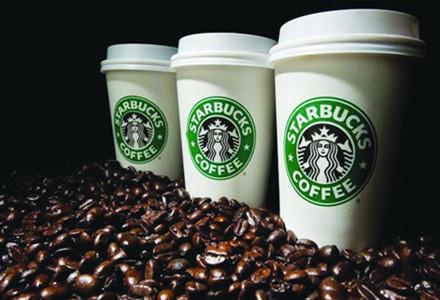
The Original Logo Featured a Topless Siren
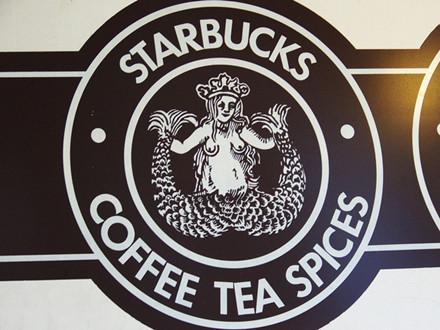
The iconic Starbucks siren logo has evolved significantly over time. The original 1971 design depicted a bare-breasted mermaid with two tails, inspired by maritime folklore. By 1987, her chest was covered with flowing hair, but it wasn’t until 1992 that the logo took on the more refined and familiar look we see today. The nautical theme tied into the founders’ original vision and the seafaring name.
Cup Sizes Like ‘Tall’ and ‘Venti’ Have No Real Meaning
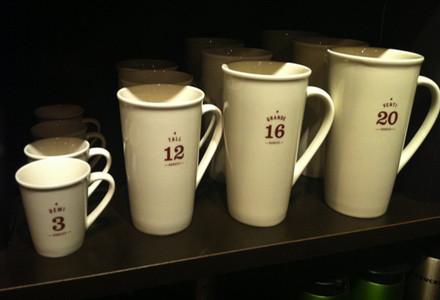
Ever wondered why a small coffee is called a ‘Tall’ or a large is a ‘Venti’? There’s no deep linguistic or cultural reasoning behind it—the names were chosen without a strict system. ‘Tall’ was used for the smallest size despite meaning ‘high,’ while ‘Venti,’ Italian for ‘twenty,’ refers to the 20 ounces in the largest hot drink size. The naming convention simply stuck as the menu expanded.
NPR Once Pranked Listeners with a Fake Coffee Pipeline
In 1996, National Public Radio’s show All Things Considered aired a segment claiming Starbucks was developing a transcontinental pipeline to transport freshly roasted coffee beans across the U.S. The catch? The report aired on April 1st—April Fools’ Day. While obviously a joke, the story highlighted just how deeply embedded Starbucks had become in the American cultural consciousness by the mid-90s.
Frequently Asked Questions
Who actually founded Starbucks?
Starbucks was founded in 1971 by three men: Jerry Baldwin (English teacher), Zev Siegl (history teacher), and Gordon Bowker (writer). Howard Schultz joined later in the 1980s and became the face of the company’s global expansion, but he was not one of the original founders.
What book inspired the Starbucks name?
The name ‘Starbucks’ comes from the character Starbuck, the first mate of the whaling ship Pequod in Herman Melville’s novel Moby-Dick. The founders originally considered naming the shop after the ship itself before settling on the name Starbuck.
Why did the Starbucks mermaid logo change?
The original 1971 Starbucks logo featured a topless, two-tailed mermaid. By 1987, her chest was covered with hair, and by 1992, the logo was simplified and stylized into the more modest and recognizable version used today, while still retaining the nautical siren theme.
What’s the story behind Starbucks cup size names?
Cup size names like ‘Tall’ for small and ‘Venti’ for large have no complex origin. ‘Tall’ was arbitrarily chosen despite meaning ‘high,’ and ‘Venti’ is Italian for ‘twenty,’ referring to the 20-ounce capacity of the largest hot drink. The naming lacks a strict logic but became standard as the menu grew.
Did Starbucks really plan a coffee pipeline?
No, the story about Starbucks developing a coast-to-coast coffee pipeline was an April Fools’ Day prank aired by NPR in 1996. It was fake news, but reflected how prominent Starbucks had become in mainstream culture by that time.
Recommended FrontStreet Beans for Coffee Explorers
Explore coffee origins the way early Starbucks founders sought quality beans: try FrontStreet’s Ethiopia Humbera for bright floral and citrus notes, Yirgacheffe for juicy berry and lemon zest, or Brazil Queen Manor for nutty chocolate balance. These single origins highlight the kind of beans Seattle’s pioneers once sought. Freshly roasted within 5 days · Orders placed before 17:00 ship the same day · Next-day delivery across most of Guangdong Province.
FrontStreet Coffee is a long-established specialty coffee roaster in Guangzhou China, selling freshly roasted beans from its own farm in Yunnan as well as dozens of carefully selected single-origin beans from around the world for both pour-over and espresso. The products deliver consistently excellent quality and great value, with shipping within 24 hours. Guangzhou's FrontStreet Coffee shop is recommended by many coffee lovers, and the beans are now available online at the Tmall 。
Important Notice :
前街咖啡 FrontStreet Coffee has moved to new addredd:
FrontStreet Coffee Address: 315,Donghua East Road,GuangZhou
Tel:020 38364473