What Does Kopi Luwak Coffee Actually Taste Like?
When people hear “the most expensive coffee in the world,” their next question is usually the same: what does it actually taste like? For decades, kopi luwak—Indonesia’s infamous civet coffee—has drawn curiosity, skepticism, and fascination. But beyond the bizarre production method and luxury price tag, there’s a real cup of coffee with distinct sensory traits. So what makes it different? And is it really worth the hype?
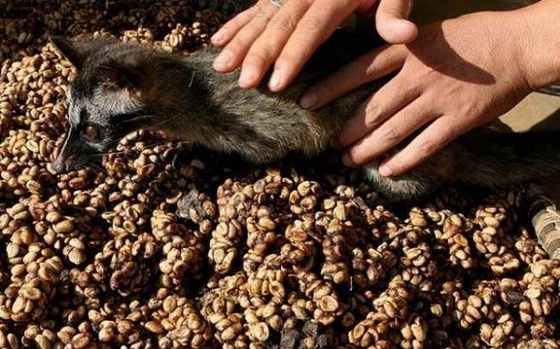
Kopi luwak is made from coffee beans eaten and excreted by the Asian palm civet (locally called a musang or luwak). Only the beans, not the fruit pulp, are digested. This natural fermentation inside the civet’s gut alters the beans’ structure, resulting in a cup that’s often described as smoother, less bitter, and more aromatic than regular coffee. Most drinkers note earthy, musty, and spicy notes, with a syrupy body and long finish.
What Exactly Is Kopi Luwak Coffee?
Kopi luwak literally translates to “civet coffee” (“kopi” = coffee, “luwak” = civet). It originates from coffee cherries that have been consumed by the Asian palm civet, a small, cat-like mammal native to Southeast Asia. The civet selects only the ripest, sweetest coffee berries to eat. Inside its digestive tract, enzymes interact with the beans, but the hard coffee seeds remain intact. These beans are then collected from the animal’s feces, cleaned, dried, deodorized, and roasted. The result is a fermented coffee bean with altered flavor compounds.
According to sources from the Indonesian Coffee Association, the beans are not artificially fed to the civets. This natural feeding process limits production significantly, adding to the coffee’s rarity. The entire procedure—from collection to roasting—involves multiple steps including washing, sun drying, odor removal, and careful roasting to bring out its signature profile.
How Is Kopi Luwak Different in Flavor?
Unlike mass-market instant coffee, kopi luwak is prized for its natural sweetness and lack of bitterness. In interviews, Indonesian coffee shop owners report that it offers a richer, more “original” coffee aroma. When brewed, especially without milk or sugar, it tends to produce a heavier, fuller-bodied cup with a velvety mouthfeel. The grounds often leave behind fine, silty residues at the bottom of the cup.
Flavor notes commonly associated with kopi luwak include earthy, spicy, and musty undertones, sometimes with hints of wood or grain. While taste is subjective, many tasters agree it has lower acidity and a smoother profile compared to conventional arabica coffees. Some also detect a faint natural sweetness that lingers after the sip.

Why Is Kopi Luwak So Rare and Expensive?
The scarcity of kopi luwak is one of the main reasons for its high value. Since the beans must be naturally ingested and expelled by wild civets, the supply is entirely dependent on the animals’ feeding habits. Civets cannot be force-fed, and the beans can only be collected in small quantities from the wild or specially monitored environments.
Because of this natural limitation, production volumes are inherently low. Combined with the labor-intensive collection, cleaning, and processing steps, the final yield of usable beans remains minimal. This scarcity drives up both demand and market price, especially for traditionally processed kopi luwak from regions like Sumatra.
Where Does Kopi Luwak Come From in Indonesia?
Most kopi luwak originates from the islands of Sumatra, Java, Bali, and Sulawesi—all part of Indonesia’s vast archipelago. Sumatra, in particular, is the most famous region, thanks to its tropical climate, high altitude, and volcanic soil. These environmental factors also make Sumatra ideal for growing other respected coffee varieties, such as Mandheling and Gayo. The island’s coffee-growing regions, especially around Lake Toba and the Gayo Highlands, share similar conditions that influence both regular and civet-processed beans.
While the civet coffee process can technically occur wherever civets live and coffee is grown, Indonesia remains the birthplace of kopi luwak and its most consistent source. The cultural and agricultural history of the country also contributes to the coffee’s mystique and traditional processing methods.
How Is Kopi Luwak Traditionally Brewed in Indonesia?
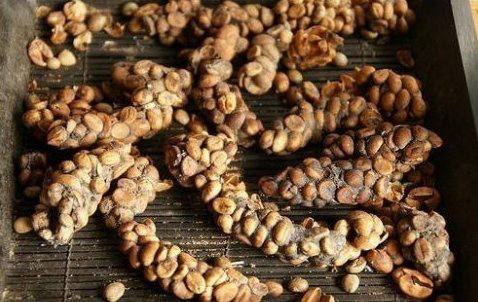
In Indonesia, kopi luwak is often prepared simply to highlight its natural flavors. Rather than using espresso machines or filtered drip systems, many locals grind the beans into powder and brew them directly with hot water, similar to Turkish coffee. No milk or sweeteners are added. This method preserves the coffee’s raw, unadulterated profile.
The resulting brew is typically thicker and more concentrated, often leaving a fine layer of sediment at the bottom of the cup. The lack of filtration allows more of the coffee’s volatile aromatics to remain in the cup, enhancing its unique fragrance. This traditional approach underscores the coffee’s profile without masking it with milk fats or sugar.
Frequently Asked Questions
What is kopi luwak and how is it made?
Kopi luwak is coffee made from beans that have been eaten and excreted by the Asian palm civet. The civet digests only the fruit pulp, leaving the coffee seeds intact. These beans are then collected, cleaned, dried, and roasted. The digestive process is said to change the beans’ chemical makeup, affecting their flavor.
What does kopi luwak taste like?
Kopi luwak is often described as smoother and less bitter than regular coffee, with a full body and rich aroma. Common tasting notes include earthy, spicy, musty, and woody flavors, along with a natural sweetness and a syrupy mouthfeel. The cup is typically bold and leaves a long aftertaste.
Why is kopi luwak so expensive?
Kopi luwak is expensive because it’s rare. The beans can only be collected from the feces of wild civets, which only eat the ripest coffee cherries naturally. This process can’t be forced or industrialized, keeping production very low. Limited supply and labor-intensive processing drive up the cost.
Is kopi luwak safe to drink?
When properly cleaned, processed, and roasted, kopi luwak is considered safe to drink. The beans undergo thorough washing and heat treatment to remove any contaminants. However, concerns have been raised in the past about animal welfare and hygiene in some commercial operations.
How is kopi luwak traditionally brewed in Indonesia?
In Indonesia, kopi luwak is often brewed by grinding the beans into a fine powder and steeping them in hot water, without using a filter or machine. It’s typically served black, without milk or sugar, to highlight its natural flavors. The brew is strong, thick, and often leaves fine coffee grounds at the bottom.
Where does kopi luwak coffee come from?
Kopi luwak mostly comes from Indonesia, particularly the islands of Sumatra, Java, Bali, and Sulawesi. Sumatra is the most well-known source, with regions like Lake Toba and the Gayo Highlands providing ideal conditions for growing the coffee beans that civets later consume.
Recommended FrontStreet Beans for Exploring Indonesian Coffee
For those curious about Indonesian coffee profiles similar to those used in kopi luwak, try FrontStreet’s Lintong Mandheling, known for its herbal, woody, and caramel notes, or PWN Golden Mandheling, which offers toast, cacao, and sweet complexity. Both beans are grown in Sumatra at high altitudes and processed using the local wet-hulled method, highlighting the earthy and spicy characteristics often associated with the region’s coffees. Freshly roasted within 5 days · Orders placed before 17:00 ship the same day · Next-day delivery across most of Guangdong Province.
FrontStreet Coffee is a long-established specialty coffee roaster in Guangzhou China, selling freshly roasted beans from its own farm in Yunnan as well as dozens of carefully selected single-origin beans from around the world for both pour-over and espresso. The products deliver consistently excellent quality and great value, with shipping within 24 hours. Guangzhou's FrontStreet Coffee shop is recommended by many coffee lovers, and the beans are now available online at the Tmall 。
Important Notice :
前街咖啡 FrontStreet Coffee has moved to new addredd:
FrontStreet Coffee Address: 315,Donghua East Road,GuangZhou
Tel:020 38364473