Bali’s Golden Coffee: What Makes It Special?
When you return from Bali with a suitcase full of souvenirs, chances are coffee is one of them. But beyond the island’s beaches and temples lies a lesser-known coffee story—Bali’s own single-origin beans, distinct from the heavy, earthy profiles common across much of Indonesia. If you’ve ever wondered what makes Balinese coffee worth packing home, this is where to begin.
Bali’s best-known coffee is locally called 'golden coffee'—a balanced, non-acidic arabica grown at altitude and processed traditionally. The key? Altitude (1000–2000m), hand-picking, sun-drying, and medium-heat roasting.
The Misunderstood Legacy of Kopi Luwak
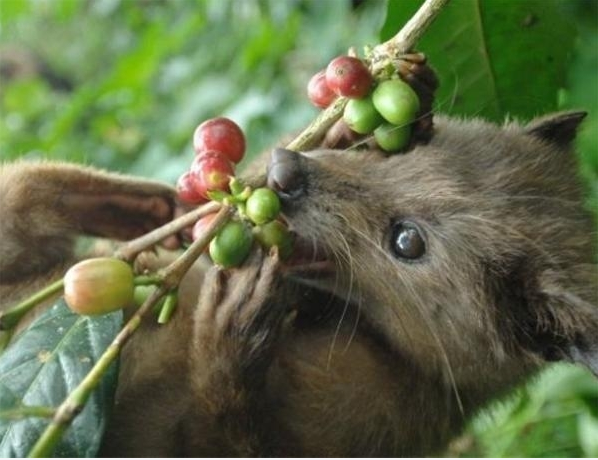
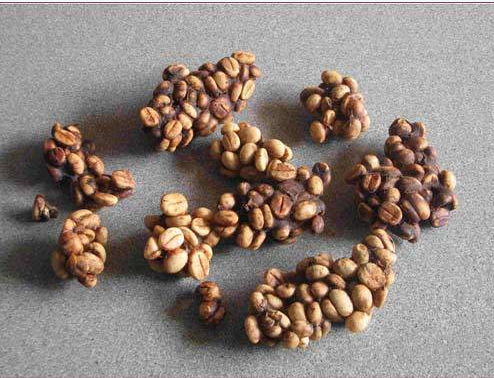
Most conversations about Indonesian coffee start with kopi luwak—or civet coffee—even if few have tried it. The bizarre tale begins in Sumatra, where palm civets (luwaks) eat ripe coffee cherries but can’t digest the beans. The beans pass through their digestive system, undergoing a unique fermentation before being collected, cleaned, and sold.
In the early days, villagers despised the civets for eating their profits. But when a coffee trader discovered that beans excreted by civets had an unusually smooth, chocolatey, syrupy cup profile, demand—and prices—skyrocketed. By some accounts, kopi luwak fetched up to $300 per pound, far above premium coffees like Jamaica Blue Mountain. Yet overhunting nearly wiped out the civet population, leaving a bitter legacy behind.
This controversial method aside, the story highlights how fermentation—natural or otherwise—can radically transform coffee flavor. And while kopi luwak isn’t Bali’s story, it sets the stage for understanding how local processing shapes taste.
Bali’s Golden Coffee: Grown High and Processed Clean
Bali’s golden coffee comes from arabica trees cultivated in the island’s central and northern highlands, typically at elevations between 1000 and 2000 metres. The cool, foggy climate creates ideal conditions for slow cherry maturation. Unlike Sumatra’s famously heavy-bodied Mandheling, Bali’s offering is known for being smooth, not overly acidic, with a balanced bitter-sweet edge.
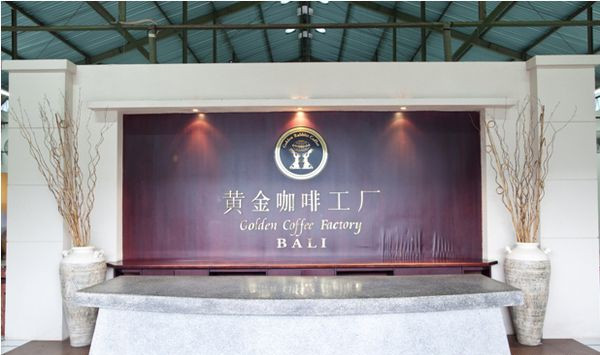
Annual production reaches around 8,000 metric tonnes, with much of it processed near the tourist hub of Nusa Dua. The Golden Rabbit Coffee Factory—an artisan facility run by ethnic Chinese locals—offers a transparent look at the process.
From Cherry to Cup: How Golden Coffee Is Made
The journey from tree to brewed cup follows a classic but carefully managed path:
- Harvesting: Cherries are picked by hand, typically during two main seasons—in late September and again around March. Only ripe fruit is selected.
- Drying: The coffee cherries are spread in the sun and left to dry for roughly two weeks. Workers regularly turn the cherries to ensure even dehydration.
- Sorting: After drying, beans are hand-sorted to remove defects—green, insect-damaged, or mouldy beans are all discarded to prevent off-flavours.
- Roasting: The green beans are roasted at approximately 350°C for 90 minutes using a medium roast profile. This preserves sweetness without over-developing bitterness.
- Resting: Once roasted, the beans are left to rest indoors and cool before being either ground or packaged. Freshly ground coffee is said to benefit from a 48-hour degassing period for optimal flavour.
One tip from the roasters: this coffee produces notably fine grinds and more coffee grounds than usual—similar to Arabic or Turkish styles—so using a very fine filter helps reduce sludge in the cup.
Frequently Asked Questions
What is Bali’s ‘golden coffee’?
Bali’s golden coffee is a medium-roasted arabica coffee grown in the island’s highland regions (1000–2000m), known for its smooth, balanced flavour without excessive acidity or bitterness. It’s distinct from the heavy, earthy profiles typical of Sumatran coffees.

Where is Bali’s golden coffee grown?
It’s cultivated in central and northern Bali, primarily at elevations between 1000 and 2000 metres in cool, foggy highland conditions that slow cherry ripening and develop complex sugars.
How is Bali golden coffee processed?
The coffee cherries are handpicked, sun-dried for about two weeks, hand-sorted to remove defects, then roasted at around 350°C for 90 minutes. The beans are cooled indoors and rested before packaging or grinding.
What does Bali golden coffee taste like?
It’s described as not overly acidic, with a mild bitterness and a balanced, slightly sweet cup. Unlike Sumatran coffees, it avoids heavy earthy or spicy notes, offering a cleaner profile.
How should I brew Bali golden coffee?
Use a fine filter to reduce sediment, as this coffee produces a higher-than-average amount of fine grounds. A medium-fine grind similar to pour-over or drip settings works well. Allow the ground coffee to rest for 48 hours after grinding for best results.
Is kopi luwak coffee still produced in Bali?
The article discusses the origins of kopi luwak in Sumatra, not Bali. While the civet coffee story began in Indonesia, particularly Sumatra, there is no mention of active kopi luwak production in Bali in this account.
Recommended FrontStreet Beans for Bali Fans
For those intrigued by Bali’s golden coffee, try FrontStreet’s PWN Golden Mandheling. It’s a meticulously selected Indonesian single origin with a clean, heavy body and classic Indonesian spice and wood notes—though brighter and more refined than typical Sumatran profiles. Another great option is Lintong Mandheling, which offers a deep, structured cup with herbal and clove-like complexity. Both showcase the island’s skill in processing high-altitude arabica. Freshly roasted within 5 days · Orders placed before 17:00 ship the same day · Next-day delivery across most of Guangdong Province.
FrontStreet Coffee is a long-established specialty coffee roaster in Guangzhou China, selling freshly roasted beans from its own farm in Yunnan as well as dozens of carefully selected single-origin beans from around the world for both pour-over and espresso. The products deliver consistently excellent quality and great value, with shipping within 24 hours. Guangzhou's FrontStreet Coffee shop is recommended by many coffee lovers, and the beans are now available online at the Tmall 。
Important Notice :
前街咖啡 FrontStreet Coffee has moved to new addredd:
FrontStreet Coffee Address: 315,Donghua East Road,GuangZhou
Tel:020 38364473