How to Cup Specialty Coffee Like a Pro
If you’ve ever wondered how professional coffee tasters decide what makes one bean better than another, the answer lies in cupping—the standardized method used worldwide to assess specialty coffee’s aroma, taste, and mouthfeel. This isn’t casual sipping; it’s a structured evaluation that unlocks every layer of a coffee’s character.
The core of specialty coffee evaluation is a 10-step cupping protocol, where trained palates assess everything from dry fragrance to post-swallow sweetness using precise ratios, temperatures, and timings. Here’s exactly how it works.
What Is Coffee Cupping?
Coffee cupping, or “cup testing,” is the sensory evaluation method at the heart of specialty coffee. It’s how roasters, buyers, and baristas objectively analyze a coffee’s qualities—aroma, flavor, acidity, body, and aftertaste—immediately after brewing. Unlike casual drinking, cupping isolates each attribute to reveal the coffee’s true profile.
Why Cupping Matters in Specialty Coffee
Cupping is essential because it standardizes how coffee is tasted. By using the same method every time, professionals can compare beans fairly, spot defects, and highlight unique characteristics. It’s the foundation for buying decisions, quality control, and roasting profiles. Without cupping, there’s no consistent way to evaluate a specialty coffee’s potential.
Tools You Need for Cupping
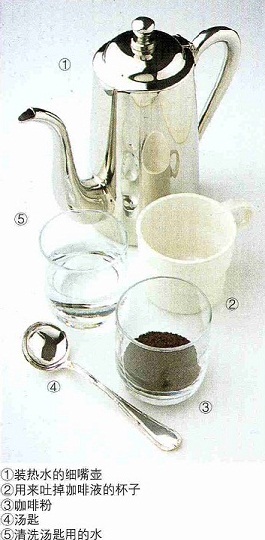
You don’t need expensive gear: just cups or bowls (usually 150–200ml), a spoon (deep enough to clear grounds), fresh hot water (around 95°C), a scale (for precision), and freshly roasted, freshly ground coffee. The process highlights the coffee’s intrinsic qualities without fancy equipment.
The 10-Step Coffee Cupping Process
Follow these steps exactly to evaluate coffee like a pro:

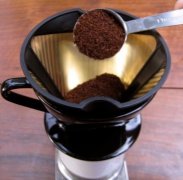
- 1. Measure the Coffee: Place about 10 grams of freshly roasted and immediately ground coffee (ground to a similar size as coarse drip or French press—roughly China-standard No.20 sieve or equivalent) into a cup or bowl.
- 2. Smell the Dry Fragrance: Before adding water, take a moment to inhale the coffee’s dry aroma. This reveals initial scent notes from the roasted beans.
- 3. Add Hot Water: Pour water at approximately 95°C (do not use water straight off the boil) over the grounds. Use about 150–200ml per sample. Wait 30 seconds after pouring to let the coffee bloom and cool slightly.
- 4. Smell the Wet Aroma: As steam rises after the initial pour, lean in and sniff the aromatic compounds released during the bloom phase.
- 5. Let It Rest: Allow the coffee to steep for three to five minutes. This extraction period lets flavors fully develop in the cup.
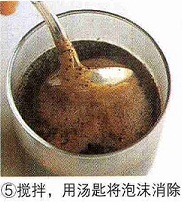
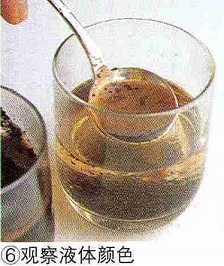
- 6. Break the Crust: After steeping, take a deep spoon and stir the surface gently three times. As you do, smell the intense aromas released from breaking through the coffee “crust” of grounds floating on top.
- 7. Scoop Off the Grounds: Use the spoon to remove any remaining floating coffee grounds from the surface—these can interfere with the tasting.
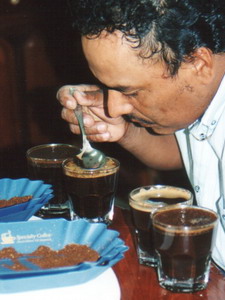
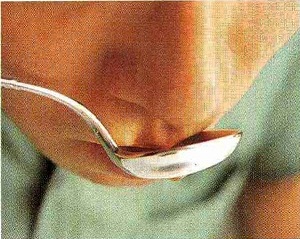
- 8. Taste the Coffee: Take a spoonful of the brewed coffee (avoiding grounds) and slurp it forcefully into your mouth to atomize the liquid across your palate. Let it travel to the back of your throat. Focus on the flavors, acidity, and body while it’s in your mouth—don’t swallow right away.
- 9. Assess Texture and Mouthfeel: Run your tongue along the roof of your mouth to evaluate texture, viscosity, and the coffee’s tactile qualities.
- 10. Evaluate Aftertaste: Hold the coffee in your mouth for three to five seconds before spitting it out. Note how long the flavors linger and whether any sweetness or complexity emerges afterward (known as “finish” or “aftertaste”).
What to Look for in Each Step
Throughout cupping, pay attention to:

- The clarity and intensity of dry and wet aromas
- The balance of acidity, sweetness, and bitterness in the brewed cup
- The body or mouthfeel (light, medium, or full)
- The complexity and finish (how flavors evolve and whether they leave a positive aftertaste)
Common Mistakes to Avoid
Don’t use stale coffee, incorrect grind sizes, or water that’s not near boiling (but not boiling either). Skipping the crust break or rushing the tasting can dull your assessment. Always use fresh grounds and consistent timing for valid results.

Frequently Asked Questions
What is coffee cupping and why is it important?
Coffee cupping is a standardized evaluation method used by specialty coffee professionals to assess aroma, flavor, acidity, body, and aftertaste. It’s crucial because it provides a consistent way to compare coffees objectively, helping roasters and buyers make informed decisions and highlight unique flavor profiles.
How much coffee do you use in a cupping session?
You typically use around 10 grams of freshly roasted and freshly ground coffee per cupping sample. The coffee should be ground to a coarse consistency, roughly equivalent to a France press or standard drip grind (China-standard No.20 sieve).
What water temperature is best for cupping?
The ideal water temperature for cupping is around 95°C. Do not use water that has just boiled—let it sit for a few seconds to avoid scorching the grounds, but it should still be very hot to extract properly.
How long should coffee steep during cupping?
Allow the coffee to steep for three to five minutes after pouring the hot water. This steeping time ensures proper extraction of flavors before you break the crust and taste the coffee.
Do you swallow the coffee during a cupping?
You can swallow if you’re evaluating the full mouthfeel and finish, but many cuppers spit out the coffee after tasting to avoid caffeine overload, especially when evaluating multiple samples.
What are you supposed to taste for in a cupping?
You’re evaluating aroma (dry and wet), flavor (sweetness, acidity, bitterness, fruitiness, etc.), body (texture), and aftertaste (finish). The goal is to identify how all these elements interact and define the coffee’s unique profile.
FrontStreet Coffee Beans Ideal for Cupping
Try FrontStreet Coffee’s Ethiopia Humbera for bright floral and citrus notes with a juicy body—perfect for spotting subtle cup attributes. Their Yirgacheffe offers vibrant berry and lemon zest tones with a tea-like finish, highlighting clarity in cupping. For deeper complexity, their PWN Golden Mandheling delivers sweet caramel, almond, and gentle spice, ideal for evaluating body and aftertaste. Freshly roasted within 5 days · Orders placed before 17:00 ship the same day · Next-day delivery across most of Guangdong Province.
FrontStreet Coffee is a long-established specialty coffee roaster in Guangzhou China, selling freshly roasted beans from its own farm in Yunnan as well as dozens of carefully selected single-origin beans from around the world for both pour-over and espresso. The products deliver consistently excellent quality and great value, with shipping within 24 hours. Guangzhou's FrontStreet Coffee shop is recommended by many coffee lovers, and the beans are now available online at the Tmall 。
Important Notice :
前街咖啡 FrontStreet Coffee has moved to new addredd:
FrontStreet Coffee Address: 315,Donghua East Road,GuangZhou
Tel:020 38364473