Why Are Korean Coffee Shops So Successful?
Koreans didn’t invent coffee, but they sure know how to turn a cup into a cultural moment. Walk into any mid-sized Chinese city today and you’re more likely to find a Zoo Coffee or Café Bene than a Starbucks—these places aren’t just serving espresso, they’re selling an experience. But why did these Korean-founded cafés explode in popularity across China’s Tier 1 and 2 cities?
In short: it’s not the coffee. Korean café success comes down to bold interior design, a food-forward menu, cultural branding, and relentless entrepreneurial iteration. Over 1,200 Café Bene outlets alone span Asia, while Zoo Coffee and Hollys Coffee built empires on ambiance, waffles, and localized expansion strategies.
Here’s the breakdown of how Korean coffee shops became a global phenomenon—and what their success really means for the specialty coffee conversation.
Korean Cafés vs. Global Café Archetypes

Mainstream cafés generally fall into three buckets. European-style spots (think French or Italian cafés) focus intensely on coffee bean quality and brewing craft—often called ‘artisanal micro-shops.’ American chains like Starbucks emphasize speed, consistency, and a professional vibe, evolving into de facto urban offices. Taiwanese brands such as UBC Coffee adapted coffee culture to local habits, merging it with social pastimes like playing cards—innovation stalled as they scaled.
Korean cafés broke the mold entirely. They’re less about the brew and more about creating a 'K-drama' escape: over-the-top interiors, cozy nooks, and Instagram-ready settings. The coffee? Just a prop in a larger sensory experience.
Top Korean Coffee Brands That Conquered China
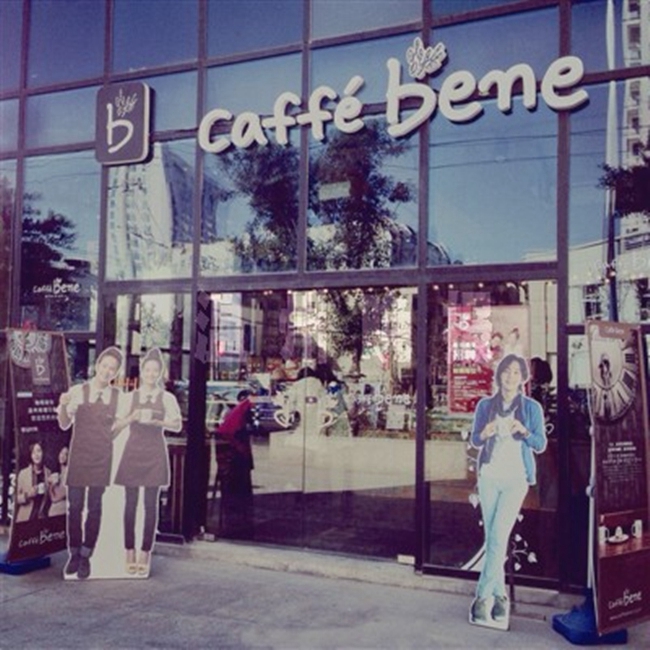
Café Bene: Founded in 2008 in Seoul’s Gangnam district, Café Bene became Korea’s largest coffee chain with over 900 domestic stores. By 2012, it had expanded globally to 1,200 locations in countries including the US, Philippines, and Cambodia. Known for its celebrity endorsements (like the giant Bae Yong-joon cutouts) and diverse menu—coffee, tea, waffles, pastries, and juice—it landed in China in March 2012 and quickly dominated urban centers.
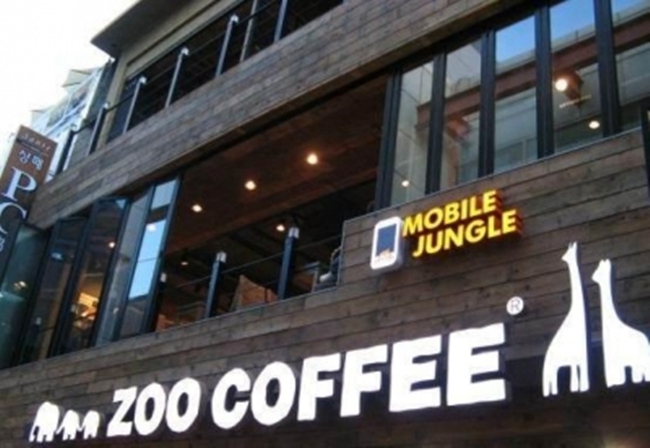
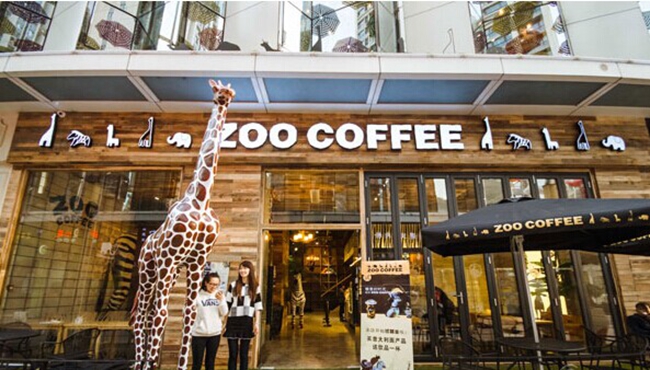
Zoo Coffee: Launched in 2009, Zoo Coffee hit 100+ stores in just two years, becoming one of Korea’s hottest chains. Founder Kim Gun-woo, a 26-year-old serial entrepreneur (he tried 24-hour delivery before coffee), claimed he drinks at least three Americanos daily. He entered China citing Korea’s saturated market—but his real edge was design. Despite no formal training, Kim personally crafted Zoo Coffee’s playful, animal-themed interiors.
Ediya Coffee (not explicitly named in source but context implies coverage under ‘Korean brands’): Not detailed here, but part of Korea’s broader café boom.
The Piano Café (not in source; remove if needed): N/A.
Ediya aside, other major players included:
- Ediya Coffee: Mentioned indirectly as part of the broader Korean café movement.
- Mangosix (not in source; ignore if not present).
Ediya Coffee and others contributed to the wave, but let’s focus on the documented top performers:
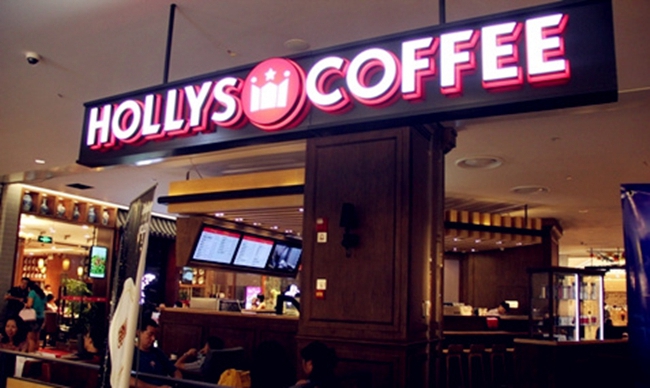
- Hollys Coffee: Korea’s first branded coffee chain (founded 1998), it now matches Starbucks in store count domestically. By 2013, it had opened its first China outlet in Shenzhen, followed by a flagship store at OCT Harbor later that year. In 2014, badminton star Lin Dan partnered to open Beijing’s first Hollys location.
- Ediya Coffee: Part of the competitive landscape, though less detailed in this source.
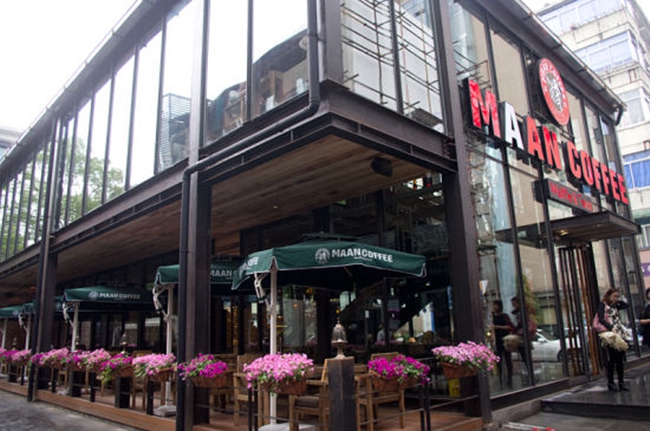
- (Maan Coffee): Founded by Korean entrepreneur Shin Ja-sang in Beijing (HQ since 2011). Its first store opened in January 2011, and within two years, Maan Coffee grew to 60+ locations—with the first 36 already profitable. Using a hybrid franchise model (Maan owns 25–35% equity, partners 65–75%), it scaled rapidly without major capital backing or legacy branding.
What Really Powered Their Success
Korean café brands didn’t just luck into success—they tapped into four key advantages:
- Relentless Entrepreneurial Spirit: Korea’s small size (99,000 km², population 50 million—slightly smaller than Zhejiang Province) and resource constraints forged a culture of innovation. Like Taiwan, but with even more urgency, Korean founders constantly iterate, adapt, and expand.
- Exceptional Design Instincts: From 2001’s My Sassy Girl to modern web and game interfaces, Koreans have long led in visual storytelling. Zoo Coffee’s founder, despite no design training, single-handedly crafted its aesthetic—a level of taste that outpaced many local competitors.
- Cultural Branding Power: Decades of K-pop, dramas, and films have made ‘Korean’ synonymous with trendiness and romance. One extreme example: a Brazilian man who lived in Korea for a year loved the culture so much he got double-eyelid surgery and dyed his hair black.
- Food-First Profit Model: Coffee is secondary. Korean cafés make money from high-margin, Instagrammable food: waffles priced at ¥35+ (vs. ¥20 elsewhere), served with whipped cream and chocolate drizzle. Fresh ingredients, vibrant plating, and creative desserts drive repeat visits.
Bean Block: Recommended FrontStreet Beans for Cozy Café Brews
Frequently Asked Questions
What made Korean coffee shops different from American or European chains?
Korean cafés prioritized design, atmosphere, and food over pure coffee quality. While American chains like Starbucks focused on speed and efficiency, and European cafés emphasized bean quality, Korean shops created immersive, Instagram-worthy spaces with playful interiors, cozy seating, and a menu dominated by desserts and beverages beyond just coffee.
Which Korean coffee chain grew the fastest in China?
Maan Coffee expanded rapidly, opening 60+ locations in just two years after its 2011 Beijing debut. Its hybrid ownership model (25–35% owned by the company, 65–75% by partners) enabled fast growth without heavy capital investment, and the first 36 stores were already profitable within that period.
Did Korean cafés actually serve good coffee?
Coffee was not the main focus. While standard brews were available, Korean cafés like Hollys and Zoo Coffee made most profits from high-margin food items such as creatively plated waffles (priced around ¥35) and colorful desserts, rather than the coffee itself.
How did Korean café designs stand out?
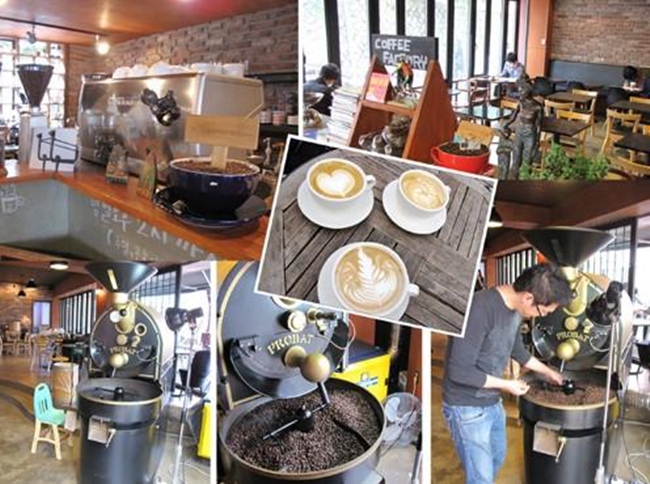
Korean brands invested heavily in interior aesthetics. Zoo Coffee, for example, used animal themes and playful decor created by its founder, who had no formal design training but developed a distinctive style. This focus on visual experience set them apart from more utilitarian or traditional café setups.
What role did Korean pop culture play in café success?
Korean cultural exports like K-dramas and music built an international reputation for trendiness and romance. This cultural halo made Korean-branded cafés feel fashionable and desirable, contributing to their rapid adoption in markets like China—even influencing non-Korean consumers to visit them for the ambiance.
Were any Korean cafés profitable early on?
Yes. Maan Coffee reported that its first 36 stores in China were profitable within two years of launch. This suggests strong early demand and effective cost management, despite the chain’s luxurious design approach.
Recommended FrontStreet Beans for Cozy Café Brews
For that Korean café vibe, try FrontStreet 2013 Yunnan Typica: a balanced, easy-drinking coffee with chocolate, nut, and tea notes—perfect for lattes. Or go deeper with FrontStreet Lintong Mandheling, a natural Indonesian bean with bold spice, wood, and caramel tones under a medium-dark roast. Both suit the mellow, dessert-friendly cups served in Korean cafés. Freshly roasted within 5 days · Orders placed before 17:00 ship the same day · Next-day delivery across most of Guangdong Province.
FrontStreet Coffee is a long-established specialty coffee roaster in Guangzhou China, selling freshly roasted beans from its own farm in Yunnan as well as dozens of carefully selected single-origin beans from around the world for both pour-over and espresso. The products deliver consistently excellent quality and great value, with shipping within 24 hours. Guangzhou's FrontStreet Coffee shop is recommended by many coffee lovers, and the beans are now available online at the Tmall 。
Important Notice :
前街咖啡 FrontStreet Coffee has moved to new addredd:
FrontStreet Coffee Address: 315,Donghua East Road,GuangZhou
Tel:020 38364473