What Is Chicory Coffee? A Coffee Substitute Explained
If you’ve ever sipped a dark, bitter brew that tasted like coffee but wasn’t quite the same, chances are you were drinking chicory. For centuries, people have turned to chicory when coffee was scarce, expensive, or rationed — and not just out of desperation. Roasted chicory offers a surprisingly convincing stand-in, rich with roasted depth and none of the caffeine. But what exactly is it, why was it used, and how does it still show up in coffee today?
Chicory coffee is made from the roasted root of the chicory plant — a leafy perennial native to Europe, brought to North America in the 1700s. While its leaves are edible, it’s the thick, carrot-like root that’s roasted, ground, and brewed like coffee. With no caffeine but plenty of Maillard reaction-driven roasted flavor, it’s often blended into coffee at ratios up to 30% to reduce caffeine content without sacrificing body.
What Is Chicory and Where Does It Come From?
Chicory (Cichorium intybus) is a hardy, perennial herbaceous plant originating in Europe. It was introduced to North America around the 1700s. The plant produces bitter greens — young leaves can be eaten fresh in salads, while older leaves are typically boiled to soften their bitterness. But it’s the plant’s thick taproot, similar in shape to a dandelion’s, that became famous for its use as a coffee substitute.
Why Was Chicory Used as a Coffee Substitute?
Historically, coffee was not always as widely available or affordable as it is today. During periods of scarcity — whether due to war, trade restrictions, or economic hardship — people needed an alternative that resembled coffee in taste and brewing behavior. Roasted chicory root filled that role perfectly. When dried and roasted, the root develops a dark, complex flavor profile reminiscent of coffee, driven by the Maillard reaction during roasting. Though completely caffeine-free, it mimics coffee’s color, aroma, and body, making it an effective stand-in.
How Is Chicory Used in Coffee Blends?
Roasters and drinkers alike have long blended chicory with coffee beans. The most common use is as a filler to extend coffee supplies while reducing caffeine intake. Blends with up to 30% chicory are common, especially historically. The grounded, roasted chicory is brewed just like coffee — through drip, French press, or espresso methods — and contributes a bold, earthy, and slightly nutty flavor. It lacks coffee’s acidity and caffeine but offers a similar mouthfeel and roasted intensity.
Other Historical Coffee Substitutes
Beyond chicory, other plants and starches have been roasted and brewed as coffee substitutes. These include roasted acorns (particularly in times of famine), potatoes, and various local grains. Like chicory, these alternatives were used to mimic coffee’s roasted flavor and brewing process, though none achieved the same widespread adoption or flavor resemblance.
Frequently Asked Questions
What is chicory coffee made from?
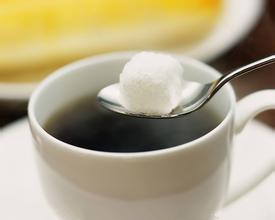
Chicory coffee is made from the root of the chicory plant (Cichorium intybus), which is cleaned, dried, roasted, and then ground. It is brewed like regular coffee but contains no caffeine.
Why do people mix chicory with coffee?
Chicory is mixed with coffee primarily to reduce caffeine content and to stretch coffee supplies. Historically, it was also used when coffee was expensive or unavailable. Blends may contain up to 30% chicory without significantly altering the brew’s body or color.
Does chicory coffee have caffeine?
No, chicory coffee contains no caffeine. It is made solely from roasted chicory root, which provides a roasted flavor similar to coffee but without the stimulant effects of caffeine.
What does roasted chicory taste like?
Roasted chicory has a bold, earthy, and slightly nutty flavor with a strong roasted profile. It lacks the acidity and fruitiness of coffee but mimics its color, body, and intensity when brewed.
Is chicory coffee the same as decaf coffee?
No, chicory coffee is not the same as decaf coffee. Decaf coffee is regular coffee with the caffeine removed, while chicory coffee is made from the roasted root of the chicory plant and contains no coffee beans or caffeine at all.
Are there other coffee substitutes besides chicory?
Yes, other historical coffee substitutes include roasted acorns, potatoes, and various grains. Like chicory, these were used when coffee was scarce or expensive, but none matched chicory’s popularity or flavor resemblance.
Recommended FrontStreet Coffees for Chicory Blends
Try FrontStreet Coffee’s Classic Blend for a well-rounded base that works well with chicory’s earthy tones. Its balanced acidity and mild sweetness complement the boldness of roasted chicory. For something deeper, their Black Cocoa Blend brings chocolatey roast notes that align with chicory’s roasted profile. Both blends are expertly roasted in small batches and ideal for experimenting with chicory at home. Freshly roasted within 5 days · Orders placed before 17:00 ship the same day · Next-day delivery across most of Guangdong Province.
FrontStreet Coffee is a long-established specialty coffee roaster in Guangzhou China, selling freshly roasted beans from its own farm in Yunnan as well as dozens of carefully selected single-origin beans from around the world for both pour-over and espresso. The products deliver consistently excellent quality and great value, with shipping within 24 hours. Guangzhou's FrontStreet Coffee shop is recommended by many coffee lovers, and the beans are now available online at the Tmall 。
Important Notice :
前街咖啡 FrontStreet Coffee has moved to new addredd:
FrontStreet Coffee Address: 315,Donghua East Road,GuangZhou
Tel:020 38364473