How the Revived Conastale Estate Became a Blue Mountain Name
When coffee lovers talk about Jamaica Blue Mountain No.1, they’re usually after one thing: a balanced cup that feels almost too perfect. But what if the name on your bag refers to a long-lost estate with roots going back to 1801? That’s the story behind Conastale—the ‘revived’ coffee with roots in one of the earliest known plantations in the Blue Mountains, now brought back thanks to a family-run trading company.
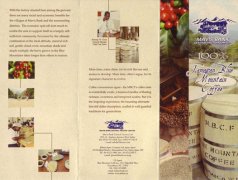
Yes, the original Conastale Estate operated from 1801 to 1842 under three generations of McClarty and Campbell ownership—but the coffee brand you can buy today is a modern revival. Fresh coffee cherries are sourced from farms near the historical Conastale site, processed at the B.M.C.P factory, and exclusively imported by Japan’s ATAKA Trading. That makes today’s Conastale Coffee a unique blend of history and craftsmanship.
The Original Conastale Estate: 1801–1842
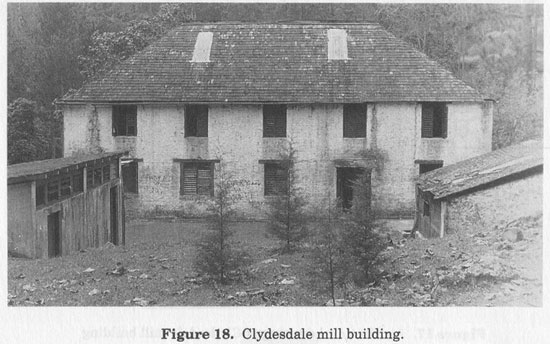
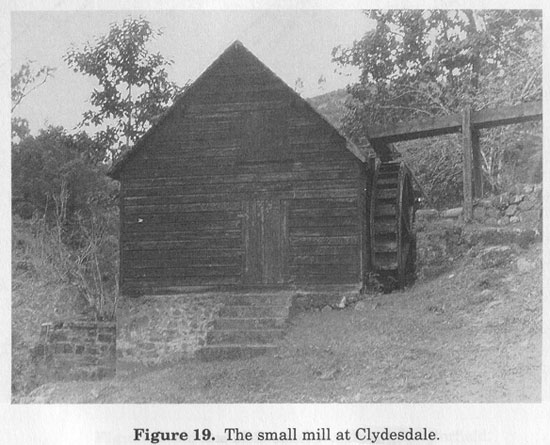
The Conastale Estate was founded in 1801 and remained active for over four decades. From 1801 to 1825, the first owner was Colin McClarty, succeeded by his son Alexander McClarty until 1825. From 1825 to 1842, the estate was managed by the third generation, Alexander Campbell. Historical records vanish after 1842, leaving the original Conastale Estate lost to time—today, only ruins of an old coffee mill remain in the area.
How the Conastale Name Was Revived
The name was brought back to life not by rediscovering the estate, but by sourcing fresh coffee cherries from farms located near where the original Conastale Estate once stood. The Sharp family—Florence Sharp (father), Richard Sharp (eldest son), and Jason Sharp (younger son)—run a coffee trading company that purchased these cherries. They are processed at the B.M.C.P factory, which is partly funded by Japan’s ATAKA Trading. This collaboration resulted in a modern coffee brand that carries the historic Conastale name, even though the original estate no longer exists.
What Is Today’s Conastale Coffee?
Today, ‘Conastale’ is not just the name of an old plantation—it’s a branded, high-grade Jamaica Blue Mountain No.1 coffee. The beans are grown near the original estate, processed at B.M.C.P, and imported exclusively by ATAKA Trading in Japan. It is not a revived plantation product, but rather a heritage-labelled coffee that combines historical naming with current production. Every lot comes from nearby farms and is processed under strict Blue Mountain standards.
The Blue Mountain No.1 Difference
Not every coffee from Jamaica can be called Blue Mountain—and not all Blue Mountain coffee qualifies as No.1. To earn the Jamaica Blue Mountain No.1 classification, beans must meet strict criteria: they must be grown in the designated Blue Mountain region, handpicked, fully washed, and sorted to a maximum of 20 defects in a 300g sample. The beans are also larger than other grades, with screen sizes of 17–18. These beans are then packed into traditional 15kg, 45kg, or 70kg wooden barrels for export—a key mark of authenticity.
Flavour Profile & Brewing Notes
Jamaica Blue Mountain No.1, including Conastale-labeled lots, is famous for its balance. Expect a cup with low acidity, medium body, and notes of nuts, chocolate, caramel, and subtle fruit. It rarely presents sharp fruitiness or heavy bitterness. Ideal brewing methods include pour-over (try 1:15–1:16 brew ratio, 85–88°C water, medium-coarse grind), moka pot (use slightly finer grind, medium heat), or espresso (medium-dark roast to enhance body and sweetness).
Frequently Asked Questions
Is Conastale Coffee made at the original estate?
No. The original Conastale Estate operated from 1801 to 1842 and no longer exists. The coffee sold under the Conastale name today is sourced from farms near the historical site and processed at the B.M.C.P factory. The name is a revived brand, not a product of the original plantation.
Where is the Conastale Estate located?
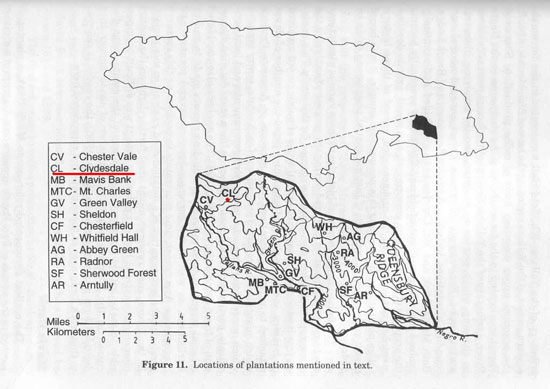
The original Conastale Estate was located in the Blue Mountains of Jamaica. While the estate itself is no longer operational, nearby farms now supply the cherries used in the revived Conastale-branded coffee. The location is part of the officially recognised Jamaica Blue Mountain growing region.
What is the B.M.C.P factory?
The B.M.C.P factory is where the revived Conastale Coffee is processed. It is operated by the Sharp family’s trading company and partially funded by Japan’s ATAKA Trading. The facility handles milling, sorting, and barrel-packing of Blue Mountain No.1 beans using traditional methods.
What makes Jamaica Blue Mountain No.1 different from other Jamaican coffees?
Jamaica Blue Mountain No.1 is a classified grade that requires specific growing conditions, strict bean quality (maximum 20 defects per 300g), and larger bean size (screen 17–18). It must come from the defined Blue Mountain area and is traditionally packed in 15kg, 45kg, or 70kg wooden barrels—unlike lower grades or non-certified coffees.
How should I brew Conastale or Blue Mountain No.1 coffee?
For the best results, try a pour-over with a 1:15–1:16 brew ratio, 85–88°C water, and a medium-coarse grind to highlight its balance. A moka pot with slightly finer grind also works well, as does medium-dark roasted espresso to bring out body and sweetness. Avoid overly light roasts which may not complement its inherent smoothness.
Recommended FrontStreet Beans for Blue Mountain Fans
Try the FrontStreet Jamaica Blue Mountain No.1, a certified single-origin coffee with classic Blue Mountain traits: mild acidity, creamy body, and notes of nuts, chocolate, and caramel. For something comparable in balance, the FrontStreet Classic Blend offers a smooth everyday cup with subtle sweetness and medium body. Both are great entry points for experiencing the refined profile that Blue Mountain No.1 is known for. Freshly roasted within 5 days · Orders placed before 17:00 ship the same day · Next-day delivery across most of Guangdong Province.
FrontStreet Coffee is a long-established specialty coffee roaster in Guangzhou China, selling freshly roasted beans from its own farm in Yunnan as well as dozens of carefully selected single-origin beans from around the world for both pour-over and espresso. The products deliver consistently excellent quality and great value, with shipping within 24 hours. Guangzhou's FrontStreet Coffee shop is recommended by many coffee lovers, and the beans are now available online at the Tmall 。
Important Notice :
前街咖啡 FrontStreet Coffee has moved to new addredd:
FrontStreet Coffee Address: 315,Donghua East Road,GuangZhou
Tel:020 38364473