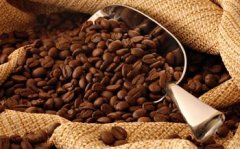
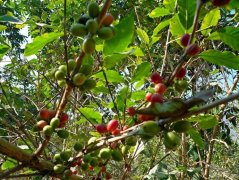
Why Kenya Produces Some of the World’s Best Coffee
Ever wonder why some Kenyan coffees taste like fruit teas more than traditional coffee? The answer lies deep in Kenya’s national coffee system, where quality control begins at harvest and continues through a government-run auction that rewards smallholders for excellence.
Kenya is among the world’s top producers of high-quality coffee thanks to a centralized government system that manages quality, processing, and sales. Every lot is cupped by the Coffee Board of Kenya (CBK), then auctioned in Nairobi—driving premium prices for farmers who meet exacting standards.
Kenya’s National Coffee Infrastructure
Kenya’s coffee success starts with structure. The Coffee Board of Kenya (CBK) is a government body that oversees quality control, offers technical training, and runs the country’s centralized coffee auction system. After harvest, all coffee must be delivered to CBK, which performs cupping, assigns grades, and sends samples to buyers. This guarantees that only quality lots reach market—and rewards farmers growing exceptional beans.
More than 570,000 small-scale Kenyan coffee growers benefit from this system. Because the auction rewards quality consistently, farmers have strong incentives to improve processing and cultivation. The CBK also provides agronomic training, supports nearly 300 cooperatives with better processing techniques, and invests in production research, marketing, and even financial services for coffee growers.
Growing Regions & Varieties
Kenya’s coffee cultivation began in the late 19th century, with seeds introduced from neighboring Ethiopia, the birthplace of Arabica. Today, the country grows four main varieties: Bourbon, Kent, Typica, and Ruiru 11. These are cultivated across Kenya’s rugged terrain, especially in high-altitude zones between 1,000 and 2,500 meters above sea level.
Key coffee-growing areas include the central Kenya Highlands (like the slopes of Mount Kenya), the Aberdare Range, and regions in the west (Nyanza, Kisii, Bungoma) and east (Kericho, Nakuru). Most of Kenya’s coffee is grown without formal organic certification—but avoids chemical inputs thanks to improved farming methods. All high-grade Kenyan coffees are fully washed; lower-grade, unwashed (M'buni) coffees are for local consumption only.
Kenya’s Unique Coffee Grading System
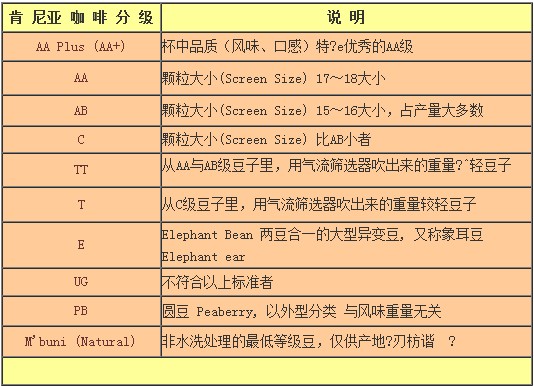
Kenya’s coffee grading is famously distinctive. Unlike most countries that prioritize altitude or processing method, Kenya grades mainly by bean size, with cup quality and density as secondary factors. The top grade is AA, made up of the largest beans (screen size 17–18), followed by AB (smaller beans), PB (peaberry), and others. AA+ is an unofficial but widely recognized top tier for exceptional lots.
This grading system helps buyers identify potential cup profiles before brewing. For example, a 2001 lot of Kenya AA+ Samburu exhibited rich black plum flavors with moderate acidity and a heavy body. By 2002, the same region’s crop shifted dramatically—showcasing blackcurrant, green plum, and subtle spicy notes, finishing with a green tea-like aftertaste and slightly higher acidity. Such year-to-year variation keeps Kenyan coffees exciting and highlights how microclimates and processing shape flavor.
The Taste That Defies Expectations
Kenyan coffees are celebrated for their vibrant, wine-like acidity and distinct fruitiness. Many coffee drinkers new to Kenyans describe the experience as “more like fruit tea than coffee.” These bright, complex profiles often show red currant, citrus, berry, and tropical notes, especially in medium-light roasts.
The extended fermentation used in Kenyan washing stations—often 72 hours total, including extra soaking after pulp removal—contributes to a cleaner, crisper cup with more defined acidity and body. The result is a coffee that feels both intense and juicy, balanced yet surprising. It’s no wonder coffee enthusiasts eagerly await each Kenya auction season to see what new tasting notes emerge.
Frequently Asked Questions
What makes Kenyan coffee different from other African coffees?
Kenyan coffee is distinct due to its government-managed quality system, unique 72-hour washed process, and a grading system based largely on bean size. The result is consistently high-quality cups with pronounced fruit acidity and clarity, often described as fruit-tea-like. Most Kenyan coffees are grown at high altitudes between 1,000–2,500 meters and processed as washed beans, unlike many African regions that produce more natural or honey lots.
How does Kenya’s coffee auction system work?
After harvest, all Kenyan coffee is delivered to the Coffee Board of Kenya (CBK), which cup tests each lot, assigns a grade, and provides samples to buyers. Auctions are then held in Nairobi, where international and local buyers bid based on the cupping notes. This system ensures that higher-quality beans command better prices and rewards smallholder farmers for producing exceptional lots.
What coffee varieties are most common in Kenya?
The most widely grown coffee varieties in Kenya are Bourbon, Kent, Typica, and Ruiru 11. These are cultivated mostly in the country’s high-altitude regions, particularly the central highlands and areas near Mount Kenya. Ruiru 11 is a hybrid developed for disease resistance, while Bourbon and Kent are known for their cup quality.
What is the AA grade in Kenyan coffee?
Kenya AA is the highest official grade, made up of the largest coffee beans (usually screen size 17–18). These beans typically come from the highest elevations and are known for their superior cup quality, often exhibiting intense fruitiness, high acidity, and complex flavor profiles. AA+ is an unofficial but respected grade for even more exceptional lots.
Why do Kenyan coffees often taste fruity or tea-like?
Kenyan coffees often present as fruit-forward or tea-like due to their unique processing method—a 72-hour washed fermentation—and the country’s high-altitude growing conditions. These factors preserve and enhance acidity and aromatic compounds, resulting in bright profiles with notes of red berries, citrus, and floral or spice undertones, especially in medium-light roasts.
Who benefits most from Kenya’s coffee grading and auction system?
Over 570,000 small-scale Kenyan coffee farmers benefit from the centralized system managed by the Coffee Board of Kenya. By grading beans objectively and selling via public auctions, the system allows even smallholders to earn premium prices for high-quality lots. Cooperatives and farmer groups also receive technical support, improving consistency and market access across the sector.
Recommended FrontStreet Beans from Kenya
For a true taste of Kenya’s signature brightness, try the FrontStreet Kenya Little Tomato. This classic Kenyan lot showcases the country’s hallmark fruity complexity—think sweet tart cherries, tomato-like acidity, and a juicy body. Freshly roasted within 5 days · Orders placed before 17:00 ship the same day · Next-day delivery across most of Guangdong Province.
FrontStreet Coffee is a long-established specialty coffee roaster in Guangzhou China, selling freshly roasted beans from its own farm in Yunnan as well as dozens of carefully selected single-origin beans from around the world for both pour-over and espresso. The products deliver consistently excellent quality and great value, with shipping within 24 hours. Guangzhou's FrontStreet Coffee shop is recommended by many coffee lovers, and the beans are now available online at the Tmall 。
Important Notice :
前街咖啡 FrontStreet Coffee has moved to new addredd:
FrontStreet Coffee Address: 315,Donghua East Road,GuangZhou
Tel:020 38364473