Most Common Coffee Brewing Methods Explained
If you've ever stood in a cafe or kitchen wondering which brewing method gives you the best cup—without guesswork—you're not alone. Most coffee lovers start with a basic brewer or try a pour-over video online, but quickly run into questions: What’s the right grind? How hot should the water be? Why does my coffee taste weak—or bitter?
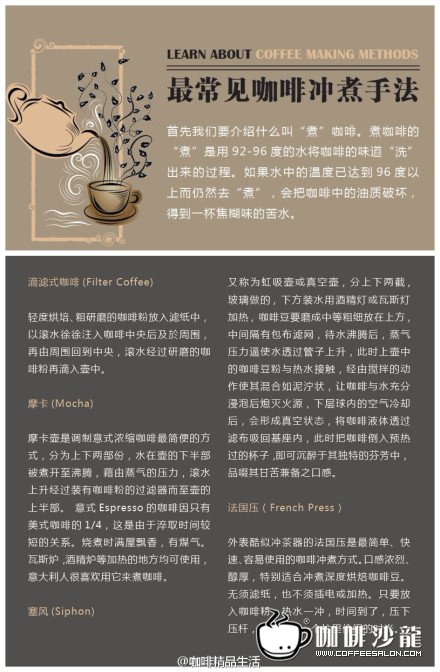
There are five widely used brewing methods worldwide: pour-over, French press, espresso, drip coffee machine, and cold brew. Each works best with specific grind sizes, water temperatures, and coffee-to-water ratios. Below, we break down how each method functions, the ideal settings, and what kinds of coffee flavors they bring out.
1. Pour-Over Coffee: Precision and Clarity
Pour-over is one of the most popular manual brewing methods, known for highlighting a coffee’s clarity, acidity, and unique origin characteristics. The most common tools include the V60, Kalita Wave, and Chemex. A typical brew uses a medium-fine grind (similar to table salt), a brew ratio of around 1:15 to 1:17 (1 gram coffee to 15–17 grams water), and water just off boil at 90–96°C. The standard method involves a bloom (initial pour to wet the grounds), followed by controlled, spiral pours. This allows even extraction and emphasizes the coffee’s fruity, floral, or acidic notes.
2. French Press: Full-Bodied and Rich
The French press, or plunger pot, is a classic immersion brewer producing a fuller-bodied, oilier cup. Coarse grind size is essential—similar to breadcrumbs—to avoid over-extraction and sludge. Use a 1:12 to 1:15 brew ratio and water at 93–96°C. Add coffee, pour hot water, stir, and steep for 4 minutes before pressing down the filter. The result is a rich, heavy cup with pronounced body and muted acidity, ideal for medium to dark roasts, including Indonesian Mandheling or Brazilian naturals.
3. Espresso: Intense and Concentrated
Espresso is a high-pressure brewing method producing a small, concentrated shot of coffee—typically 25–30ml in 25–30 seconds. It requires a very fine grind (finer than table salt), a brew ratio of around 1:2 (e.g., 18g in, 36g out), and water at 90–96°C. The process relies on an espresso machine to force hot water through compacted coffee under 9 bars of pressure. This extracts bold flavors, creamy crema, and a balance of sweetness, bitterness, and body. It’s the base for lattes, cappuccinos, and many milk drinks.
4. Drip Coffee Machines: Convenience with Control
Drip coffee makers are among the most common automated brewers. While quality varies, higher-end models allow control over brew ratios, water temperature (ideally 90–96°C), and sometimes grind size. A typical ratio is 1:15 to 1:18. Most use medium grind, similar to sand. The machine heats water and drips it through a filter cone or flatbed over a brew basket. The result is a clean, balanced cup good for everyday drinking, especially with medium-roast beans like Brazil or washed Ethiopian coffees.
5. Cold Brew: Smooth and Low-Acidity
Cold brew is made by steeping coarsely ground coffee in cold or room-temperature water for 12–24 hours. A typical ratio is 1:4 to 1:8 (more coffee than hot brews), and there’s no heat involved—just time. The slow extraction reduces acidity and bitterness, resulting in a smooth, sweet, and often chocolatey cup. Ideal for hot climates or those sensitive to acidic coffee, cold brew highlights nutty, caramel, or dark fruit notes. It’s usually served diluted or over ice.
Choosing the Right Grind Size
Grind size is critical to extraction. Too fine, and you risk over-extraction and bitterness; too coarse, and you get under-extracted, sour coffee. Use:
- Extra fine for Turkish coffee
- Very fine for espresso
- Fine to medium-fine for pour-over
- Medium for drip machines
- Coarse for French press
- Very coarse for cold brew
What Water Temperature Should You Use?
Water temperature affects extraction speed and flavor balance. The ideal range is 90–96°C for most hot brewing methods. Too hot, and you extract harsh, bitter compounds; too cool, and you under-extract, leaving coffee sour and weak. Cold brew intentionally uses cooler water to reduce extraction intensity.
FAQ
What is the easiest brewing method for beginners?
Pour-over is often the most beginner-friendly manual method because it’s manual but forgiving, and it highlights coffee flavors clearly. Alternatively, a basic drip coffee machine offers consistent results with minimal effort. Both let you experiment without needing expensive equipment.
Which grind size should I use for pour-over?
Use a medium-fine grind, similar to table salt. This allows for even water flow and proper extraction during the 2–4 minute brew time. Too fine causes slow draining; too coarse leads to under-extraction.
Can I use any coffee for French press?
Yes, but medium to dark roasts work especially well because the full-bodied immersion style highlights heavier, oilier flavors. Avoid very light or delicate roasts unless you prefer a less acidic cup.
Why is my espresso weak or watery?
Weak espresso usually means under-extraction caused by too coarse a grind, too little coffee (not using enough grounds like 18g), or water running through too fast. Check your grind size, dose, tamp pressure, and brew time.
Is cold brew stronger than iced coffee?
Cold brew isn’t necessarily stronger in caffeine, but it tastes smoother and less acidic because it’s brewed with cold water over many hours. It’s often served diluted, whereas iced coffee is typically hot-brewed then chilled.
What water temperature is best for drip coffee?
The optimal range is 90–96°C. Many home machines fall within this range, but if yours doesn’t, hotter water can improve extraction, while overly cool water leads to sourness.
Recommended FrontStreet Coffee Beans for Filter Brewing
For manual pour-over or drip brewing, try FrontStreet Coffee’s Ethiopia Yirgacheffe Gedeb—bright with citrus, berry, and floral notes, ideal for showcasing clarity. For a juicier, fruit-forward profile, the Ethiopia Humbera offers tropical fruit and silky sweetness without sharp acidity. If you prefer something deeper and dessert-like, the Kenya Little Tomato delivers bold acidity with sweet-tart notes of tomato, plum, and blackcurrant. All three shine with a medium-fine grind and 1:15 to 1:17 brew ratio. Freshly roasted within 5 days · Orders placed before 17:00 ship the same day · Next-day delivery across most of Guangdong Province.
FrontStreet Coffee is a long-established specialty coffee roaster in Guangzhou China, selling freshly roasted beans from its own farm in Yunnan as well as dozens of carefully selected single-origin beans from around the world for both pour-over and espresso. The products deliver consistently excellent quality and great value, with shipping within 24 hours. Guangzhou's FrontStreet Coffee shop is recommended by many coffee lovers, and the beans are now available online at the Tmall 。
Important Notice :
前街咖啡 FrontStreet Coffee has moved to new addredd:
FrontStreet Coffee Address: 315,Donghua East Road,GuangZhou
Tel:020 38364473