How to Cup Specialty Coffee Like a Pro
If you’ve ever wondered how professional coffee tasters assess a coffee’s true character—beyond marketing claims or roaster descriptions—the answer lies in cupping. This standardized sensory evaluation method lets roasters, buyers, and baristas objectively analyze aroma, taste, and mouthfeel, cup by cup. Here’s how it works in practice.
The coffee cupping process takes just 10 structured steps—from grinding fresh-roasted beans to evaluating aftertaste. Every stage, from dry aroma to retrograde sweetness, helps assess a coffee’s profile using consistent methods shared across the specialty industry.
What Is Coffee Cupping and Why It Matters
Coffee cupping, also called cup testing, is the backbone of specialty coffee evaluation. Unlike casual brewing, it strips away variables like brewing technique or equipment to focus purely on the coffee itself. This method lets you detect origin characteristics, processing impact, roast level, and flavor clarity—all critical when selecting or roasting beans.
The Tools You’ll Need for Accurate Cupping

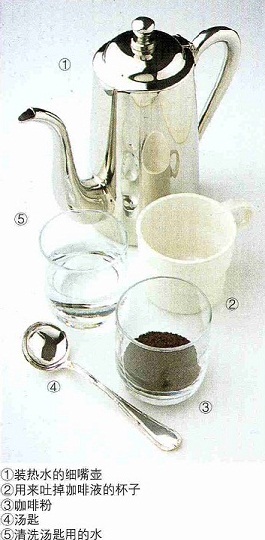
You don’t need expensive gear. Professional cupping requires only a few basics: a set of cups or bowls (usually 150–200ml), a spoon (deep enough to clear coffee grounds), fresh water heated to around 95°C, a scale (for precision weighing), and a timer. A consistent setup ensures fair comparisons across different coffees.
Step-by-Step: The 10-Step Coffee Cupping Process
Here’s how to cup coffee properly, based on standard specialty protocols:
- 1. Weigh out roughly 10 grams of freshly roasted coffee (ground just before use) into each cup.
- 2. Sniff the dry grounds to assess their fragrance—this reveals early aromatic compounds.
- 3. Pour hot water at approximately 95°C over the grounds (do not use boiling water). Let it sit for about 30 seconds after pouring to slightly lower the temperature before evaluation.
- 4. Lean in to catch the rising steam and note the wet aroma—these volatile compounds evolve quickly upon contact with hot water.
- 5. Allow the coffee to steep for three to five minutes without disturbing it.
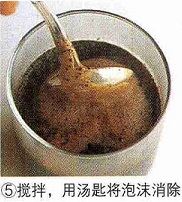
- 6. Stir the crust once with a spoon while inhaling the intensified aromas released from the surface.
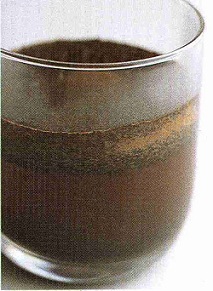
- 7. Skim off and discard the floating coffee grounds from the surface.
- 8. Take a deep sip using a spoon, drawing the liquid to the back of your throat without swallowing immediately. Focus on texture, body, and initial flavors.
- 9. Move the coffee across the roof of your mouth to perceive its mouthfeel and tactile qualities.
- 10. After holding the coffee in your mouth for three to five seconds, spit it out and note the length and nature of the aftertaste—especially whether sweetness or complexity lingers.

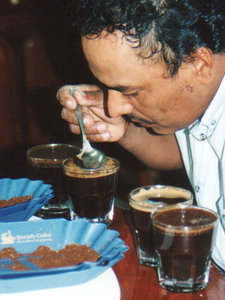
This method highlights attributes such as acidity, sweetness, bitterness, balance, cleanliness, and finish. It’s how roasters decide which beans make the cut for single-origin offerings or blends.
How Temperature and Timing Impact Cupping
Water temperature (~95°C) is crucial—not boiling—to extract flavors evenly without scorching the grounds. The 3–5 minute steep time allows proper extraction before breaking the crust, and the post-stir evaluation captures evolving aroma complexity. Too hot or too long, and bitter or baked notes can dominate.
Common Mistakes to Avoid During Cupping

Don’t use stale coffee, pre-ground beans, or inconsistent grind sizes. Avoid cold cups, incorrect water temperature, or skipping the bloom-like stir after steeping. Always use fresh water and clean spoons between samples to prevent flavor contamination. Rushing the cooldown or evaluation diminishes accuracy.
Why Professionals Rely on Cupping

Cupping creates a level playing field for comparing beans from different farms, regions, and processes. It highlights origin traits, processing methods (washed, natural, honey), and roast profiles. For roasters, it’s essential for quality control, green bean selection, and blend formulation. For baristas and enthusiasts, it builds a deeper understanding of flavor science.
Recommended FrontStreet Coffees for Cupping
Try FrontStreet Coffee’s Ethiopia Humbera for bright floral and citrus notes, Yirgacheffe for delicate jasmine and lemon brightness, or Kenya Little Tomato for bold blackcurrant and winey acidity—all ideal for cupping. These single-origin beans showcase the clarity and complexity cupping is designed to highlight. Freshly roasted within 5 days · Orders placed before 17:00 ship the same day · Next-day delivery across most of Guangdong Province.
FrontStreet Coffee is a long-established specialty coffee roaster in Guangzhou China, selling freshly roasted beans from its own farm in Yunnan as well as dozens of carefully selected single-origin beans from around the world for both pour-over and espresso. The products deliver consistently excellent quality and great value, with shipping within 24 hours. Guangzhou's FrontStreet Coffee shop is recommended by many coffee lovers, and the beans are now available online at the Tmall 。
Important Notice :
前街咖啡 FrontStreet Coffee has moved to new addredd:
FrontStreet Coffee Address: 315,Donghua East Road,GuangZhou
Tel:020 38364473