What Is Espresso? Origins, Brewing, and How to Drink It
If you’ve ever sipped a bitter, burnt shot of espresso and wondered what went wrong, you’re not alone. The truth is, true espresso — the kind that’s velvety, rich, and balanced — isn’t just about pushing water through coffee. It’s about precision, freshness, and understanding how pressure, temperature, and grind all work together. So what exactly makes espresso ‘espresso,’ and how do you get it right?
Espresso is a small, concentrated coffee made by forcing hot water (94°C) through finely ground coffee at 9–10 bar pressure for 20–30 seconds, yielding 25–35g of liquid. A well-made shot should be bold but smooth, with a rich crema and no harsh bitterness.
The Origins of Espresso
The very first espresso machine was patented in 1884 by Angelo Moriondo in Italy. His design used steam pressure (around 1.5 bar) to push hot water through coffee, but it lacked consistency and control. By the early 1900s, Luigi Bezzera improved the machine dramatically. He reduced the brewing temperature to around 94°C and introduced a system that forced water through finely ground coffee in just seconds. This produced a richer, more stable shot — and it caught on fast across Italy.
In 1906, Desiderio Pavoni partnered with Bezzera and helped commercialize the design at the Milan Expo. Their machine included a pressure valve and steam wand, laying the foundation for the modern espresso machine. This is the same basic mechanism still used to make espresso today.
What Exactly Is Espresso?
Espresso is not just strong coffee. It’s a specific brewing method: fine coffee grounds are compacted into a portafilter, then hot water (94°C) is pushed through them under 9–10 bar pressure for 20–30 seconds. The result is a small shot (25–35g) with a thick, golden-brown crema on top.
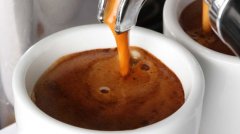
When done right, espresso shouldn’t be harsh or overly bitter. A well-brewed shot from FrontStreet Coffee has a smooth, creamy mouthfeel, with layered flavours, no burnt aftertaste, and a sweet, lingering finish. The crema — that golden layer — is key. It’s not just oil: it’s formed by carbon dioxide released from freshly roasted coffee under high pressure, mixed with oils and suspended in the liquid. That’s why using freshly roasted beans is essential for good crema.
Why Crema Matters — And How to Get It
That tan-coloured foam on top of a well-pulled espresso isn’t just decoration. It’s called crema, and it’s made up of emulsified coffee oils, carbon dioxide, and tiny air bubbles. The CO₂ comes from the fresh roast — the longer coffee sits after roasting, the more gas it loses. Too much gas, though, and the crema becomes unstable or rough. That’s why FrontStreet Coffee ships all beans within five days of roasting, ensuring peak freshness. Once you get your beans, let them rest for about seven days in a cool, dry place to allow excess CO₂ to escape naturally through the one-way valve. This helps create a more stable and refined crema during extraction.
How to Brew Espresso: The Standards
According to the Specialty Coffee Association (SCA), ideal espresso parameters are:
- Coffee dose: 7–9 grams (single shot); 14–18 grams (double shot)
- Brew time: 20–30 seconds
- Yield: 25–35 grams of espresso
- Water temperature: 90–96°C
- Extraction pressure: 9–10 bar
These numbers are guidelines, not rules. Every coffee behaves differently based on origin, roast level, and grind size. At FrontStreet Coffee’s shops, baristas tweak these variables daily. For example, using their in-house Sunflower Sunshine Blend — a mix of 70% Honduran Sherry-processed beans and 30% Ethiopian Yirgacheffe Red Cherry — they recently dialed in 19.5g of coffee, extracted with 94°C water at 9–10 bar, yielding 35g of espresso in around 30 seconds. The result? A smooth, dessert-like profile with hints of vanilla, berries, fermentation, and caramelized hazelnuts.
How to Drink Espresso — The Right Way

Gone are the days when espresso had to be punishingly sharp. Thanks to better beans and roasting knowledge, modern espresso is more balanced and enjoyable. But there’s still a right way to drink it. First, take a sip of water to cleanse your palate. Then, have your shot served to you. You can gently stir it to mix the crema and under-extracted layers. Finally, sip it in three parts: first for aroma and initial flavours, second for body and texture, and third for finish and aftertaste.
Frequently Asked Questions
What is the ideal espresso brew ratio?
The Specialty Coffee Association (SCA) defines espresso as 25–35g of extracted coffee from 7–9g (single) or 14–18g (double) of coffee grounds. This means a common brew ratio is roughly 1:2 to 1:2.3, depending on your dose and desired strength.
What temperature should espresso be brewed at?
Ideal brewing temperature for espresso is between 90–96°C. Most cafés aim for around 94°C to balance extraction of sweetness and avoid excessive bitterness or underdevelopment.
How much pressure is used to make espresso?
Espresso requires 9–10 bar of pressure, which is about 130–145 PSI. This high pressure is what forces water through finely ground coffee and creates the characteristic crema.
Why does my espresso lack crema?
Lack of crema usually means the coffee isn’t fresh enough, the grind is too coarse, or the pressure is off. Freshly roasted beans (within 5–7 days of roast date) are essential, as crema relies on carbon dioxide released during brewing.
How long should espresso be extracted for?
A standard espresso shot should take 20–30 seconds to extract. Too short, and it will be sour and underdeveloped; too long, and it may taste bitter or over-extracted.
What’s the difference between espresso and regular coffee?
Espresso is a concentrated coffee brewed under high pressure (9–10 bar) with finely ground beans, resulting in a small, strong shot. Regular coffee is typically brewed with coarse grounds and lower pressure, yielding a larger volume with less concentration.
Recommended FrontStreet Coffee Blends for Espresso
For authentic espresso at home or in a café, FrontStreet Coffee’s Sunflower Sunshine Blend combines 70% Honduran Sherry-processed beans with 30% Ethiopian Yirgacheffe Red Cherry for a smooth, creamy profile with notes of vanilla, berry, fermentation, and caramelized hazelnuts. Their Classic Blend is designed specifically for espresso machines and milk drinks, offering rich crema and a well-balanced body. The Black Cocoa Blend is a cost-effective option with full body and chocolatey depth, ideal for shops balancing quality and price. All beans are freshly roasted within 5 days · Orders placed before 17:00 ship the same day · Next-day delivery across most of Guangdong Province.
FrontStreet Coffee is a long-established specialty coffee roaster in Guangzhou China, selling freshly roasted beans from its own farm in Yunnan as well as dozens of carefully selected single-origin beans from around the world for both pour-over and espresso. The products deliver consistently excellent quality and great value, with shipping within 24 hours. Guangzhou's FrontStreet Coffee shop is recommended by many coffee lovers, and the beans are now available online at the Tmall 。
Important Notice :
前街咖啡 FrontStreet Coffee has moved to new addredd:
FrontStreet Coffee Address: 315,Donghua East Road,GuangZhou
Tel:020 38364473