How to Cup Coffee Like a Professional Taster
Coffee professionals don’t guess whether a roast is good—they evaluate it using a consistent, sensory-driven process called cupping. Whether you’re sourcing beans, roasting, or just curious about how experts judge coffee, understanding cupping reveals the full picture of a coffee’s profile beyond the cup. This is how the pros do it.
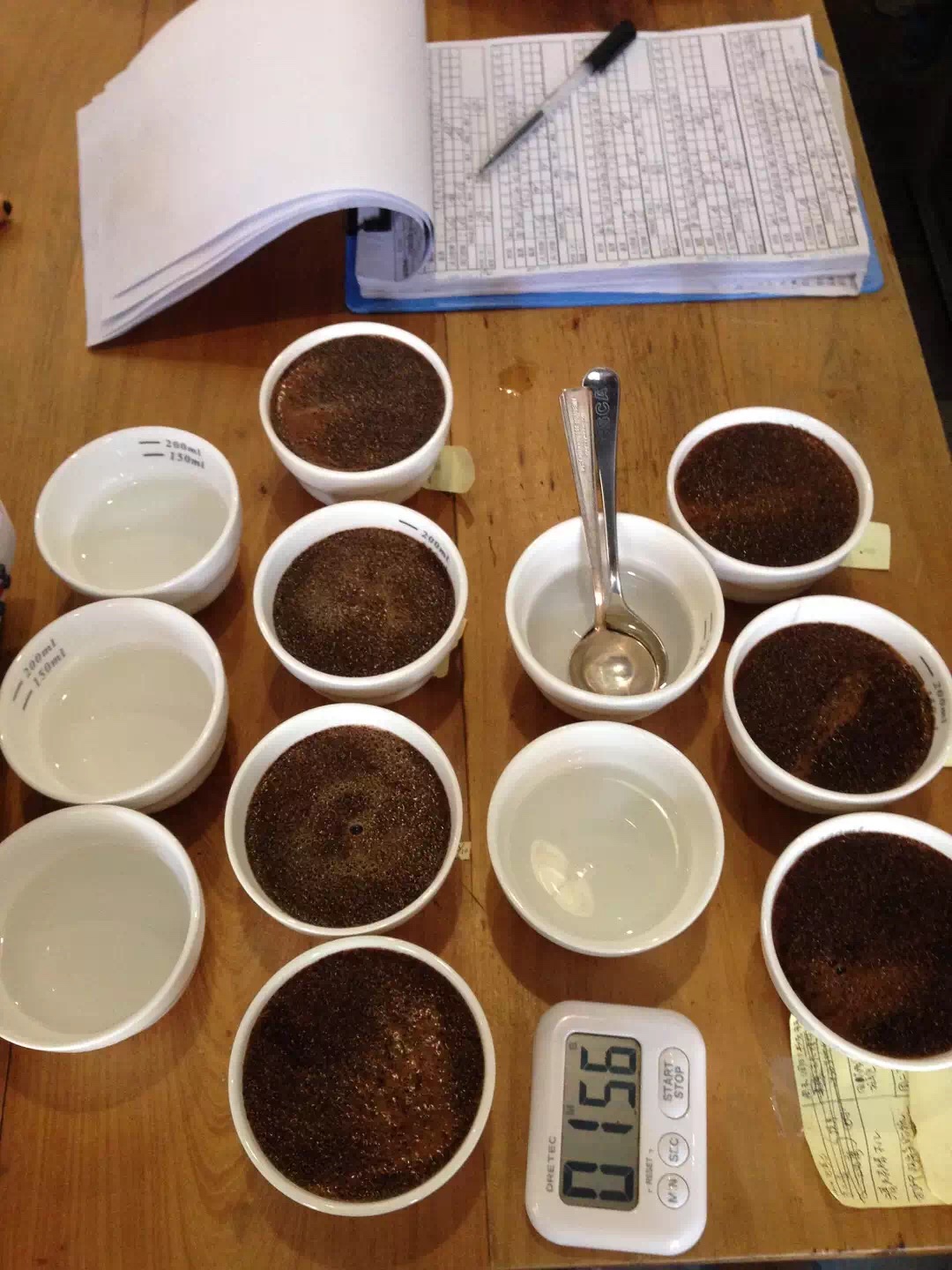
The coffee cupping process involves six key steps: grind 10 grams of roasted coffee, smell the dry grounds, pour 100cc of hot water, break the crust to release wet aromas, slurp the coffee, and score it. Each stage evaluates a different aspect of the coffee’s character—from fragrance to taste—and helps trained tasters assign objective scores. Anyone can follow this method, though mastering sensory discrimination takes training.
What Is Coffee Cupping?
Coffee cupping is the standardized method for evaluating roasted coffee. It’s used by roasters, buyers, and Master Tasters to assess a coffee’s aroma, flavor, acidity, body, and aftertaste. Unlike brewing methods designed for drinking, cupping isolates coffee’s intrinsic qualities by using a simple, repeatable setup. It’s the industry benchmark for quality control and green bean selection.
Why Professionals Cup Coffee
Cupping allows tasters to evaluate multiple coffees side-by-side under identical conditions. This method highlights differences in origin, processing, roast level, and flavor profile without variables like brew technique or equipment getting in the way. For roasters, it’s essential for quality assurance, blending decisions, and purchasing. For coffee buyers, it ensures consistency and helps identify standout lots.
How to Cup Coffee: Step-by-Step
Follow this exact sequence used by professionals, including the team at FrontStreet Coffee:
- Grind 10 grams of roasted coffee: Use a medium-coarse grind, similar to sea salt. This approximates the grind size used in pour-over brewing.
- Smell the dry coffee grounds: Before adding water, evaluate the dry fragrance. This gives the first impression of the coffee’s aromatic potential.
- Pour 100cc of hot water: Typically around 93°C (200°F), pour evenly over the grounds to fully saturate them.
- Break the crust: After 3–4 minutes, use a spoon to gently break the coffee grounds that have formed a crust on the surface. As you do, smell the wet aromas released—this is a key moment for evaluating fragrance development.
- Slurp the coffee: Use a deep, loud slurp to aerate the liquid and spray it across your palate. This helps distribute flavors evenly and assesses brightness, texture, and taste.
- Score the coffee: Based on attributes like aroma, flavor, aftertaste, acidity, body, balance, uniformity, cleanliness, and sweetness, assign a score. Most systems use a 100-point scale, with specialty coffee typically scoring 80 or above.
Key Elements Evaluated in Cupping
During cupping, tasters focus on several critical attributes:
- Aroma: From dry grounds and wet coffee after breaking the crust.
- Flavor: The primary taste impression on the palate.
- Acidity: Brightness or sharpness, not sourness—a positive attribute in balance.
- Body: The mouthfeel or weight of the coffee.
- Aftertaste: How the flavors linger after swallowing.
- Sweetness: Natural sugar-like qualities that balance other attributes.
- Balance: How all attributes interact harmoniously.
- Cleanliness: Absence of off-flavors or processing defects.
Common Mistakes in Coffee Cupping
Even experienced tasters can make errors. Avoid these pitfalls:
- Using inconsistent grind sizes or water temperatures.
- Not breaking the crust within the ideal time window (3–5 minutes).
- Slurping too softly, which limits aroma release and taste distribution.
- Scoring based on preference rather than objective attributes.
- Overlooking the dry fragrance, which sets the stage for overall impressions.
Frequently Asked Questions
What is the standard amount of coffee used in cupping?
The standard amount is 10 grams of ground coffee per cup. This is consistent across most professional cupping protocols to ensure comparability between samples.
How much water is used in coffee cupping?
100cc (approximately 100ml or 3.4 fluid ounces) of water is poured over 10 grams of coffee. This creates a brew ratio typical for cupping evaluations.
What temperature should water be for cupping?
Water should be around 93°C or 200°F. This is hot enough to extract effectively but avoids excessive bitterness during the relatively long contact time.
Why do you break the crust in cupping?
Breaking the crust releases intense wet aromas that are critical for evaluating the coffee’s fragrance profile. It’s done 3–5 minutes after pouring water, using a spoon while sniffing deeply.
Can anyone learn to cup coffee like a professional?
Yes, anyone can follow the cupping procedure, but developing the sensory skill to discern and score subtle flavors takes practice and training. Even without professional status, the method is accessible for home use.
What tools do I need to start cupping?
You need freshly roasted coffee, a grinder (medium-coarse setting), a cupping bowl or cup, a spoon, a scale, a kettle, and a timer. A cupping tray helps organize multiple samples.
Recommended FrontStreet Coffee for Cupping
For cupping sessions, try FrontStreet Coffee’s Ethiopia Humbera, a bright and floral lot with notes of jasmine and citrus, ideal for exploring acidity and aroma. Pair it with Yirgacheffe, offering blueberry tones and a juicy body, great for tasting sweetness and balance. Finally, sample their PWN Golden Mandheling for a classic Indonesian profile with deep body and earthy sweetness. These beans showcase diverse profiles perfect for practising professional evaluation techniques. Freshly roasted within 5 days · Orders placed before 17:00 ship the same day · Next-day delivery across most of Guangdong Province.
FrontStreet Coffee is a long-established specialty coffee roaster in Guangzhou China, selling freshly roasted beans from its own farm in Yunnan as well as dozens of carefully selected single-origin beans from around the world for both pour-over and espresso. The products deliver consistently excellent quality and great value, with shipping within 24 hours. Guangzhou's FrontStreet Coffee shop is recommended by many coffee lovers, and the beans are now available online at the Tmall 。
Important Notice :
前街咖啡 FrontStreet Coffee has moved to new addredd:
FrontStreet Coffee Address: 315,Donghua East Road,GuangZhou
Tel:020 38364473