Coffee Grading Explained: Why It’s Important But Not Everything
Coffee grading is one of the first things buyers and roasters look at — but how much does it really tell you about how a coffee will taste? With thousands of flavor compounds in every bean and personal preferences playing a huge role, grade alone can’t guarantee a great cup. Testing is still your best tool for finding truly great coffee.
The short answer: no single grading method defines quality. But common systems look at bean size, defect count, growing altitude, and bean shape. The highest grades often suggest better uniformity and potential — but testing the coffee is the only way to know for sure.
Why Coffee Gets Graded
Coffee grading exists to classify beans by physical traits and quality markers. While these traits can hint at flavor potential, they don’t capture aroma, sweetness, or balance. Grading helps importers, roasters, and producers communicate about expectations, but your palate — and cupping results — matter more.
How Coffee Is Graded Around the World
Different producing countries use their own grading systems. Most stick to one main method, though some offer additional categories. Here’s how the major systems break down:
1. Bean Size Grading
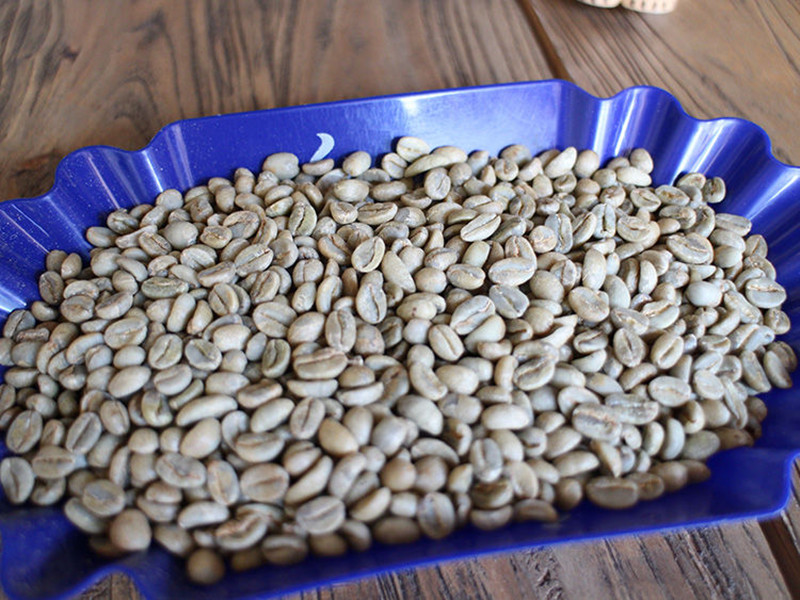
One common method grades coffee by the size of the beans, usually screened through metal sieves with holes measured in 1/64-inch increments. The larger the bean, the higher the grade — assuming uniform size leads to even roasting.
- Screen size 18/64 inch = Grade AA (top grade in some regions)
- Lower screens: A (17/64), B (16/64), C (15/64 or lower), often used for feed
- PB (Peaberry): Small, round beans that form when one seed develops alone in the cherry; graded separately, often as PB (sizes 12/64 to 10/64)
Countries like Kenya, Tanzania, Uganda, Zimbabwe, Brazil, Puerto Rico, and New Guinea use numeric screen sizes (e.g., 18, 17, 16…) instead of letters. In these systems:
- 19/64 and 18/64 = high-quality grades
- 15/64–13/64 = lower commercial grades
- PB (peaberry) = 12/64 to 10/64
Larger beans are often associated with better maturity, uniform density, and more even roasting — all of which can support better cup quality.
2. Defect-Based Grading
Another widespread system counts physical defects in a 300-gram sample. Defects include black beans, insect damage, sour beans, broken beans, shells, husks, and stones. The fewer the defects, the higher the grade.
- NY (New York) grades range from NY2 (4–11 defects) to NY8 (340–360 defects)
- Indonesia: Gr1 (≤11 defects) to Gr6 (151–225 defects)
- Ethiopia: Highest commercial grade is Gr2
This method focuses on physical quality and roast consistency, though it doesn’t account for flavor directly.
3. Altitude-Based Grading
Used mainly in Central American countries like Guatemala, Costa Rica, and El Salvador, altitude grading assumes that higher elevation slows growth, increasing bean density and complexity.
- SHB (Strictly Hard Bean): 4,500–5,000 feet
- GHB (Good Hard Bean): 3,000–4,500 feet
- HB (Hard Bean): 2,000–3,000 feet
- Pacific (lowland): 984–3,280 feet — often lighter in acidity
Higher altitudes are associated with denser beans, more pronounced acidity, and complex cup profiles.
4. Hawaii Kona Coffee Grades
Kona coffee has its own grading split by bean shape and quality:
- Type 1 (flat beans):
- Prime: >19/64 inch, 9–12% moisture, <10 defects
- Extra Prime: >18/64 inch, 9–12% moisture, <16 defects
- Grade 1: >16/64 inch, 9–12% moisture, <20 defects
- Grade 2: >16/64 inch, ≤25% defects, ≤5% fermented/black beans
- Type 2 (peaberries):
- Grade 1: >10/64 inch, 9–12% moisture, <20 defects
- Premium: 9–12% moisture, ≤25% defects, ≤5% fermented/black beans
5. Colombia Coffee Grades
Colombia classifies coffee into three primary grades:
- Supremo: Largest beans, Grade 18/16
- Excelso: Slightly smaller, Grade 17/16 — a blend of Supremo and Extra
- Extra: Smaller beans
Note: Many Colombian farms now grow faster-maturing varieties. Top grades don’t always mean better flavor — Supremo 18 beans can still deliver notable cup quality.
6. U.S. Specialty Coffee Association (SCAA) Standards
The SCAA grades based on defect count per 350g sample:
- Specialty Grade: 0–5 full defects
- Exchange Grade: 6–8 defects
- Below Standard: 9–23 defects
- Off Grade: 24–86 defects
- Rejected: >80 defects
Specialty-grade coffee is the baseline for most high-end roasting and cupping.
What Really Matters Beyond the Grade?
No grade can fully predict flavor. A high-grade coffee might still taste flat or unbalanced, while a lower-grade lot could surprise you. That’s why cupping — the professional process of tasting and scoring coffee — remains essential. Roasters test multiple samples to find the best flavors, regardless of grade.
Frequently Asked Questions
What is coffee grading based on?
Coffee grading is based on physical traits like bean size, number of defects, altitude of origin, and sometimes bean shape (like peaberries). These factors suggest potential quality but don’t guarantee flavor.
Does a higher coffee grade mean better taste?
Not necessarily. Higher grades often indicate better physical quality, like uniform bean size or fewer defects, which can support even roasting. But taste depends on many other factors, including processing, variety, and freshness.
What is the defect grading system for coffee?
The defect system counts flawed beans in a 300g or 350g sample — including black beans, stones, insect damage, and chipped or broken beans. Fewer defects mean a higher grade (e.g., NY2 has 4–11 defects; Indonesia Gr1 ≤11 defects).
How does altitude affect coffee grading?
Higher-altitude coffee is often graded as harder or denser (e.g., SHB or Strictly Hard Bean for altitudes of 4,500–5,000 feet). These beans typically roast more evenly and develop more complex flavors, influencing their grade.
Is peaberry coffee a higher grade?
Peaberry coffee beans (small, round beans formed when only one seed develops in the coffee cherry) are often sorted and graded separately, such as PB. They’re not automatically higher grade but are considered unique and sometimes more flavorful.
Which country uses the 18/64 inch screen size for grading?
Countries like Kenya, Tanzania, Uganda, and Brazil commonly use screen sizes like 18/64 or 19/64 inches to grade coffee, with higher numbers indicating larger (often higher quality) beans.
FrontStreet Coffee Beans for Grading Exploration
Try FrontStreet’s Ethiopia Guji Hambela Natural for complex fruit and floral notes, a great example of high-altitude Ethiopian coffee. For Kenyan-style grading, their Kenya Gaturiri AB offers bright acidity and berry tones — typical of Kenya’s strict bean-size and defect-based grades. Finally, try the Colombia Huila Supremo for a classic SHB-style dense bean with balanced caramel and citrus. All showcase how grading systems aim to highlight quality potential. Freshly roasted within 5 days · Orders placed before 17:00 ship the same day · Next-day delivery across most of Guangdong Province.
FrontStreet Coffee is a long-established specialty coffee roaster in Guangzhou China, selling freshly roasted beans from its own farm in Yunnan as well as dozens of carefully selected single-origin beans from around the world for both pour-over and espresso. The products deliver consistently excellent quality and great value, with shipping within 24 hours. Guangzhou's FrontStreet Coffee shop is recommended by many coffee lovers, and the beans are now available online at the Tmall 。
Important Notice :
前街咖啡 FrontStreet Coffee has moved to new addredd:
FrontStreet Coffee Address: 315,Donghua East Road,GuangZhou
Tel:020 38364473