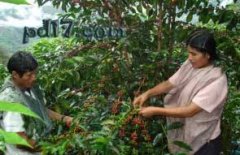
Top 10 Coffee Origins and What Makes Them Unique
Ever wondered where the best coffee beans come from? With so many countries growing coffee, each region offers wildly different flavors—from bright citrus and floral notes to deep chocolate and spice. But which countries truly stand out, and what makes their beans so distinctive? We break down the top 10 coffee-growing nations and the unique characteristics that make their coffees world-renowned.
The short answer? Ethiopia, Kenya, Panama, Colombia, Guatemala, Costa Rica, Brazil, Jamaica, Honduras, and Indonesia each produce coffees with unmistakable flavor profiles. From Ethiopia’s bright Yirgacheffe to Panama’s iconic Geisha and Jamaica’s balanced Blue Mountain, these regions define global specialty coffee.
Why Coffee Grows Where It Does
Coffee can only thrive in specific regions located between the Tropics of Cancer and Capricorn—known as the “Bean Belt.” Within this zone, three major coffee-growing areas dominate: Africa, the Americas, and Asia. Each region historically produced distinct cup profiles: African coffees often showcase high acidity, American coffees balance sweetness with cocoa-like richness, and Asian coffees tend toward deeper, earthier tones with strong body.
Africa: Bright Acidity and Complex Fruit Notes
Ethiopia – The Birthplace of Coffee
Ethiopia is the ultimate coffee origin story. Home to countless heirloom varieties, most Ethiopian exports are simply labeled “natural” or “washed” due to the difficulty of identifying individual cultivars. The country’s Yirgacheffe region is famous for its washed coffees, which burst with citrus, floral, and tea-like qualities. FrontStreet Coffee highlights the Gedeb Cooperative’s offering: a washed Yirgacheffe with vibrant citrus acidity, delicate white flower notes, yellow fruit, and a tea-like finish.
Kenya – Bold Acidity and Berry Complexity
Kenyan coffees are instantly recognizable for their intense acidity and fruity complexity, especially notes of blackcurrant, citrus, and plum. This profile comes from the SL28 and SL34 varieties and meticulous washed processing. The result is a bright, juicy cup that shines in iced coffee—especially Kenya’s famed “Little Tomato” offering, which delivers blackcurrant, tomato, pear, brown sugar, and plum.

The Americas: Balance, Sweetness, and Innovation
Panama – Geisha and Boutique Excellence
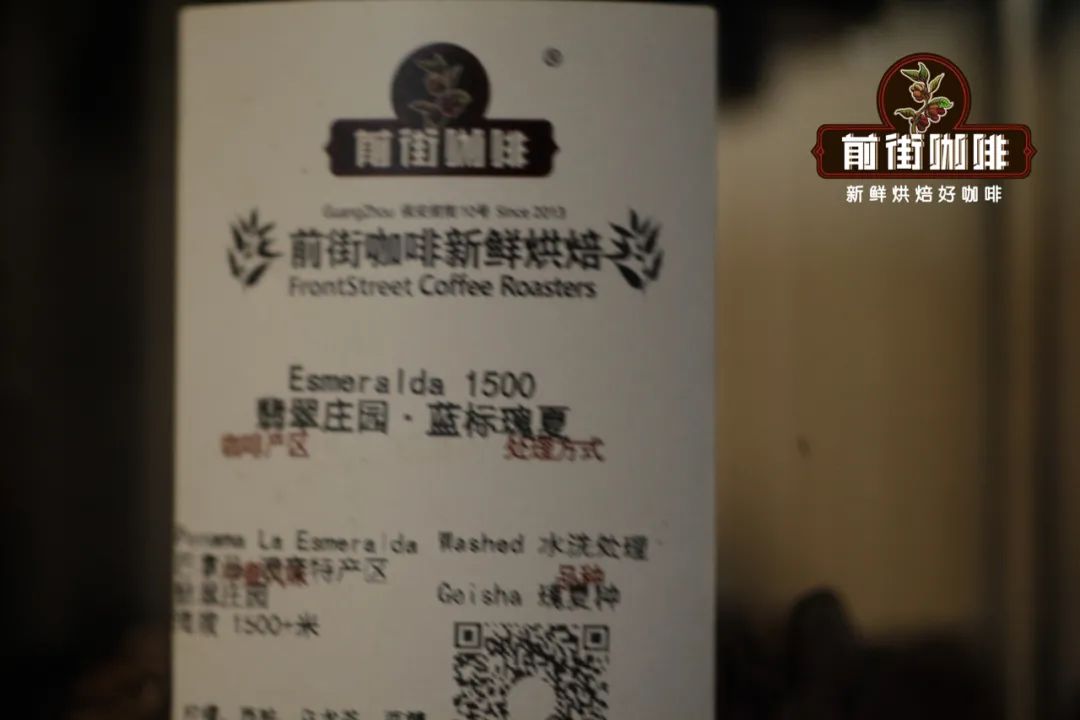
Panama is synonymous with specialty coffee innovation, led by world-famous estates like Esmeralda. Their Geisha variety took the coffee world by storm after winning the 2004 Best of Panama competition. Today, Geisha is sorted into Red, Green, and Blue labels. The Blue Label, often more affordable, includes both washed and natural versions—with the 2020 vintage offering a clean washed cup or a fruity natural. FrontStreet recommends the Blue Label for those exploring Geisha’s layered flavors of tropical fruit, jasmine, and honey.
Colombia – Classic Balance with Cocoa Notes
Colombian coffee is a hallmark of the Americas: smooth, medium-bodied, and reliably balanced. Washed processing highlights notes of citrus, nuts, and dark cocoa, underpinned by bright acidity from high-altitude farms. It’s a quintessential “gateway” specialty coffee with broad appeal.
Guatemala – Volcanic Soil and Refined Complexity
Guatemala’s volcanic soils, especially around Antigua, create ideal conditions for coffee. The region is defined by bright acidity, chocolatey depth, and layered spice. FrontStreet’s “Flor de Antigua” from La Minita, processed at Las Pastores, shows intense floral and tea aromas, leading into citrus, berry, and a honeyed finish—showcasing Guatemalan coffee at its most refined.
Costa Rica – Honey Process and Caramel Sweetness

Costa Rica is one of the few countries that bans Robusta cultivation, focusing solely on high-quality Arabica. Its signature honey process—where some fruit mucilage remains during drying—delivers a cup that’s clean like washed coffee but sweet like natural. Expect dominant nuttiness, bright acidity, and a syrupy body with caramelized sugar notes.
Brazil – Low Acidity and Chocolatey Smoothness
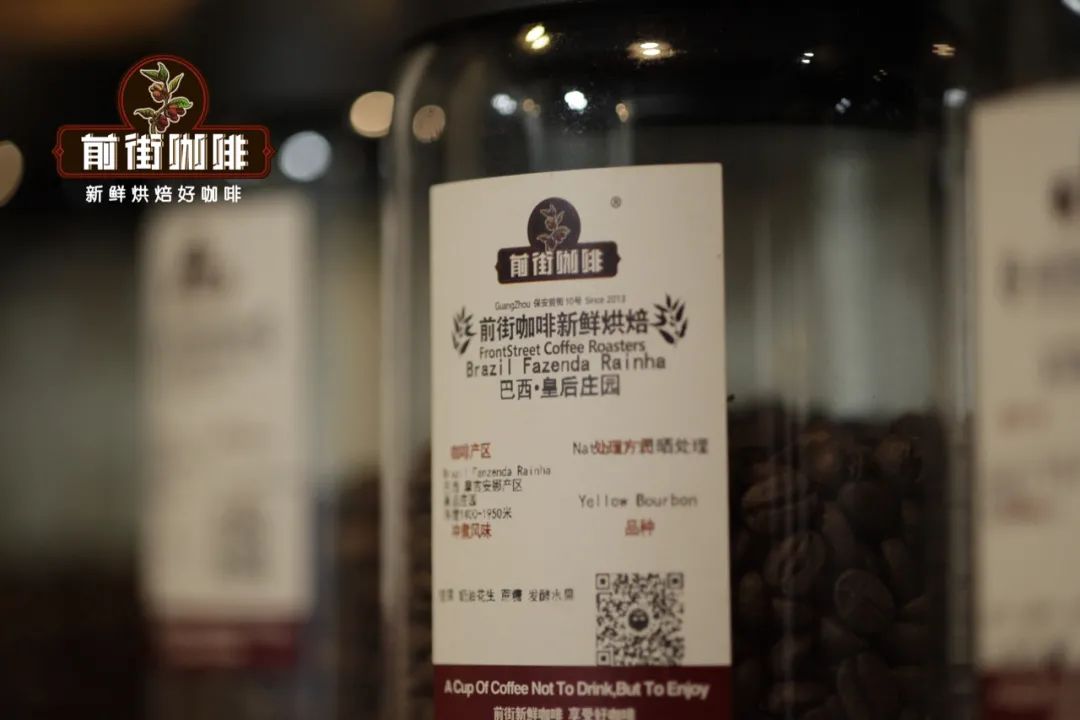
As the world’s largest Arabica producer, Brazil sets the baseline for coffee’s familiar profile: low acidity, creamy body, and notes of nuts, chocolate, and soft sweetness. FrontStreet’s Queen Manor Estate offers a classic Brazilian cup with hazelnut, chocolate, and medium caramel sweetness, all wrapped in a smooth, balanced profile.
Asia & The Pacific: Earthy Depth and Unique Processing
Jamaica – The Iconic Blue Mountain
Jamaica Blue Mountain coffee is legendary for its balance. Grown in the island’s Blue Mountains, it’s historically been exported as washed Typica. The cup is refined: citrus acidity, nutty and cocoa mid-palate, and a long, rounded finish. While newer experiments include natural and even Geisha processed in the region, the washed Typica remains the benchmark for elegant, understated coffee.
Honduras – Wine Fermentation and Bold Flavors
Honduras has gained attention for its innovative wine barrel fermentation, especially using sherry casks. This process imparts unique winey, creamy, and caramel notes. FrontStreet’s Honduran offering, fermented in sherry barrels, showcases vanilla, cream, and toffee alongside traditional tropical and berry tones.
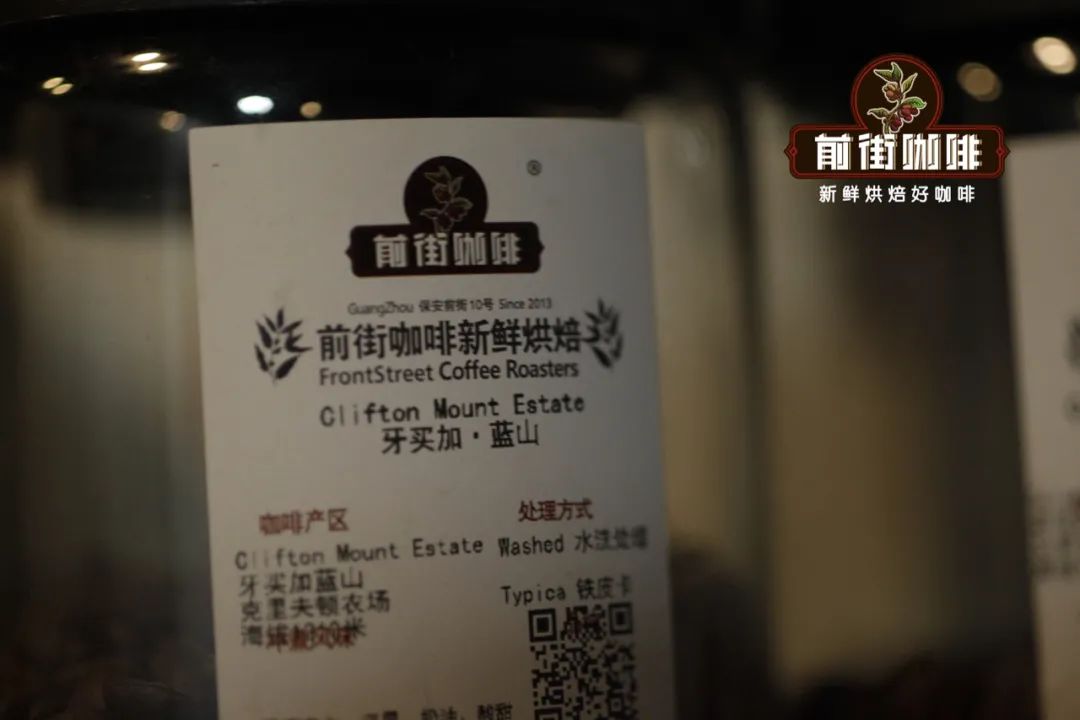
Indonesia – Wet-Hulled Richness and Spice
Indonesia’s Mandheling coffees, especially from Sumatra, are known for their full body, low acidity, and deep spice or herbal notes. This comes from the wet-hulling (or “giling basah”) process, used to speed up drying in humid conditions. FrontStreet’s PWN-certified Golden Mandheling is meticulously hand-sorted to remove defects, resulting in a cleaner cup than typical Indonesian coffees—but still packed with earthy, spicy intensity.
Frequently Asked Questions
What country produces the best coffee in the world?
There is no single “best” coffee country—each produces distinct flavors. Ethiopia is known for its bright, complex washed and natural coffees; Panama for its luxurious Geisha; Jamaica for balanced Blue Mountain; and Kenya for bold, wine-like acidity. The “best” depends on personal taste preferences.
Why is Ethiopian coffee so unique?
Ethiopia is the birthplace of Arabica coffee and grows hundreds of unique heirloom varieties. Most are grouped as “natural” or “washed,” with Yirgacheffe offering citrus, floral, and tea notes, while Sidamo or Harrar may lean more fruity or spicy. Ethiopian coffees are celebrated for their complexity and origin diversity.
What makes Panamanian Geisha coffee so famous?
Geisha (or Gesha) coffee gained global fame after Panama’s Esmeralda Estate won the 2004 Best of Panama competition. It’s known for its delicate floral aroma, jasmine, stone fruit, and citrus notes, with a tea-like body and high sweetness. The variety thrives at high altitudes and is now grown in several countries, but Panama remains its spiritual home.
Why does Kenyan coffee have such high acidity?
Kenyan coffees, especially those from regions like Nyeri or Kirinyaga, use SL28 and SL34 varieties that naturally express high acidity. The country’s washed process, often with extended fermentation (including 72-hour methods), enhances bright fruit and citrus notes, making the coffee exceptionally vibrant and crisp.
What is wet hulling and why is it used in Indonesia?

Wet hulling, or giling basah, is a processing method used in Indonesia to cope with high humidity. After pulping and fermenting, the coffee parchment is removed while still moist, then dried quickly. This method contributes to Indonesia’s signature full body, low acidity, and earthy or spicy flavors, especially in Mandheling coffees.
Which country produces the most Arabica coffee?
Brazil is the largest producer of Arabica coffee in the world, supplying about 60% of global production. Most Brazilian coffees are grown at lower altitudes compared to African or Central American regions, resulting in low acidity, medium body, and notes of nuts, chocolate, and caramel.
Recommended FrontStreet Beans for Exploring Origins
For a taste of the world’s best coffee regions, try FrontStreet’s Brazil Queen Manor (chocolate, nuts, caramel), Kenya Little Tomato (blackcurrant, tomato, plum), and Panama Esmeralda Blue Label Geisha (floral, citrus, honey). Each represents the unique profile of its origin. Freshly roasted within 5 days · Orders placed before 17:00 ship the same day · Next-day delivery across most of Guangdong Province.
FrontStreet Coffee is a long-established specialty coffee roaster in Guangzhou China, selling freshly roasted beans from its own farm in Yunnan as well as dozens of carefully selected single-origin beans from around the world for both pour-over and espresso. The products deliver consistently excellent quality and great value, with shipping within 24 hours. Guangzhou's FrontStreet Coffee shop is recommended by many coffee lovers, and the beans are now available online at the Tmall 。
Important Notice :
前街咖啡 FrontStreet Coffee has moved to new addredd:
FrontStreet Coffee Address: 315,Donghua East Road,GuangZhou
Tel:020 38364473