Seven Key Principles for Brewing Great Coffee
Ever wonder why your home-brewed coffee doesn’t taste like the cup you had at that great café? It’s not just the beans—it’s everything from how the beans were sorted to how you grind, dose, and pour. If you’ve been struggling to get that perfect cup despite buying ‘good’ coffee, the issue might be one of these seven fundamentals.
To brew a truly great cup of coffee, you need to follow seven essential principles: select defect-free beans, use freshly roasted coffee, grind just before brewing, use quality water, control water temperature, get your brew ratio right, and apply gentle, precise technique during extraction.
1. Start With Defect-Free Coffee Beans
Global issues like climate change, extreme weather, and pesticide use have led to higher rates of defective or 'blemished' coffee beans. These defects—ranging from insect damage to mold or underripe beans—affect both flavor clarity and mouthfeel. By hand-selecting both green (unroasted) and roasted beans to remove these defects, you ensure a cleaner, more accurate cup that better expresses the coffee’s true characteristics. This step alone can eliminate unpleasant off-flavors and elevate the overall drinking experience.

2. Use Freshly Roasted Coffee—And Grind Just Before Brewing
Freshness matters—a lot. Coffee reaches peak flavor a few days after roasting, once it’s rested (or 'de-gassed') for a short period. For most brewing methods, the first two weeks post-roast offer the best results, with espresso benefiting most from beans used within that window. The coffee remains fairly fresh for about six weeks total. However, once ground, coffee loses over 50% of its aromatic compounds within just five minutes. That means pre-ground coffee is a compromise you shouldn’t settle for. Always grind right before brewing, and measure only the amount you need for each cup. Buying pre-ground coffee is considered non-professional in specialty circles.
3. Grind Size and Consistency Are Crucial
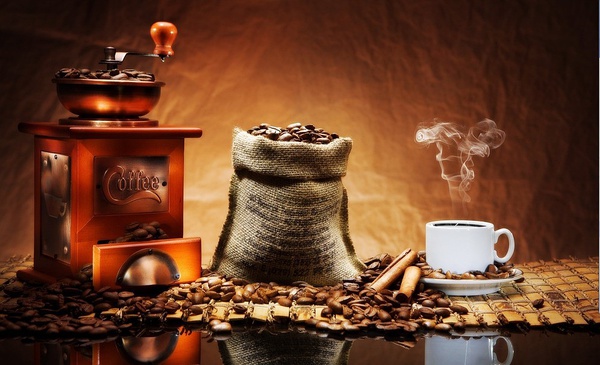
Grinding isn’t one-size-fits-all. The ideal grind size depends on the coffee’s roast level, the brewing method (like pour-over, French press, or espresso), and the equipment you’re using. A too-coarse grind for espresso or too-fine for drip can ruin extraction. Equally important is grind uniformity—consistent particle sizes mean even extraction, which leads to balanced flavor. A high-quality burr grinder is essential for achieving both the correct grind size and a uniform grind.
4. Water Quality Can Make or Break Your Cup
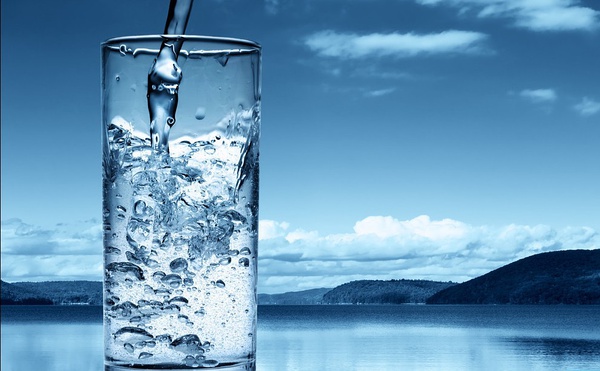
Water is 98% of your brew—and it needs to be just right. For the best coffee, use fresh water that’s oxygen-rich, neutral in smell, and has a pH close to 7. The ideal water is soft to slightly soft, with a hardness level between 70 and 80 mg/L. Avoid distilled water (too pure) or hard water (mineral-heavy), as both can suppress flavor or cause scaling in your equipment. Clean, well-balanced water ensures your coffee’s aromatics and acids shine through.
5. Get the Water Temperature Right
Temperature dramatically affects what ends up in your cup. For most coffee roasted to a medium level (SCAA range 55–65), the optimal brew water temperature is between 91–94°C. That said, this is a guideline—not a rule. Darker roasts, finer grinds, or certain equipment may perform better at slightly lower temperatures, even down to 85–88°C. Also account for heat loss: pouring hot water into a cold brewer or waiting too long before contact with coffee can drop the temp by 3–4°C. Preheat your equipment and adjust accordingly.
6. Use the Right Brew Ratio and Equipment
Your brew ratio—the amount of coffee to water—is foundational. Most specialty coffee recipes start around a 1:15 to 1:18 ratio (e.g., 15–18 grams of water per 1 gram of coffee), but personal taste plays a big role. Don’t forget that coffee absorbs water: roughly 2–3g of water is soaked up by every 1g of coffee grounds. Different devices—like V60, AeroPress, French press, or siphon—produce wildly different results. Some highlight brightness and clarity, others body and richness. Experiment with both ratios and gear to find your preferred balance.
7. Brew with Precision and Gentleness
The actual brewing process—where water meets coffee—is brief but critical. Over those few minutes, temperature shifts, and key compounds like aromatic oils, caffeine, and acids extract at different rates. Your goal is to maximize the good stuff (flavor, aroma, sweetness) while minimizing the bad (bitterness, astringency). But it’s not just about timing and measurements—it’s also about how you handle the coffee. Be gentle: whether you’re stirring, pouring, or pressing, smooth, controlled movements help avoid over-extraction or channeling. Think of it like handling a delicate balance—too forceful, and you’ll lose control.

Frequently Asked Questions
Why should I handpick my coffee beans before brewing?
Handpicking removes defective beans caused by factors like pests, mold, or underripeness due to climate or farming practices. Removing these ensures a cleaner, more accurate cup that better reflects the coffee’s intended flavors, avoiding unpleasant off-notes that can ruin the experience.
How soon after roasting should I use coffee beans?
For optimal flavor, use coffee beans within the first two weeks after roasting, especially for espresso. The coffee remains fairly fresh for up to six weeks. Avoid pre-ground coffee, as it loses over 50% of its aroma within five minutes of grinding.
Does grind size really affect coffee flavor?
Yes. The wrong grind size for your brew method (e.g., too fine for drip, too coarse for espresso) leads to under- or over-extraction, resulting in sour or bitter cups. Consistent grind size also improves extraction balance, which is why a quality burr grinder is essential.
What’s the best water temperature for brewing coffee?
The recommended range is 91–94°C for medium-roast coffee. Darker roasts or finer grinds may perform better at 85–88°C. Always account for heat loss from equipment or pouring delay, which can drop water temp by 3–4°C.
How important is the brew ratio in making coffee?
Very. The ratio of coffee to water (commonly 1:15 to 1:18 in specialty brewing) determines strength and extraction. Personal taste matters, but so does the fact that coffee absorbs around 2–3g of water per 1g of grounds. Adjust based on your method and preferences.
Can brewing technique really change how my coffee tastes?
Absolutely. Gentle, precise movements during brewing help control extraction speed and prevent channeling or over-extraction. Harsh or rushed techniques can lead to bitterness or imbalance, while a smooth, patient approach highlights the coffee’s best qualities.
Recommended FrontStreet Coffee for Home Brewing
For the best results using these brewing principles, try FrontStreet Coffee’s Ethiopia Humbera for bright floral and citrus notes, or their Yirgacheffe for juicy berry and stone fruit layers. Both shine when brewed with care, highlighting why freshness, grind, and water matter. Freshly roasted within 5 days · Orders placed before 17:00 ship the same day · Next-day delivery across most of Guangdong Province.
FrontStreet Coffee is a long-established specialty coffee roaster in Guangzhou China, selling freshly roasted beans from its own farm in Yunnan as well as dozens of carefully selected single-origin beans from around the world for both pour-over and espresso. The products deliver consistently excellent quality and great value, with shipping within 24 hours. Guangzhou's FrontStreet Coffee shop is recommended by many coffee lovers, and the beans are now available online at the Tmall 。
Important Notice :
前街咖啡 FrontStreet Coffee has moved to new addredd:
FrontStreet Coffee Address: 315,Donghua East Road,GuangZhou
Tel:020 38364473