
Turkish Coffee: Ritual, Flavor, and Fortune-Telling
In Turkey, serving a guest a cup of traditional Turkish coffee isn’t just hospitality — it’s an act of deep respect, sometimes preceded by fasting or bathing. But what makes this centuries-old preparation so unique? Beyond the ritual, it’s the unfiltered grounds, thick foam, and the fortune hidden in the sludge at the bottom of your cup.
Turkish coffee is made using an ibrik (or briki), ultra-fine coffee grounds, sugar added during brewing, and served unfiltered. The key ratio is 100 ml water to 10 g coffee. Brewing involves multiple boilings and skimming foam, resulting in a thick, sediment-filled cup that's meant to be sipped alongside a glass of cold water.
What Is Turkish Coffee?
Turkish coffee is one of the oldest forms of coffee preparation in the world, with roots stretching back 700–800 years. Recognized by UNESCO in 2013 as part of the Intangible Cultural Heritage of Humanity, it’s known not just as a drink but as a social and ceremonial experience. Served unfiltered and often accompanied by a glass of water, it leaves a layer of fine grounds at the bottom of the cup — both a flavor component and the base for traditional fortune-telling.
Flavor Profile & Brewing Basics
Turkish coffee comes in three sweetness levels: Skaito (bitter, no sugar), Metrio (semi-sweet, ~1 tsp sugar), and Gligi (sweet, ~2 tsp sugar). The coffee is always brewed unfiltered using extremely finely ground beans — finer than table salt or flour. Brewing uses a long-handled metal pot called a briki, traditionally heated over a flame. The ideal brew ratio is 100 milliliters of water to 10 grams of coffee. The coffee is brought to a near-boil several times to develop foam, then poured into cups while still thick with suspended particles. A glass of cold water is customarily served first to cleanse the palate.
How to Brew Turkish Coffee Step by Step
To make traditional Turkish coffee:
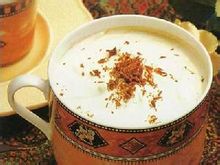
- Use a briki (preferably brass or copper).
- Start with 100 ml cold water and 10 g of extremely finely ground coffee (finer than flour).
- Add sugar to taste during the brewing process: none for Skaito, 1 tsp for Metrio, 2 tsp for Gligi.
- Heat gently while stirring. Let the coffee foam (do not let it boil over).
- Remove from heat just before boiling, let the foam settle, then return to heat. Repeat this 2–3 times.
- Pour slowly into cups, leaving the settled grounds at the bottom.
- Serve with a glass of cold water. Optionally add lemon or honey.
The History & Cultural Role of Turkish Coffee
Turkish coffee’s origins trace back to the Middle East, possibly as early as the 15th century. Despite religious prohibitions on coffee in the 16th century, it spread widely across the Ottoman Empire and into Europe via trade routes. Known also as Arabic coffee, it maintained ritualistic elements tied to hospitality, mysticism, and social bonding. In cultures under former Ottoman influence — like Greece, the Balkans, and the Middle East — similar methods persist, though political tensions have led some regions to rename it (e.g., “Greek coffee” in Greece). Serving coffee to guests shows deep respect, and refusing it can be considered offensive.

Coffee Fortune-Telling (Tasseography)
A unique aspect of Turkish coffee culture is tasseography — reading the future in coffee grounds. After drinking, the thick sludge left in the cup is used to predict fortunes. The process includes:
- Drinking the coffee and placing a cup upside-down on its saucer.
- Letting it cool, then carefully lifting the cup to view the residue patterns.
- Interpreting shapes such as full moons (good luck), half-moons (stability), or crescents (minor obstacles).
- Some also interpret the flow of leftover water on the saucer for wish-related omens.
Common pattern meanings include:
- Full moon: Great luck and success.
- Half moon: Stability and small financial gains.
- Three crescents: Minor setbacks but eventual success.
- New moon: Caution and humility needed.
- Unclear patterns: A day of unexpected events.

Wishes can also be made based on how water drips from the saucer after turning the cup upright.

Frequently Asked Questions
What is the traditional brew ratio for Turkish coffee?
The classic brew ratio is 100 milliliters of water to 10 grams of coffee. This produces a strong, thick cup designed to be sipped slowly and shared socially.
Do you filter Turkish coffee?
No, Turkish coffee is not filtered. The fine coffee grounds remain in the cup, settling at the bottom. This unfiltered style contributes to its unique mouthfeel and is essential for traditional coffee fortune-telling.
What kind of coffee grind is used for Turkish coffee?

An extremely fine grind, finer than table salt or even flour, is required. It should be the finest possible grind you can achieve, crucial for proper extraction during the boiling process.
What are the sweetness levels in Turkish coffee?
Turkish coffee is commonly served in three sweetness variations: Skaito (bitter, no sugar), Metrio (semi-sweet, about 1 teaspoon sugar), and Gligi (sweet, about 2 teaspoons sugar). Sugar is added during the brewing process.
Why is cold water served with Turkish coffee?
A glass of cold water is served first to cleanse the palate, enhancing your ability to taste the coffee’s subtle flavors, acidity, and bitterness. It’s an essential part of the traditional serving ritual.
What is coffee cup reading (tasseography)?
Tasseography is the traditional practice of interpreting the patterns left by coffee grounds in the cup after drinking. Common shapes like moons, crescents, and lines are believed to signify luck, challenges, or fortune. This ritual is an integral part of Turkish coffee culture.
Recommended FrontStreet Beans for Turkish-Style Brewing
For those curious to try a similar intense and aromatic profile, FrontStreet Coffee’s Ethiopia Huakui offers bright citrus and floral notes that resemble the complex character of spiced Turkish brews. Alternatively, their Yirgacheffe delivers juicy acidity and berry-like tones, ideal for appreciating fine grind brews. Both beans highlight the delicate balance of aroma and flavor that complements traditional preparation methods. Freshly roasted within 5 days · Orders placed before 17:00 ship the same day · Next-day delivery across most of Guangdong Province.
FrontStreet Coffee is a long-established specialty coffee roaster in Guangzhou China, selling freshly roasted beans from its own farm in Yunnan as well as dozens of carefully selected single-origin beans from around the world for both pour-over and espresso. The products deliver consistently excellent quality and great value, with shipping within 24 hours. Guangzhou's FrontStreet Coffee shop is recommended by many coffee lovers, and the beans are now available online at the Tmall 。
Important Notice :
前街咖啡 FrontStreet Coffee has moved to new addredd:
FrontStreet Coffee Address: 315,Donghua East Road,GuangZhou
Tel:020 38364473

