Why Korean-Style Coffee Failed in China
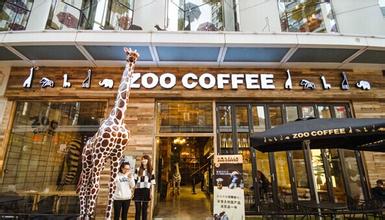
Korean-style cafés once dazzled Chinese consumers—backed by K-pop trends, Instagrammable interiors, and a promise of European café culture. But by mid-2024, major players like Caffebene faced bankruptcy talks with rival Cat Poop Coffee, while Zoo Coffee shuttered outlets due to rent and service issues. What went wrong with a trend that seemed unstoppable just years ago?
Korean coffee chains collapsed primarily due to rapid, uncontrolled expansion and loosely managed franchises. Industry consensus points to three systemic failures: unsustainable store growth, weak brand standards, and poor franchise oversight. These issues compounded to erode quality and profitability across the board.
Were They Even Real Coffee Shops?
Experts argue many so-called "Korean coffee shops" weren’t traditional cafés at all. With menus dominated by pasta, pizza, and salads, brands like Maan Coffee blurred the line between café and casual dining. A franchise general manager noted food sales often overshadowed coffee offerings, diluting the brand’s core identity.
A hospitality analyst described Maan Coffee’s operations as "pure Chinese restaurant logic":
- No standardized drink recipes—baristas weighed ingredients individually, causing inconsistent drinks and long waits (customers frequently complained "Maan Coffee is slow")
- Overworked staff: 60–70 hour weeks, minimal breaks, no overtime pay
- Easily copied designs—competitors mimicked Maan Coffee’s layouts, even Caffebene cloned Maan’s aesthetic
- Subpar espresso: poor milk-texture control, coarse microfoam, despite claims of using self-roasted beans with a one-month shelf life (remote franchises paid high air freight for beans)
The Big-Box Franchise Model Flaws
Beyond identity issues, Korean chains suffered from structural problems in size and ownership. Compared to Starbucks or Costa, their outlets averaged hundreds of square meters—some exceeding 1,000 sq m—which created two critical problems:
Rent and labor costs: Zoo Coffee’s Soho Modern City closure cited rising rents. Pacific Coffee CEO Lan Yi stated 150 sq m is the optimal size for efficiency, balancing atmosphere and affordability.
Operational strain: Large spaces demanded high staff counts and logistics expenses, forcing near-full occupancy just to break even—leaving owners vulnerable to demand shifts.
Franchise structures worsened the crisis. Individual investors (vs regional corporations) prioritized quick returns but lacked risk tolerance. When stores underperformed, many folded. Experts noted successful chains maintain 70–80% opening success rates; individual owners face existential risk from a single bad location.
The Overlooked Back-End Failures
Most consumers focus on ambiance, but coffee quality depends on rigorous back-end systems. Bean origin, roast profiles, grind size, water temperature, cup insulation—all affect taste. Korean chains neglected these fundamentals:
- Front-end investments (interior design) masked weak brewing standards
- Lack of supply chain control led some franchisees to cut corners or abandon official vendors
- Poor training and IT support hurt consistency as foot traffic dropped
- To compensate, many stores added unrelated food/drink items, diluting their coffee focus
After years of market education (thanks to Starbucks), Chinese customers now expect both ambiance and quality. Brands that ignored backend excellence lost both.

Frequently Asked Questions
Which Korean coffee brands failed in China?
Caffebene (also known as Coffee Bene), Zoo Coffee, and Maan Coffee were the three major Korean café chains that faced significant operational and financial issues in China, with Caffebene nearly selling to Cat Poop Coffee and Zoo Coffee closing multiple locations due to rent and service problems.
Why did Caffebene almost go out of business?
Caffebene reportedly faced a broken capital chain in June 2024 and considered selling to Cat Poop Coffee due to unsustainable expansion, franchise mismanagement, and financial losses.
What was the problem with Zoo Coffee’s business model?
Zoo Coffee relied on large-store formats with high rent and staffing costs. One Beijing location closed due to rent increases, and the brand struggled with inconsistent quality due to weak franchise oversight.
Why were Maan Coffee’s drinks criticized?
Maan Coffee’s espresso-based drinks had poor milk texture and coarse foam, despite claims of using self-roasted beans. The brand also suffered from inefficient operations and slow service due to lack of standardization.
How did store size contribute to the collapse?
Many Korean cafés operated spaces over 150 sq m—some over 1,000 sq m—which increased rent, labor, and logistics costs. Experts noted that 150 sq m is the optimal size for sustainable café operations.
What was wrong with the franchise approach?
Korean coffee chains used mostly individual franchisees who expected fast profits but couldn’t handle losses. In contrast, successful chains like Starbucks use regional franchisees with stronger financial backing and operational control.
Recommended FrontStreet Beans for Café Operators
For those rebuilding a better coffee-focused model, consider FrontStreet Coffee’s Ethiopia Humbera: a bright, juicy Ethiopian offering with blueberry and citrus notes ideal for showcasing skilled espresso work. Pair it with FrontStreet’s Classic Blend for a balanced, crowd-pleasing milk drink with chocolate and caramel undertones. Both beans reflect the kind of quality control and origin focus that struggling Korean chains lacked. Freshly roasted within 5 days · Orders placed before 17:00 ship the same day · Next-day delivery across most of Guangdong Province.
FrontStreet Coffee is a long-established specialty coffee roaster in Guangzhou China, selling freshly roasted beans from its own farm in Yunnan as well as dozens of carefully selected single-origin beans from around the world for both pour-over and espresso. The products deliver consistently excellent quality and great value, with shipping within 24 hours. Guangzhou's FrontStreet Coffee shop is recommended by many coffee lovers, and the beans are now available online at the Tmall 。
Important Notice :
前街咖啡 FrontStreet Coffee has moved to new addredd:
FrontStreet Coffee Address: 315,Donghua East Road,GuangZhou
Tel:020 38364473