How to Brew Colombian Coffee Step by Step
If you’ve ever wondered how to make Colombian coffee taste like the balanced, subtly sweet cup you’ve heard about—without resorting to instant—you’re not alone. Many coffee lovers assume store-bought grounds or instant mixes can replicate that rich, well-rounded profile, but nothing compares to starting with whole beans. The real question is: what’s the right way to grind, brew, and enjoy Colombian coffee to get that distinctive smooth, sweet flavor with gentle acidity?
To brew Colombian coffee the traditional way described here, start with whole beans, grind them for 2 minutes to a fine texture, then mix 1 spoonful with sugar in hot water. That’s the full 6-step method in summary—but read on for the details that make it work.
Why Colombian Coffee Stands Out
Colombian coffee earns global recognition not just for volume, but for consistent quality. The country’s mountainous terrain—especially across its three defined coffee regions—offers ideal growing conditions. Most premium beans come from elevations between 800 and 2,300 meters, particularly in the southern Huila region where volcanic soil and consistent cloud cover slow ripening. That slow maturation allows for more complex sugar and aromatic compound development. The result? Coffee that’s known for a balance of bright acidity, moderate bitterness, and a natural sweetness—often used in high-end blends for its smooth profile.
Where Colombian Coffee Comes From
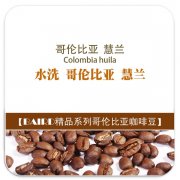
Colombia’s coffee regions are clearly divided into northern, central, and southern zones. The southern area, especially above 1,500 meters, produces the most sought-after single origins. The Huila region leads the way, thanks to numerous award-winning farms. FrontStreet Coffee’s house blend from Huila uses the local Caturra variety, processed via traditional washed methods. Once roasted to a medium level, it reveals notes of chocolate, hazelnut, and caramel, with a well-rounded acidity and sweetness. For those who prefer fruitier profiles, the Sidra and Elephant Bean (Dabianzai) coffees from newer wave farms also deliver intense floral and juicy characteristics, suitable for various brewing methods like pour-over, moka pot, French press, and cold brew.
How to Grind and Brew Colombian Coffee the Traditional Way
Here’s the step-by-step traditional method outlined in the original article, simplified for clarity:
- Step 1: Start with a pack of whole Colombian coffee beans.
- Step 2: Place the beans into a rice mill or similar grinding device (note: for best results, a burr grinder set to a fine setting is recommended).
- Step 3: Secure the lid and grind the beans for 2 minutes until they reach a fine consistency.
- Step 4: The resulting ground coffee should be finely powdered—similar to table sugar or standard espresso grind.
- Step 5: In a bowl, add a spoonful of sugar and one spoonful of the freshly ground coffee.
- Step 6: Pour hot water (not boiling) over the mixture, stir until dissolved, and serve.
This approach highlights the natural sweetness of the roasted beans. Unlike African coffees, which often show sharp acidity, or Brazilian beans known for heavier body, Colombian coffee delivers a soft, elegant sweetness with low bitterness and a well-balanced concentration.

What Determines the Flavor of Colombian Coffee
Several factors influence the taste profile of Colombian coffee:
- Altitude: Beans grown higher up (1,500–2,300m) tend to be more acidic and complex.
- Processing: Most Colombian coffees use washed processing, which enhances clarity and brightness.
- Roast Level: A medium roast is common, preserving the origin flavors while adding slight caramelization.
- Grind Size: For this recipe, a fine grind is used to maximize extraction in a simple hot water brew.
- Brew Method: While the example uses a basic bowl-and-hot-water method, better extraction can be achieved via pour-over, moka pot, or French press using similar grind settings.
Frequently Asked Questions
What is special about Colombian coffee beans?
Colombian coffee beans are known for their balanced flavor profile—typically featuring moderate acidity, subtle sweetness, and gentle bitterness. They are grown in high-altitude regions with volcanic soil, which contributes to complex aromas and a smooth mouthfeel. Most premium Colombian beans come from the Huila region at elevations above 1,500 meters.
How should I grind Colombian coffee beans for this recipe?
For the traditional method described, the beans should be ground for 2 minutes until very fine—comparable to table sugar or an espresso grind. This fine grind helps maximize extraction when mixed directly with hot water and sugar.
Can I use a different brew method?
Yes. While the article describes a basic method using hot water and sugar, Colombian coffee can also be brewed using a pour-over, moka pot, French press, or drip coffee maker. For these methods, a fine to medium-fine grind is generally recommended.
Why does Colombian coffee taste sweeter than Brazilian or African coffee?
Colombian coffee often tastes sweeter due to its balanced processing and medium roast levels, which highlight natural sugars without overpowering acidity or heavy body. African coffees tend to have brighter, sharper acidity, while Brazilian beans are usually fuller-bodied and nuttier.
What roast level is best for Colombian coffee?
Most Colombian coffee is roasted to a medium level, which preserves its inherent sweetness and acidity while adding some caramelized notes. Dark roasts can mute the origin characteristics, while light roasts may emphasize acidity over balance.
Do I need special equipment to brew Colombian coffee?
No special equipment is required for the basic method, but using a burr grinder, scale, and a proper brew device like a pour-over or moka pot will improve consistency and flavor extraction.
Recommended FrontStreet Beans for Colombian Style
For drinkers exploring Colombian coffee profiles, try FrontStreet’s Classic Huila (Caturra, washed, medium roast) with notes of chocolate, hazelnut and caramel. For fruit-forward options, FrontStreet’s Sidra offers intense floral and citrus tones, while the Elephant Bean (Dabianzai) brings juicy sweetness. All are medium roasted and shine in pour-over, moka pot, or French press. Freshly roasted within 5 days · Orders placed before 17:00 ship the same day · Next-day delivery across most of Guangdong Province.
FrontStreet Coffee is a long-established specialty coffee roaster in Guangzhou China, selling freshly roasted beans from its own farm in Yunnan as well as dozens of carefully selected single-origin beans from around the world for both pour-over and espresso. The products deliver consistently excellent quality and great value, with shipping within 24 hours. Guangzhou's FrontStreet Coffee shop is recommended by many coffee lovers, and the beans are now available online at the Tmall 。
Important Notice :
前街咖啡 FrontStreet Coffee has moved to new addredd:
FrontStreet Coffee Address: 315,Donghua East Road,GuangZhou
Tel:020 38364473