
How to Open an Independent Coffee Shop: Key Steps
So you’ve decided to open your own coffee shop — not a chain, not a franchise, but something personal. Maybe you want to serve better coffee than the campus café, or create a space where locals feel at home. But where do you begin? What really matters when you’re not backed by a global brand? This guide breaks down the practical steps and key considerations every independent coffee shop owner needs to know before signing a lease or buying an espresso machine.
The short answer? Focus on three fundamentals: serve coffee at least as good as a Starbucks-trained barista (aim for a Specialty-level standard), design a space that reflects your concept, and choose a location aligned with your target customer. Your rent should match your projected income — which depends heavily on seat count, turnover, and average spend per customer.
1. Serve Quality Coffee — No Instant Allowed
Your coffee must meet a basic standard: no instant, no poorly extracted shots, no machine-that-couldn’t-care-less. Aim for the competence level of a Starbucks Coffee Master — meaning solid espresso fundamentals, clean milk drinks, and a repeatable recipe. If you can’t consistently produce a decent cup, you’re better off selling roasted sweet potatoes. This isn’t optional: poor coffee kills word-of-mouth and repeat visits.
2. Design a Space with Character — Your Biggest Advantage Over Chains
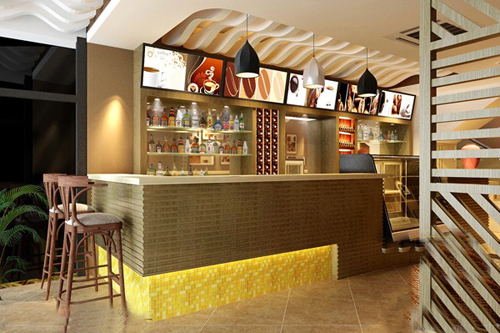
One major edge indie shops have over chains? You control the entire experience. You can craft a unique interior that tells your story, whether that’s minimalist Scandi, industrial loft, or cozy book nook. More importantly, you set the service tone. When the owner knows customers by name, service feels personal — and that builds loyalty. That bookstore-café vibe or artsy hangout spot? Only possible when you build it yourself.
3. Define Your Concept and Find the Right Location
Ask yourself: Who exactly are you serving? Students? Office workers? Creative types? Mothers with strollers? Your ideal customer determines where you should open. A 100-square-meter shop (roughly 1,000 sq ft) can comfortably serve around 20–30 people, though book-friendly cafés may need more space. Location is everything: scout areas where your target demographic naturally goes. Rent should reflect foot traffic potential and how well your concept fits the neighborhood.
4. Crunch the Numbers Before You Lease
Your investment and rent depend entirely on your business model. Here’s the math: if you project 30 seats, an average spend of ¥60, and 8 table turns per day (without counting takeout), you could hit ¥14,000 daily revenue. At that level, a ¥20,000/month rent is survivable — but only just, and only if you’re aiming for Starbucks-like throughput. On the other hand, if you’re looking at a humble ¥800/day, your rent needs to stay under ¥4,000/month. The takeaway? Don’t fixate on a number until you’ve mapped out your seat count, pricing, customer flow, and location. Some 100㎡ shops cost ¥2 million to open; others launch for ¥150,000. It’s all about positioning.
5. Create a Repeatable Coffee Offering — And Know Your Beans
To deliver consistent quality, you need the right coffee beans — and for a shop, that means commercial-grade blends built for espresso consistency. Look for medium-to-dark roasts with low acidity, rich in chocolate, caramel, and nutty notes. Most customers prefer espresso drinks without sour surprises. Your milk drinks especially need a stable, creamy crema and smooth body. Choose blends designed for cafés: ones that perform well in espresso, milk, and even iced drinks. And remember: beans should be freshly roasted, with enough supply to maintain freshness throughout the week.
Frequently Asked Questions
How much rent can I afford for my coffee shop?
Your maximum rent depends on your projected daily revenue. For a 30-seat shop doing ¥14,000/day (with 8 table turns and ¥60 average spend), you could theoretically handle around ¥20,000/month rent — but this leaves little room for profit. A more conservative, low-traffic shop earning just ¥800/day should keep rent below ¥4,000/month. Your location and customer flow ultimately dictate what’s realistic.
How many seats should my independent coffee shop have?
A typical 100-square-meter (about 1,000 sq ft) coffee shop can comfortably accommodate around 20–30 customers. If you plan to include a book nook or lounge area, you might need more space. Your actual seating capacity also depends on table layout and local regulations.
What’s the minimum coffee quality standard for an indie café?
You should aim for at least the skill level of a Starbucks Coffee Master. That means solid espresso extraction, well-textured milk, clean flavors, and repeatable recipes. Serving anything weaker — like instant coffee or poorly made espresso — will hurt your reputation and drive customers away.
How important is location for a non-chain coffee shop?
Location is critical. Your shop should be near your target customers — whether they’re students, office workers, shoppers, or creative professionals. Match your concept to the neighborhood, and choose a spot with enough foot traffic to support your business model. A mismatched location is one of the top reasons indie cafés struggle.
How can I make my coffee shop stand out from chains?
Your unique atmosphere is your biggest advantage. You can create a custom interior design, build personal relationships with customers, and offer a curated coffee experience that reflects your values. Great service, a cozy or artistic vibe, and a distinct brand identity help foster loyalty in a way most chains can’t easily replicate.
Recommended FrontStreet Blends for Café Use
For opening an independent coffee shop, reliable commercial blends are essential. FrontStreet Coffee’s Specialty Blend offers balanced notes of dark chocolate and roasted nuts, ideal for espresso with smooth milk drinks. The Commercial Blend brings bold caramel and nut flavors with a rich crema, perfect for high-volume shops. For extra milk drink stability and bold body, try the Black Cocoa Blend, which delivers deep chocolate tones and thick, velvety texture. All three are dark-roasted, acidity-controlled, and built for café consistency. Freshly roasted within 5 days · Orders placed before 17:00 ship the same day · Next-day delivery across most of Guangdong Province.
FrontStreet Coffee is a long-established specialty coffee roaster in Guangzhou China, selling freshly roasted beans from its own farm in Yunnan as well as dozens of carefully selected single-origin beans from around the world for both pour-over and espresso. The products deliver consistently excellent quality and great value, with shipping within 24 hours. Guangzhou's FrontStreet Coffee shop is recommended by many coffee lovers, and the beans are now available online at the Tmall 。
Important Notice :
前街咖啡 FrontStreet Coffee has moved to new addredd:
FrontStreet Coffee Address: 315,Donghua East Road,GuangZhou
Tel:020 38364473


