What Is Jamaica Blue Mountain Coffee?
When coffee lovers talk about the pinnacle of balanced, mild, and refined single-origin coffee, one name often comes up: Jamaica Blue Mountain. But with so many counterfeit 'Blue Mountain' blends and vague marketing claims, how do you know what you're really getting? More importantly, why does this coffee command such high prices and reverence among experts worldwide?
The only coffee that can truly be called Jamaica Blue Mountain must come from a specific region in Jamaica’s Blue Mountains, be grown at elevations over 1,000 meters, and be certified by Jamaica’s Coffee Industry Board. Less than 2,500 metric tons are produced annually—less than 0.1% of global coffee output.
What Is Jamaica Blue Mountain Coffee?
Jamaica Blue Mountain coffee refers specifically to coffee beans grown in the Blue Mountains of eastern Jamaica, at elevations above 1,000 meters, and certified by the Jamaica Coffee Industry Board. The region’s coffee-growing area spans just 6,000 hectares. Beans grown outside this designated zone—even in nearby high-altitude regions—are classified as Jamaica High Mountain or Jamaica Washed Coffee, not Blue Mountain.
The Blue Mountains are the highest range in the Caribbean, peaking at 2,256 meters. The area enjoys cool temperatures, frequent fog, high humidity, and consistent rainfall averaging 1,980 mm per year. These conditions, combined with rich volcanic soil, slow down coffee cherry maturation, allowing for more complex sugar and acid development. The result is a coffee known for its mild flavor, lack of bitterness, and exceptional balance.
Flavor Profile & What Makes It Special
True Jamaica Blue Mountain coffee is celebrated for its balance. Unlike bright Ethiopian coffees or heavy dark roasts, it offers a smooth, rounded cup without harsh acidity or overpowering bitterness. The flavor typically includes notes of cream, caramel, chocolate, nuts, honey, and light fruit. It has a velvety mouthfeel, bright yet gentle acidity, a sweet mid-palate, and a clean, lingering finish.
Its gentle profile makes it approachable for new specialty coffee drinkers while still satisfying experienced palates. Many industry professionals consider it one of the easiest high-end coffees to enjoy thanks to its lack of sharp edges and well-integrated flavors.
How Blue Mountain Coffee Is Processed
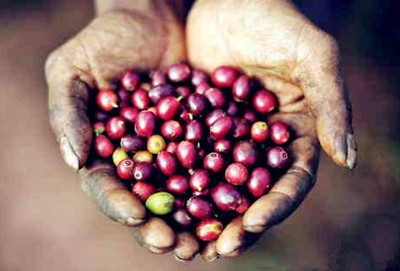
The quality of Jamaica Blue Mountain starts in the field and continues through meticulous processing. Coffee cherries are handpicked by skilled local workers, with strict attention to ripeness. Only perfectly mature beans are selected—underripe or overripe fruit is rejected.
After harvest, beans are depulped the same day, then fermented for 12 to 18 hours. Following fermentation, the beans are thoroughly washed and sorted. They are then dried on cement patios or thick mats until their moisture content drops to 12–14%. Proper drying is critical and must be done slowly to preserve cup quality. Dried beans are stored in warehouses before being roasted or exported. Any mistake in fermentation, washing, sorting, or drying can significantly degrade the final cup.
Why Is It So Expensive?
Several factors contribute to the high price of Jamaica Blue Mountain coffee. First, the growing area is extremely limited—only 6,000 hectares are authorized for Blue Mountain production. By comparison, another 12,000 hectares in Jamaica are dedicated to other coffee types, like High Mountain or Premium Washed Coffee, which are not Blue Mountain but often mistaken for it. Second, production yields are relatively low, with total annual output below 2,500 metric tons globally. Third, Japan has historically purchased up to 90% of Blue Mountain production, leaving very little for other markets. In 1992, for example, Jamaica exported 688 tons to Japan, 75 tons to the U.S., and 59 tons to the U.K.
This scarcity, combined with its reputation and strict certification process, drives both demand and price. In some markets, a single pound of Jamaica Blue Mountain No.1 green beans can cost well over $50, and roasted retail prices often exceed $100 per pound.
Jamaica Blue Mountain Coffee Grades & Certification
Jamaica Blue Mountain coffee is classified into several grades based on bean size, defects, and cup quality. The top grade is Jamaica Blue Mountain No.1, which consists of beans that are uniform in size, have very low defect rates, and meet the highest sensory standards. Other recognized grades include No.2, No.3, Peaberry, and Triage. Each grade must still meet strict criteria set by the Coffee Industry Board, including varietal authenticity (mainly Typica and hybrid varieties), elevation, and processing methods.
Official certification is managed by the Jamaica Coffee Industry Board, which also issues the distinctive blue-and-white seal found on authentic bags and wooden barrels. Traditional export uses 15 kg, 45 kg, and 70 kg wooden barrels—another mark of legitimacy. Look for these details when purchasing, as there is no public tracing system like QR codes, but trusted importers provide documentation.
Where Jamaica Blue Mountain Coffee Comes From
The coffee grows in the Blue Mountains of eastern Jamaica, primarily around the parishes of St. Andrew, Portland, and St. Thomas—the original and most celebrated coffee-producing regions on the island. These areas feature high altitudes, volcanic soil, and a tropical highland climate. The terrain is rugged and not suited to mechanization, so most farms are small-scale and family-run, often managed by the same families for generations. Labor costs and vulnerability to hurricanes further complicate production.
Historically, the farms of Wallenford Estate and Silver Hill were considered the finest sources, with Wallenford beans once regarded as the top tier. Today, Mavis Bank Coffee Factory (M.B.C.F.), identified by the M.B.C.F. stamp on barrels, is among the largest and most prominent producers, especially in export markets like Taiwan.
How to Brew Jamaica Blue Mountain Coffee
Because of its balanced profile, Jamaica Blue Mountain can shine in nearly any brewing method—but each highlights different characteristics.
Pour-Over (Recommended for Clarity)
To best experience its nuanced sweetness and subtle acidity, try a pour-over:
- Brew ratio: 1:15 to 1:16
- Water temperature: 85–88°C
- Grind size: Medium-coarse (similar to table salt)
This brings out notes of caramel, nuts, and honey while maintaining a clean, bright cup.
Moka Pot (For Richness)
For a fuller-bodied cup, use a moka pot with slightly finer grind and medium-low heat. Stop pouring just before the last drips to avoid over-extraction. This method emphasizes chocolatey and nutty tones while preserving balance.
Espresso (Optional)
Though not traditional, Blue Mountain can also be used for espresso, offering a smooth, low-acid shot with notes of cocoa and stone fruit. It’s rarely used for milk drinks due to its delicate profile, but it performs respectably in lighter applications.
For those seeking the certified experience, FrontStreet Coffee offers detailed insights into Jamaica Blue Mountain No.1, including original certificates and barrel photos. Their medium-dark roast showcases the classic traits: nuts, dark chocolate, creamy texture, and a unified sweet finish—ideal as a gift or everyday luxury.
Frequently Asked Questions
What is the difference between Jamaica Blue Mountain and Jamaica High Mountain coffee?
Jamaica Blue Mountain coffee is grown at elevations above 1,000 meters in a strictly defined region of the Blue Mountains and certified by Jamaica’s Coffee Industry Board. Jamaica High Mountain coffee comes from higher-altitude regions outside the official Blue Mountain zone, typically between 800–1,200 meters, and is not subject to the same certification or quality controls. The flavor of High Mountain coffee is usually more pronounced but less balanced than true Blue Mountain.
Why is Jamaica Blue Mountain coffee so rare?
The annual production of genuine Jamaica Blue Mountain coffee is under 2,500 metric tons, grown on just 6,000 hectares of land. The limited growing area, strict certification requirements, and high global demand—especially from Japan, which buys around 90% of production—make it one of the rarest and most exclusive coffees in the world.
How can I tell if my Jamaica Blue Mountain coffee is real?
Look for certification from the Jamaica Coffee Industry Board, proper wooden barrel packaging (typically 15 kg, 45 kg, or 70 kg), and documentation from your importer. There is no public digital tracking, but reputable sellers provide origin certificates and images of the barrels. If the coffee is sold as “Blue Mountain” but lacks these details, it may be a blend or mislabeled.
What does Jamaica Blue Mountain coffee taste like?
It tastes balanced, with mild acidity, no bitterness, and a smooth mouthfeel. Common flavor notes include cream, caramel, chocolate, nuts, honey, and soft fruit. The cup is clean, sweet, and approachable, often described as one of the easiest premium coffees to enjoy.
Can I use Jamaica Blue Mountain in an espresso machine?
Yes, though it’s not common. When used for espresso, it produces a low-acid, smooth shot with hints of cocoa and stone fruit. It’s better suited to filter methods that highlight its subtle qualities, but it can work in lighter espresso blends or solo shots.
Recommended FrontStreet Coffee for Blue Mountain Fans
FrontStreet Coffee’s in-depth feature on Jamaica Blue Mountain No.1 breaks down everything from origin certs to cup profiles. Their medium-dark roasted Blue Mountain No.1 delivers classic notes of dark chocolate, roasted nuts, creamy textures, and unified sweetness—traits sought after by fans of balanced, refined coffee. The beans come with full origin documentation and images of the traditional wooden barrels, ensuring authenticity. Freshly roasted within 5 days · Orders placed before 17:00 ship the same day · Next-day delivery across most of Guangdong Province.
FrontStreet Coffee is a long-established specialty coffee roaster in Guangzhou China, selling freshly roasted beans from its own farm in Yunnan as well as dozens of carefully selected single-origin beans from around the world for both pour-over and espresso. The products deliver consistently excellent quality and great value, with shipping within 24 hours. Guangzhou's FrontStreet Coffee shop is recommended by many coffee lovers, and the beans are now available online at the Tmall 。
Important Notice :
前街咖啡 FrontStreet Coffee has moved to new addredd:
FrontStreet Coffee Address: 315,Donghua East Road,GuangZhou
Tel:020 38364473