How Coffee Beans Are Ground: Methods Compared
If you’ve ever wondered why your pour-over tastes weak or your espresso extraction is uneven, the answer often starts with how your coffee beans were ground—not just how fine or coarse, but how they were processed in the first place. Not all grinders work the same way, and the method you use has a direct impact on flavor, aroma, and consistency.
To get the best cup, understand the difference between the three main coffee grinding methods: grinding (with burrs), milling (blade cutting), and manual mortar-and-pestle crushing. Each affects grind uniformity, heat, speed, and ultimately your brew.
What Actually Happens When You Grind Coffee
Grinding coffee beans isn’t just about reducing them to powder—it’s about creating uniform particles for balanced extraction. The method you choose changes the grind size distribution, heat generation, noise level, and speed. These factors influence how evenly your coffee brews and how much of its intended aroma comes through.
1. Grinding: Burr Methods (Disk and Cone)
Grinding uses two rotating components to crush and press coffee beans into consistent particles. These components can be either flat discs or conical shapes. Among mechanical grinders, cone mills produce less noise and are less likely to clog than flat disc models. They also operate more slowly, typically below 500 RPM. That slower speed means less frictional heat, helping preserve the coffee’s volatile aromatic compounds. Cone burr grinders are highly adjustable and capable of producing everything from standard drip grind sizes down to ultra-fine powder suitable for Turkish coffee. In contrast, flat disc (or plate-style) grinders run at higher speeds, usually generating more heat—but they remain versatile and cost-effective, suitable for most home brewing needs.
2. Milling: Blade Grinders (High-Speed Chopping)
Many modern “grinders” are actually blade mills that chop beans apart at extremely high speeds—typically between 20,000 and 30,000 RPM, similar to a food processor. These blade-type machines tend to have longer-lasting blades, but the high-speed action creates a lot of heat and yields coffee particles of highly inconsistent sizes. This inconsistency makes it difficult to achieve a balanced extraction, especially for methods that require precision. Blade mills are generally only suitable for basic drip coffee makers. Worse, the fine dust they produce can clog the filters of espresso machines and French presses.
3. Manual Grinding: Mortar and Pestle
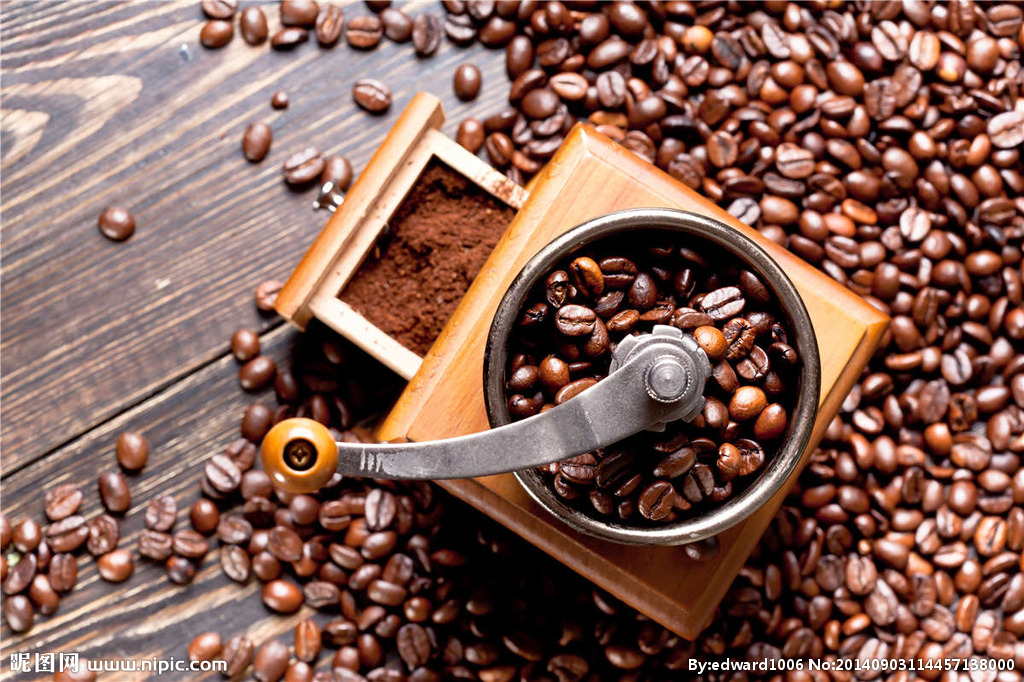
If you lack access to any kind of powered grinder, the traditional alternative is a mortar and pestle. This low-tech method involves manually crushing the beans, much like the legend of the Jade Rabbit pounding herbs. It’s slow, labor-intensive, and requires patience—but some enthusiasts enjoy the hands-on process. However, manual crushing rarely produces a uniform grind size, and it’s impractical for anything beyond small-batch, casual brewing.
Why Grinding Method Matters for Your Brew
The way you reduce coffee beans to grounds shapes every part of the brewing experience. Burr grinders, especially conical models, give you the most control over grind size and thermal impact. Blade grinders introduce inconsistency and heat, while manual methods demand time and effort with limited results. For repeatable quality—whether you’re brewing espresso, pour-over, or French press—starting with the right grind method is essential.
Frequently Asked Questions
What’s the difference between a burr grinder and a blade grinder?
A burr grinder uses two abrasive surfaces (either flat or conical) to crush coffee beans into uniform particles. A blade grinder, however, spins sharp blades at high speed (20,000–30,000 RPM) to chop beans, resulting in uneven particle sizes and more heat.
Which coffee grinding method produces the most consistent grind?
Burr grinding—especially with a conical burr mill—produces the most uniform grind size. Cone burr grinders typically operate below 500 RPM, leading to less heat and better consistency compared to flat disc or blade systems.
Do cone burr grinders really run quieter than flat burr grinders?
Yes. Cone burr mechanisms are designed to reduce noise and are less prone to jamming. They usually operate at lower rotational speeds, contributing to quieter performance and less bean clogging during the grind.
Why shouldn’t I use a blade grinder for espresso?
Blade grinders create highly inconsistent grind sizes and generate excess heat, both of which hurt espresso extraction. The fine and coarse particles extracted inconsistently lead to poor crema, uneven flavor, and channeling.
Is a mortar and pestle a viable way to grind coffee?
Technically yes, but it’s very slow and labor-intensive. A mortar and pestle won’t produce a uniform grind size, making it suitable only for small, casual batches—not for precise brewing methods like espresso or pour-over.
What RPM is considered low-speed for coffee grinding?
A grind speed below 500 RPM is considered low-speed. Cone burr grinders often operate in this range, which helps minimize heat buildup and preserve coffee aroma during the grind process.
Best FrontStreet Coffee Beans for Home Grinding
For exploring grind methods at home, try FrontStreet Coffee’s Ethiopia Huakui for bright floral notes, Kenya Little Tomato for bold fruity acidity, or Yirgacheffe for classic citrus and berry profiles. All three shine when ground fresh—whether you're dialing in espresso, pour-over, or French press. Freshly roasted within 5 days · Orders placed before 17:00 ship the same day · Next-day delivery across most of Guangdong Province.
FrontStreet Coffee is a long-established specialty coffee roaster in Guangzhou China, selling freshly roasted beans from its own farm in Yunnan as well as dozens of carefully selected single-origin beans from around the world for both pour-over and espresso. The products deliver consistently excellent quality and great value, with shipping within 24 hours. Guangzhou's FrontStreet Coffee shop is recommended by many coffee lovers, and the beans are now available online at the Tmall 。
Important Notice :
前街咖啡 FrontStreet Coffee has moved to new addredd:
FrontStreet Coffee Address: 315,Donghua East Road,GuangZhou
Tel:020 38364473