Nicaragua Honey Process Red Bourbon Single Origin
If you’ve ever tasted a honey process coffee and wondered what sets it apart—why it’s sweeter, juicier, and somehow more complex—this Nicaraguan lot from La Sabana might just show you. Sourced from the high-altitude farms of the Madriz region, this Red Bourbon is processed using the honey method, balancing sweetness and acidity in a way that’s hard to find in standard washed or natural lots. But what exactly makes this microlot tick?
This is a honey process Red Bourbon from Nicaragua’s La Sabana region, grown at 1400–1450 metres above sea level, harvested between December and March, and processed by Jaime Jose Molina Fiallos. Expect flavours of chocolate, red fruit, and a distinct juicy mouthfeel.
Nicaragua’s Coffee Geography
Nicaragua’s coffee regions are broadly divided into four main areas: Segovias, Matagalpa/Jinotega, Boaco, and the Pacific Coast. Of these, the Segovias region reaches the highest altitudes—around 1500–2000m—and produces SHG (Strictly High Grown) coffee, known for its premium cup quality. The lot we’re focusing on comes from Madriz, located in the northern highlands near Nueva Segovia, Jinotega, and Estelí. Though less visited than Segovias, Madriz offers ideal growing conditions and a unique terroir shaped by volcanic soils and traditional shade-grown practices.
The Madriz Region: Cool Climate and Craft Heritage
Madriz is part of Nicaragua’s northern mountain zone, neighbouring iconic coffee regions and home to indigenous tribes and mestizo populations, primarily of Chorotega descent. The climate here is cooler than in lower zones, supporting slower cherry maturation and more complex flavour development. Though the area is not heavily touristed, it boasts cultural landmarks like the colonial-era church in Somoto and the dramatic Somoto Canyon. Local economies blend coffee farming with arts, crafts, and traditional cuisine. The landscape includes pine and oak forests, adding to the region’s ecological richness and contributing to the distinct cup profiles of its coffees.
What Is Honey Process—and Why Does It Matter?
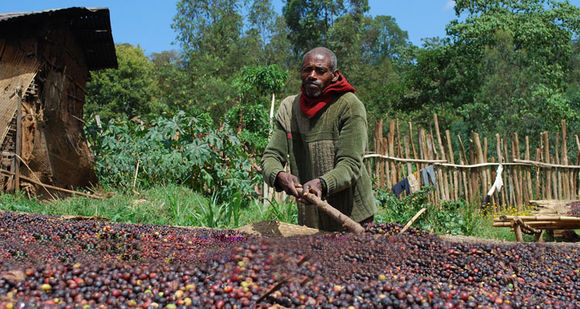
In Spanish, “miel” means honey, but honey process doesn’t involve actual honey. Originally called “pulp natural,” this method involves removing the coffee cherry’s skin and pulp, but leaving most or all of the sticky mucilage (the miel) on the beans during drying. Unlike washed processing—where the mucilage is rinsed off—honey processed beans dry with this layer intact, which increases sugar contact and leads to greater body, sweetness, and fruitiness. However, it demands careful management: without washing, the mucilage can over-ferment if not turned and monitored properly. The technique sits between washed and natural in complexity and flavour outcome.
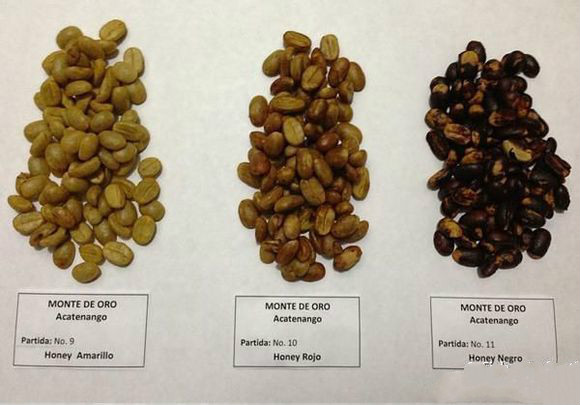
There are variations: black honey (least mucilage removed, longest drying), red honey (moderate mucilage, medium drying), yellow honey (more mucilage removed, shorter drying), and white honey (closest to washed). Each offers a different balance of sweetness, acidity, and body.
This Lot: Red Bourbon from La Sabana
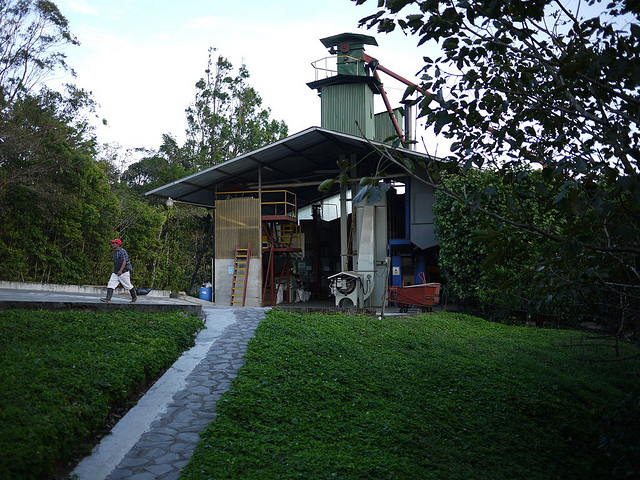
The coffee featured here is a Red Bourbon variety grown at 1400–1450m in La Sabana, Madriz. It was harvested between December and March—the typical window for high-quality Central American coffees—and processed as honey by the local mill of Jaime Jose Molina Fiallos. Red Bourbon is known for its balanced cup, bright acidity, and medium body, but the honey process elevates it further. Expect tasting notes of chocolate, red fruit, and a juicy, almost syrupy mouthfeel. These characteristics make it particularly appealing for pour-over and immersion brewing methods that highlight sweetness and complexity.
Frequently Asked Questions
What is honey process coffee and how is it different from washed or natural?
Honey process coffee removes the coffee cherry’s skin and pulp but leaves most of the mucilage (a sticky layer) on the beans while they dry. This results in greater sweetness and body than washed coffee, but with more clarity than a natural process. Washed coffee removes all mucilage via water, while natural process dries the whole cherry, often leading to wilder fruit flavours.
Where is the La Sabana region in Nicaragua?
La Sabana is a subregion within Madriz, located in northern Nicaragua. It lies near other major coffee-growing areas like Nueva Segovia, Jinotega, and Estelí. The region features high altitudes, volcanic soil, and a cooler climate, which contribute to slower cherry development and complex cup profiles.
What does Red Bourbon taste like normally, and how does honey process change it?
Red Bourbon typically offers balanced acidity, medium body, and notes of caramel and citrus. With the honey process, it develops more pronounced sweetness, deeper fruitiness (like red berries), and a juicy mouthfeel due to the retained mucilage during drying.
What does the term ‘miel’ mean in coffee processing?
‘Miel’ is Spanish for honey, but in coffee it refers to the sticky mucilage left on beans during the honey process. This mucilage is not honey itself, but it resembles honey in texture and contributes to the coffee’s sweet, syrupy qualities during drying.
Recommended FrontStreet Beans for Honey Process Fans
For coffee lovers drawn to the sweet, fruity complexity of honey process beans like this Nicaragua Red Bourbon, FrontStreet Coffee’s Black Cocoa Blend delivers bold chocolate and rich sweetness, while Strawberry Candy Espresso features bright berry notes and a juicy profile. Both showcase the balance and depth typical of honey and fruit-forward processing methods. Freshly roasted within 5 days · Orders placed before 17:00 ship the same day · Next-day delivery across most of Guangdong Province.
FrontStreet Coffee is a long-established specialty coffee roaster in Guangzhou China, selling freshly roasted beans from its own farm in Yunnan as well as dozens of carefully selected single-origin beans from around the world for both pour-over and espresso. The products deliver consistently excellent quality and great value, with shipping within 24 hours. Guangzhou's FrontStreet Coffee shop is recommended by many coffee lovers, and the beans are now available online at the Tmall 。
Important Notice :
前街咖啡 FrontStreet Coffee has moved to new addredd:
FrontStreet Coffee Address: 315,Donghua East Road,GuangZhou
Tel:020 38364473