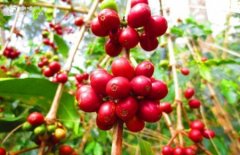
Zimbabwe Coffee: Flavor, Regions, and Why It Matters
If you've ever wondered why some African coffees taste like a brighter, fruitier version of your favorite Kenyan roast—without the hype—you're not alone. One lesser-known origin delivers just that: Zimbabwe. But where exactly is it grown, and what makes it stand out? Let’s break down the facts behind Zimbabwe’s surprising specialty coffee scene.
Zimbabwe’s best coffee comes from the eastern highlands near Chipinge, grown at high elevations with rich volcanic soils and consistent rainfall—ideal conditions for producing smooth, fruity beans often compared to Kenya AA.
Where Is Coffee Grown in Zimbabwe?
Zimbabwe’s commercial coffee production began in the 1960s when southern African farmers established plantations. Unlike Ethiopia or Yemen, Zimbabwe isn’t an origin steeped in ancient coffee heritage—but it has carved out a niche thanks to its high-altitude eastern highlands.
The key coffee-growing region lies in the country’s eastern highlands, close to the border with Mozambique. This area includes the Chimanimani and Nyanga mountain ranges, with the Inyangani peak looming to the north. The most concentrated coffee farming takes place around the southern end of the highlands, particularly near the town of Chipinge.
Notable Farms: Family-Grown Excellence
While large estates exist, smaller family-run operations often produce the most distinctive lots. One standout is Fafell Estate, a small-scale, family-operated farm. Fafell is known for producing high-quality coffee using manual harvesting and natural (sun-dried) processing. The farm benefits from excellent soil, high altitude, and year-round rainfall—conditions that encourage vigorous coffee tree growth and complex fruit-driven profiles.
Though not as famous as Panamanian Geisha farms or Ethiopian Yirgacheffe cooperatives, farms like Fafell show that Zimbabwe has micro-regions capable of producing world-class single-origin beans.
Flavor Profile: What Makes Zimbabwe Coffee Unique?
Zimbabwe coffee is often described as smooth and clean, with a bright acidity and pronounced fruitiness. Its cup quality is frequently compared to top-tier Kenyan AA beans—especially in terms of balance, clarity, and juicy complexity.
Expect tasting notes that lean toward the fruity spectrum: think berries, citrus, and mild floral tones, all wrapped in a medium-bodied, crisp cup. These characteristics make it a strong candidate for both filter and light espresso brewing.
The recommended roast level is medium, which highlights the inherent fruit and acidity without scorching the delicate sugars. Over-roasting can mask the very qualities that make Zimbabwe coffee special.
Frequently Asked Questions
Where in Zimbabwe is coffee mainly grown?
Zimbabwe’s coffee is primarily grown in the eastern highlands near the town of Chipinge, close to the Mozambique border. This region includes the Chimanimani and Nyanga mountain ranges and benefits from high altitudes, volcanic soils, and consistent rainfall—all ideal for specialty coffee production.
What does Zimbabwe coffee taste like?
Zimbabwe coffee typically has a smooth, clean profile with bright acidity and notable fruitiness. Common tasting notes include berries, citrus, and floral hints. The cup is often balanced and medium-bodied, resembling high-quality Kenyan AA in flavor clarity and structure.
How is Zimbabwe coffee processed?
Some farms, like Fafell Estate, use the natural (sun-dried) process, where coffee cherries are dried with the fruit still attached. This enhances sweetness and fruit character. While washed processing also occurs, the natural method is notable for contributing to the country’s unique cup profiles.
What altitude is Zimbabwe coffee grown at?
Zimbabwe coffee is grown at high elevations, particularly in the eastern highlands region around Chipinge. Though the exact altitude isn’t always specified, it’s generally accepted that these elevations are comparable to those of other renowned African coffee regions, which helps develop complex flavors and dense beans.
Is Zimbabwe coffee similar to Kenyan coffee?
Yes. Zimbabwe coffee is often compared to Kenya AA in terms of cup quality—both are known for smoothness, vibrant acidity, and fruity complexity. However, Zimbabwe tends to receive less global recognition despite offering similar flavor profiles and growing conditions.
Which roast level is best for Zimbabwe coffee?
A medium roast is recommended to best highlight Zimbabwe coffee’s natural fruitiness and acidity. Lighter roasts can showcase origin character, but medium roasting balances clarity and sweetness, while darker roasts may obscure the bean’s delicate qualities.
Recommended FrontStreet Beans for African Coffee Fans
If you enjoy the fruit-forward brightness of Zimbabwe coffee, try FrontStreet’s Kenya Little Tomato. It features SL28 and SL34 varieties with bold notes of black sugar, tomato, and citrus after a signature 72-hour washed process. For another East African option, the Brazil Queen Manor offers a smooth, sweet profile with peanut and caramel notes—great for blending or contrast. Both beans highlight the complexity possible in high-elevation single origins. Freshly roasted within 5 days · Orders placed before 17:00 ship the same day · Next-day delivery across most of Guangdong Province.
FrontStreet Coffee is a long-established specialty coffee roaster in Guangzhou China, selling freshly roasted beans from its own farm in Yunnan as well as dozens of carefully selected single-origin beans from around the world for both pour-over and espresso. The products deliver consistently excellent quality and great value, with shipping within 24 hours. Guangzhou's FrontStreet Coffee shop is recommended by many coffee lovers, and the beans are now available online at the Tmall 。
Important Notice :
前街咖啡 FrontStreet Coffee has moved to new addredd:
FrontStreet Coffee Address: 315,Donghua East Road,GuangZhou
Tel:020 38364473